
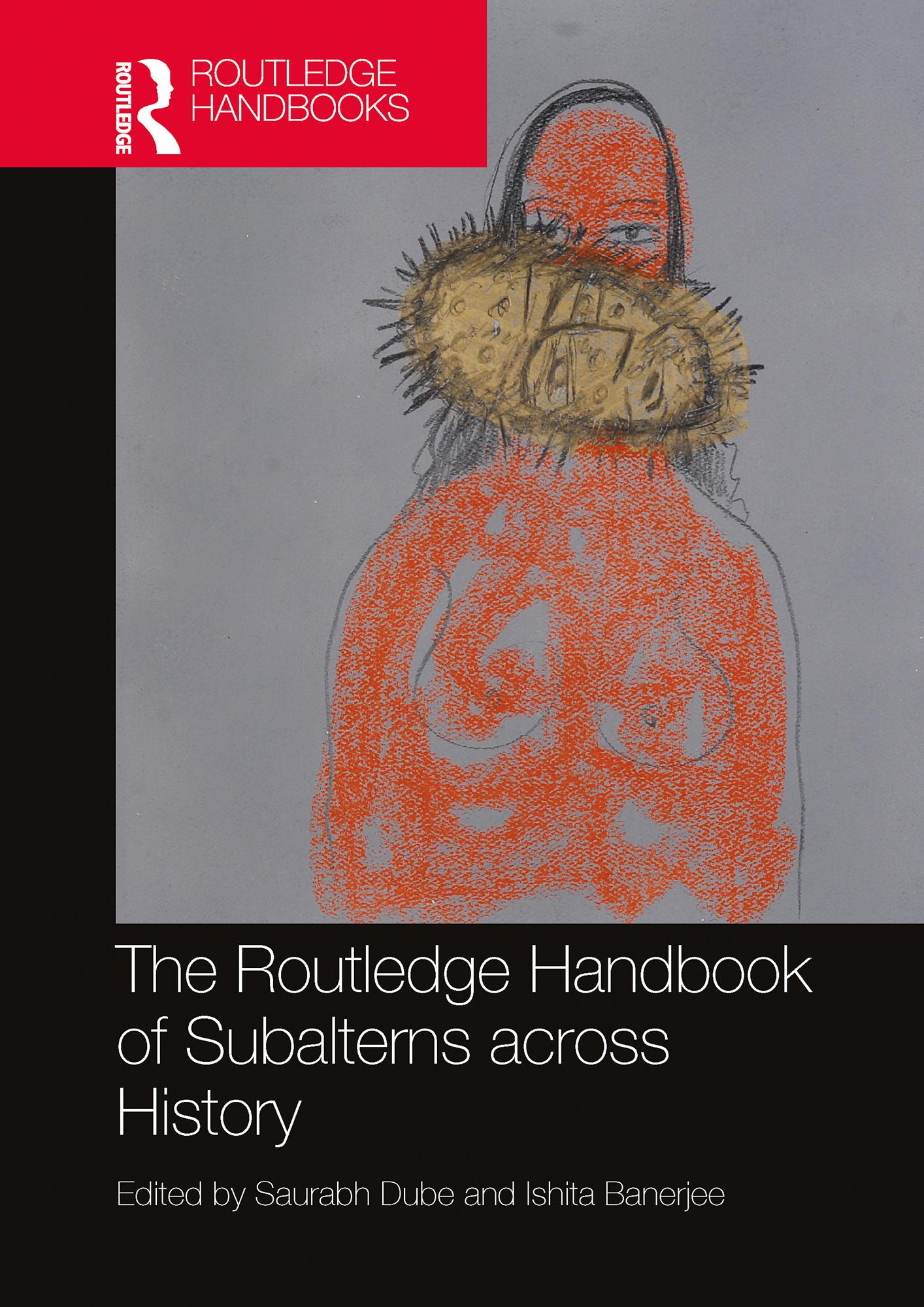
Subaltern Studies has marked both a major departure in South Asian studies and indexed broader shifts in the critical humanities and social sciences. This volume explores what it means today to set to work studies of subaltern subjects in our rapidly mutating social worlds.
This handbook spans diverse historical, ethnographic, and geopolitical spaces, drawing in the Antipodes and the Americas, Diasporas and Oceanic worlds, Africa and the Middle East, apart from Europe and many South Asias – overlapping arenas in which the “subaltern” continues to find distinct yet substantive articulations. It also seeks to meaningfully juxtapose practices and processes of gender and race; indigeneity and indenture; age and sexuality; slavery and apartheid; the Adivasi and the Dalit; settler-colonialisms and nations; nature and environment; caste and tribe; diaspora and blackness; capital and property; science and technology; media and cinema; the body and dance; heteronormativity and queerness; state and governance; and politics and justice. In these ways, the study un-frames disciplinary boundaries and maps emergent terrains, exactly articulating pressing subjects and rethinking distinct subalternities.
This book is aimed at researchers, scholars, and advanced undergraduate and graduate students in the critical human sciences, especially history, anthropology, social theory, and cultural, gender, and literary studies.
Pay easily by card, Klarna, Apple Pay or Google Pay. Not happy? You always have a 14-day money-back guarantee. Read more in our terms. If you have any questions, email us at hello@memmo.org.
Memmo makes studying easier – wherever you are in the world. We bring your course books and smart study tools together in one place: summaries, quizzes, podcasts and flashcards. Plus Ted, your study buddy who answers anything you wonder. Over 50,000 students already study here – built to help you learn faster and stress less.