
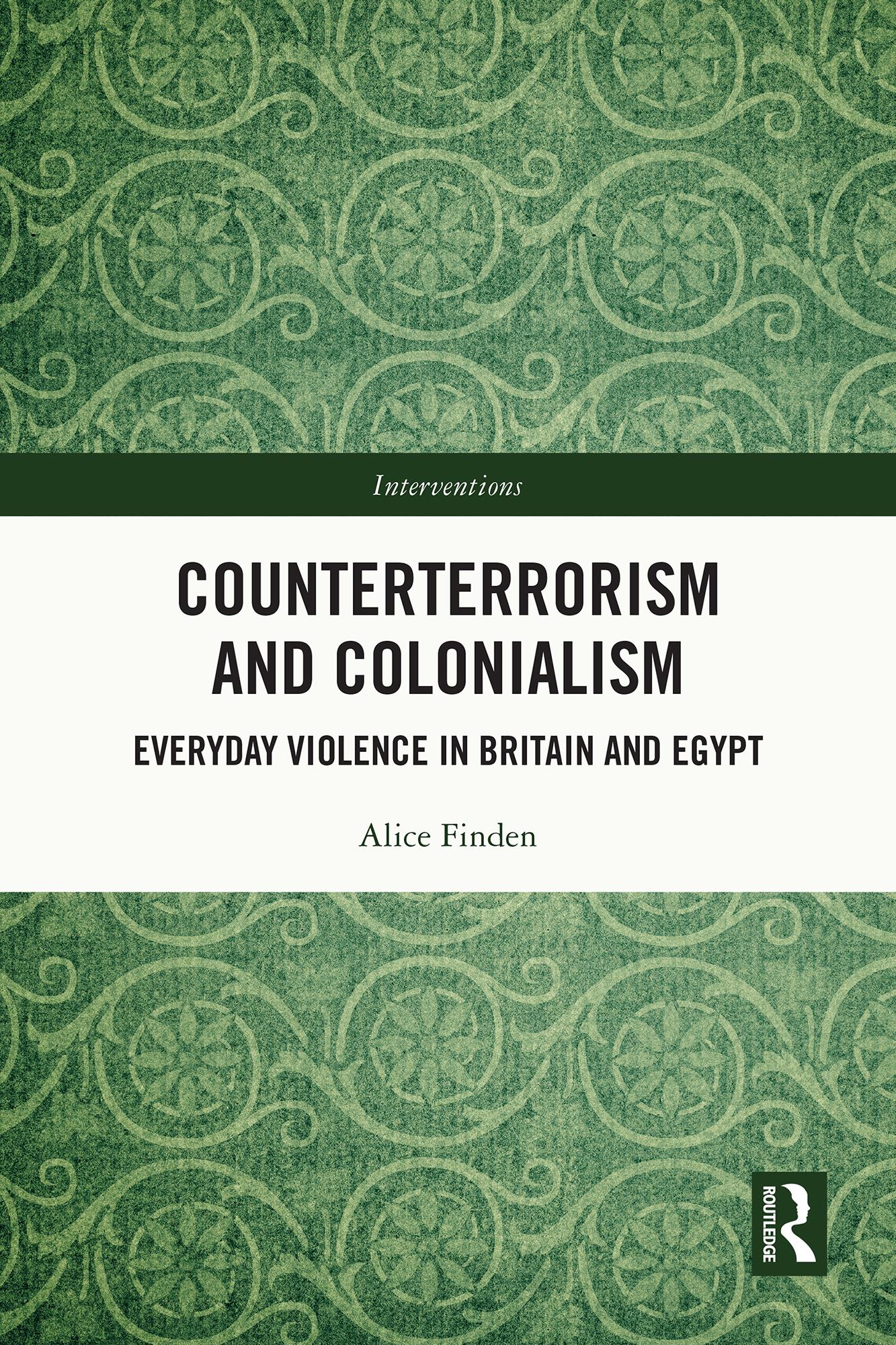
This book uses feminist and postcolonial approaches to archival research and interviews to interrogate the persistence of colonial logics in contemporary counterterrorism practice, exposing how forms of state violence are normalised and legitimised. The book investigates the historical development of preventive tools through the discursive imagery of vulnerability, morality and extremism that characterise contemporary counterterrorism and counter-violent extremism in Britain and Egypt. In so doing the book argues that counterterror tools are based upon a colonial hierarchy of humanity that legitimises more violent treatment for racialised, classed and gendered subjects. This volume will appeal to scholars and students of critical terrorism studies, socio-legal studies and criminology. It will also fit within sociology and critical theory courses on postcolonialism and gender studies as well as courses on colonialism, feminist histories and critical legal history, international politics, international relations, and Middle Eastern politics.
Pay easily by card, Klarna, Apple Pay or Google Pay. Not happy? You always have a 14-day money-back guarantee. Read more in our terms. If you have any questions, email us at hello@memmo.org.
Memmo makes studying easier – wherever you are in the world. We bring your course books and smart study tools together in one place: summaries, quizzes, podcasts and flashcards. Plus Ted, your study buddy who answers anything you wonder. Over 50,000 students already study here – built to help you learn faster and stress less.