
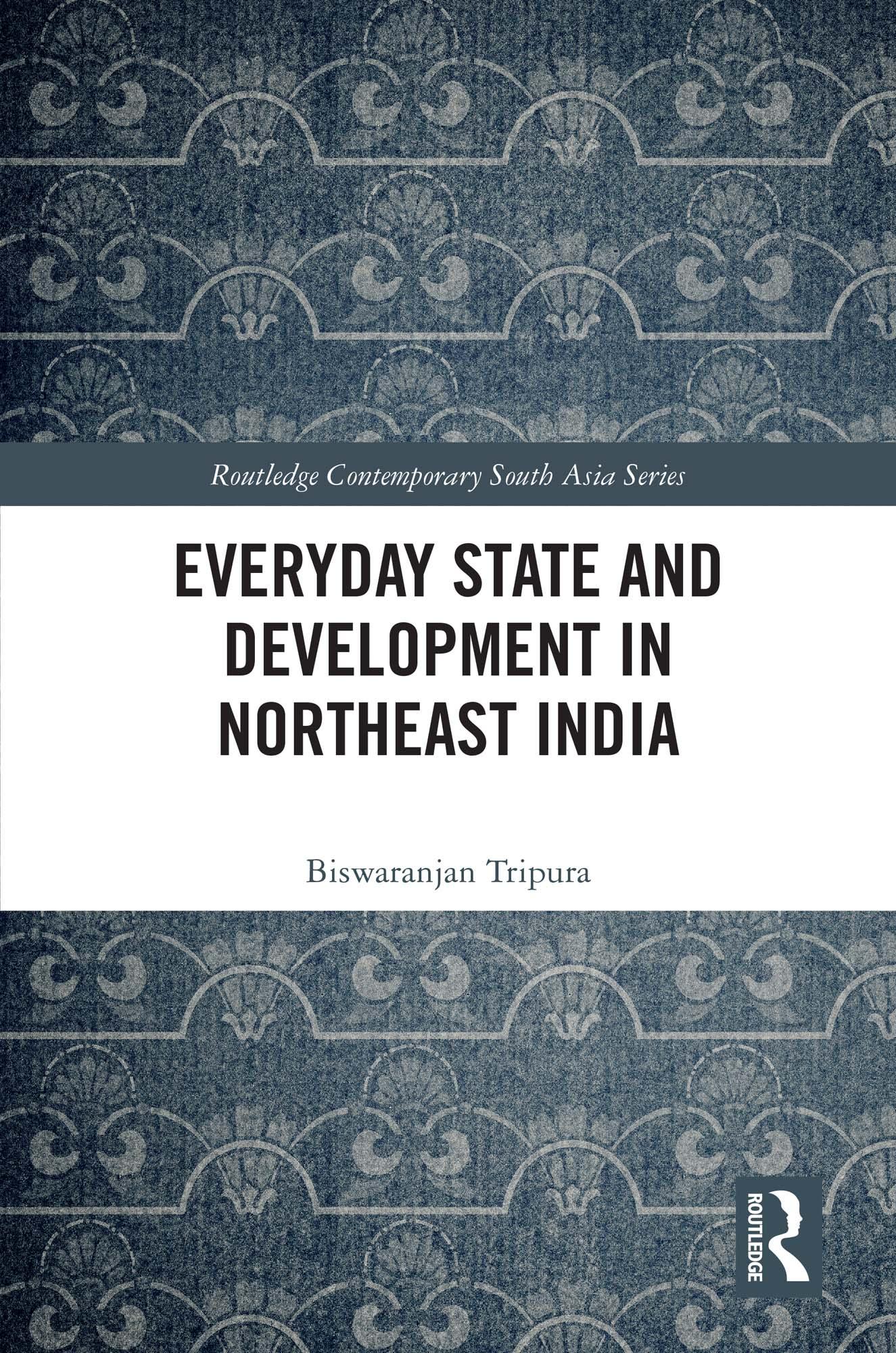
This book examines the everyday state from the perspective of the lived experiences of peripheralized Indigenous tribal peoples in contemporary Tripura, Northeast India.
Building on discussions in the anthropology of the state and development literature and based on rich ethnography data, this book examines the concrete rural Indigenous people’s experiences of the state and how they negotiate those interactions to their advantage and for their own empowerment. The author addresses the following questions: How do members of peripheralized Indigenous tribal communities imagine, perceive, and experience the state in their everyday practices? What are the various strategies and approaches that they use to undermine and negotiate the complex power relations to their advantage in their relations with the state? This book argues that the state is experienced as both hope and despair and broken promises by the peripheralized Indigenous community.
A fresh perspective of studying Indigenous/tribal in Northeast India, this book will be useful for researchers and scholars of the anthropology of state and development, development studies, social work, sociology, political science, tribal/ Adivasi/Indigenous studies, Northeast India studies, and South Asian studies.
Pay easily by card, Klarna, Apple Pay or Google Pay. Not happy? You always have a 14-day money-back guarantee. Read more in our terms. If you have any questions, email us at hello@memmo.org.
Memmo makes studying easier – wherever you are in the world. We bring your course books and smart study tools together in one place: summaries, quizzes, podcasts and flashcards. Plus Ted, your study buddy who answers anything you wonder. Over 50,000 students already study here – built to help you learn faster and stress less.