
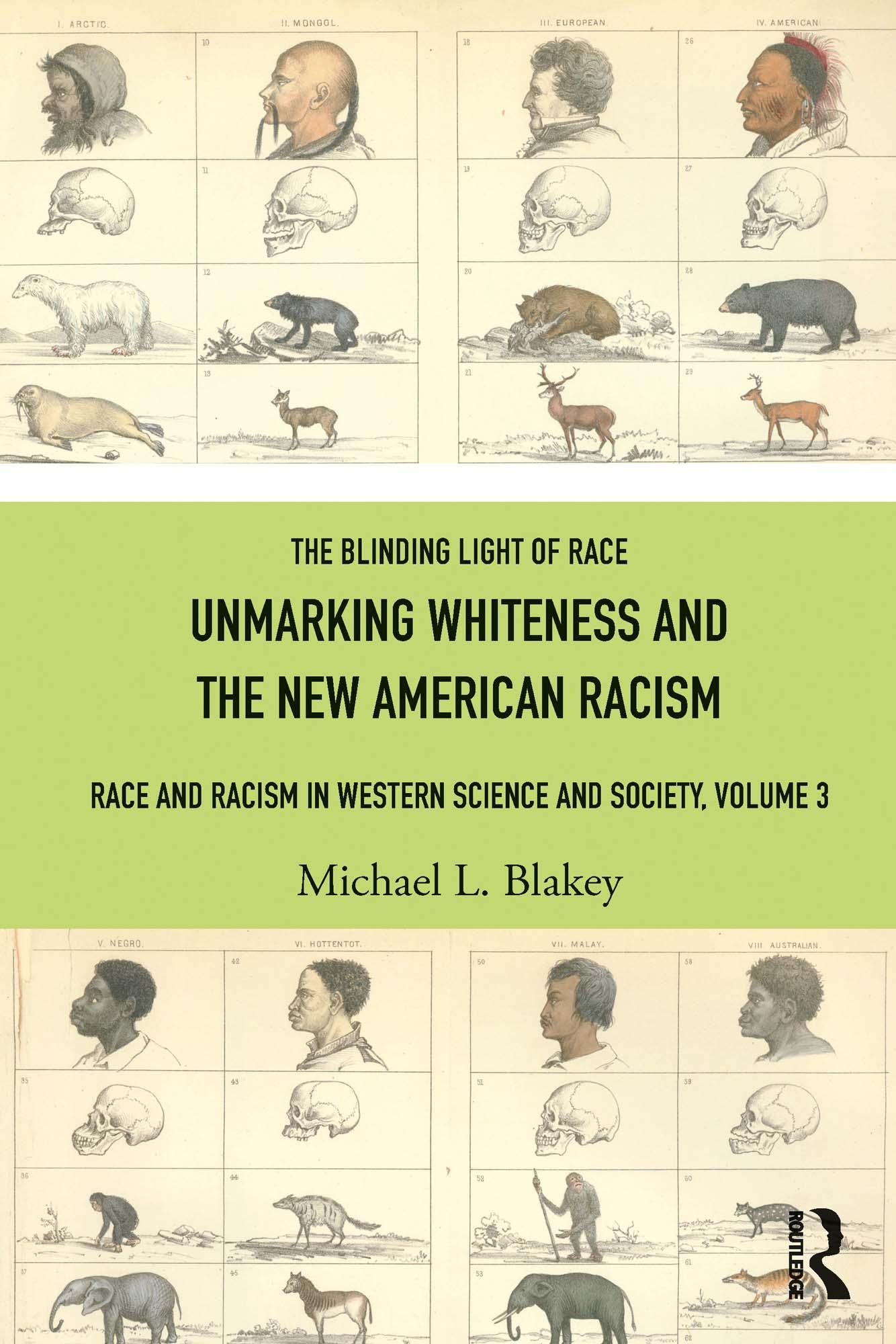
This book criticizes recent performative solutions to racism ("diversity" programs at universities, for example) and White people’s "Fragility" or intolerance of mature criticism. These ideas are locked in an intellectually gated and defensive conversation that effectively denies the ongoing, particular abuses of White supremacy. This book instead proposes expensive educational and economic changes (including reparations) as necessary to achieve real equity. Once imputed by the eugenical effects of World War II and the Civil Rights Movement’s opposition to White racism, the word "race" was largely stricken from scientific writing. But biological determinism remained deeply ensconced in an institution of science that assumed the natural world to be determining, making natural science its most authoritative means. Authoritative heritability estimates and genetic correlations, though spurious, continued to imply that obvious racial and class inequalities (including their dire health effects) were natural and acceptable. White people often attempted to "unmark" their racial identity and assumed that of the uniquely normal people as though an act of anti‑racism (Frankenberg shows). On the contrary, it served to deny their skin color privileges while enjoying benefits of ongoing structural racism as the only real, complete human beings in the room. This book uses an ethnology of anthropology to show White people’s equivocal views of "other’s" equality in their formal analyses, museum collections and exhibitions, and treatment of colleagues in recent times. They remained deliberately deaf to critical African diasporic scholarship. Thus, "Unmarking" gives an anthropological analysis of the social history of White supremacy and shows what it is like for some to confront it. In constructing this historical and sociological counternarrative, the author provides a critical new social history that illuminates a tangled and turgid past for contemporary readers, students, and researchers with vital insights for anthropology, sociology, history, cultural studies, philosophy, and American studies.
Pay easily by card, Klarna, Apple Pay or Google Pay. Not happy? You always have a 14-day money-back guarantee. Read more in our terms. If you have any questions, email us at hello@memmo.org.
Memmo makes studying easier – wherever you are in the world. We bring your course books and smart study tools together in one place: summaries, quizzes, podcasts and flashcards. Plus Ted, your study buddy who answers anything you wonder. Over 50,000 students already study here – built to help you learn faster and stress less.