
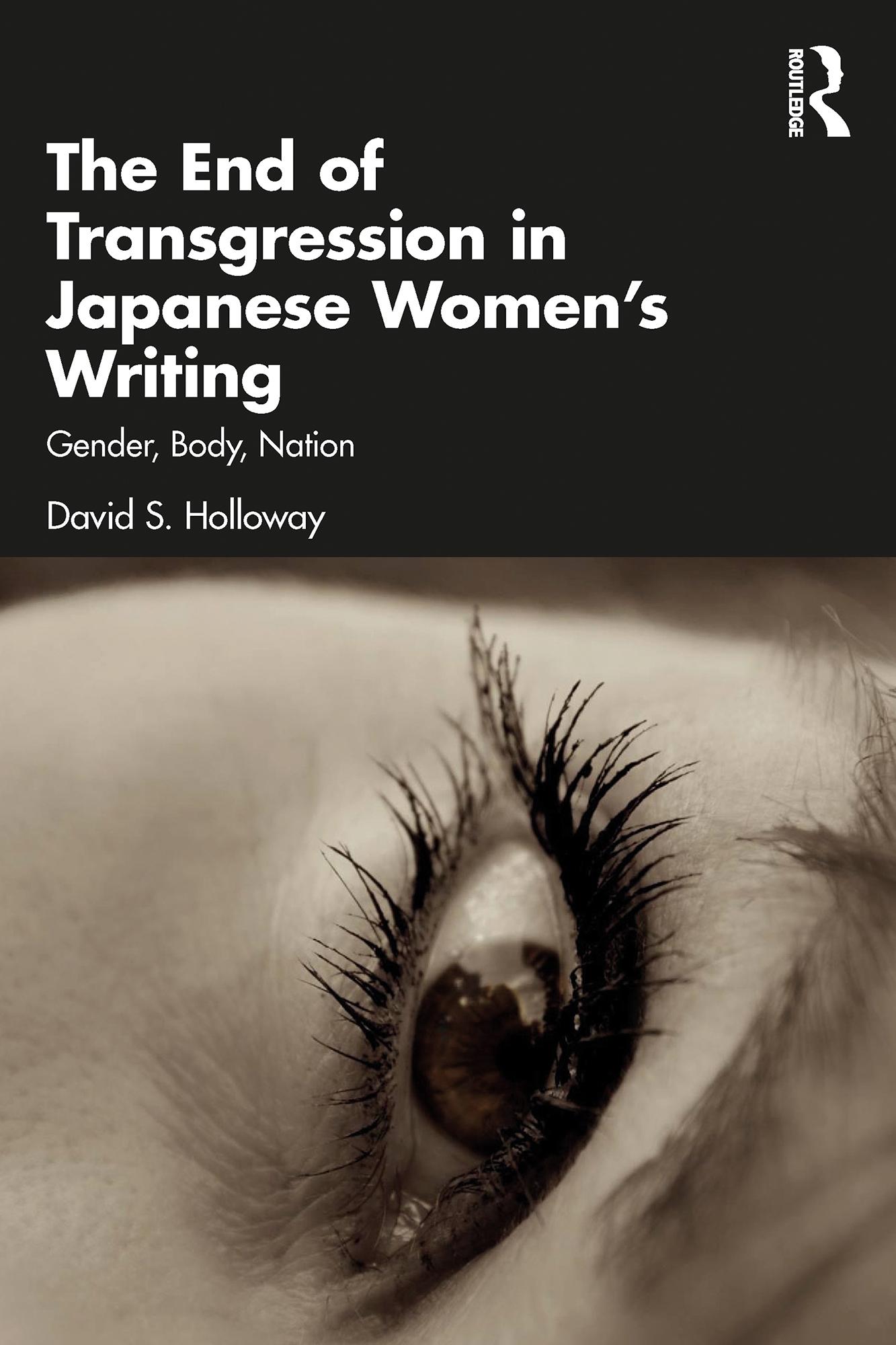
This book argues for a new articulation of the ways in which transgression is theorized in contemporary literature by Japanese women.
Exploring the rhetorical and discursive mechanics of literary “bad girls” from fiction produced during the millennial turn (1990–2010), the book contends that women writers today deploy truant, unruly, restless, and aggressive female protagonists not to challenge the status quo but rather to reaffirm it. While Japanese women’s fiction has long been invested in cultivating an uncomfortable politics of opposition through “unladylike” themes such as sex, sexuality, and violence, the book argues that today authors turn to such acts of defiance to quietly advocate for the primacy of Japanese social order. Showing how transgression has not only lost its political and disruptive valence in contemporary women’s fiction, this book further reveals how discourses of dissent can be retooled to promote a conservative worldview.
A fascinating literary analysis which reads Japanese literature in relation to the receding value of rebellion today, this book will be of huge interest to students and scholars of Japanese literature, gender, and cultural studies.
Pay easily by card, Klarna, Apple Pay or Google Pay. Not happy? You always have a 14-day money-back guarantee. Read more in our terms. If you have any questions, email us at hello@memmo.org.
Memmo makes studying easier – wherever you are in the world. We bring your course books and smart study tools together in one place: summaries, quizzes, podcasts and flashcards. Plus Ted, your study buddy who answers anything you wonder. Over 50,000 students already study here – built to help you learn faster and stress less.