
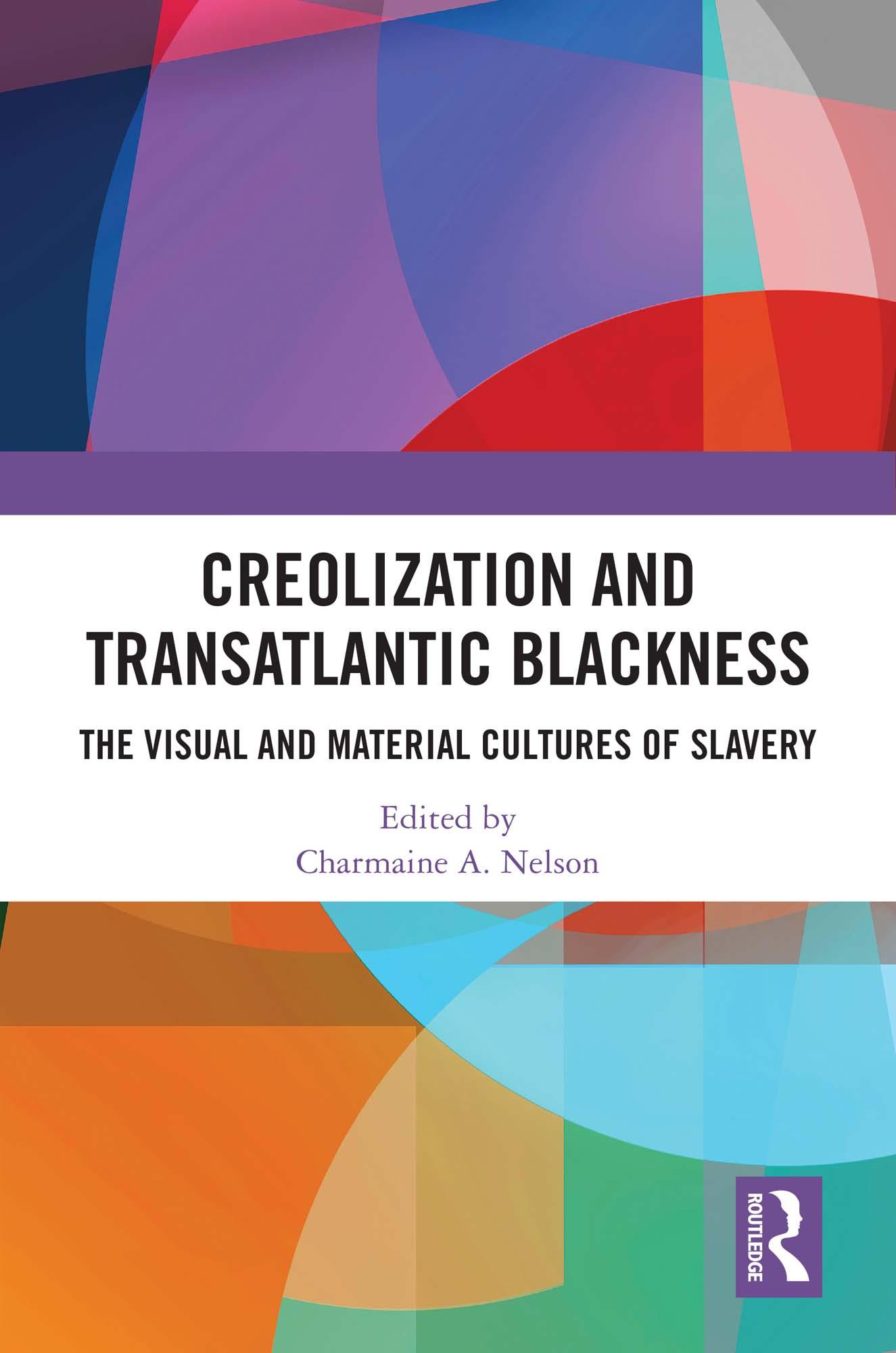
Departing from more conscribed definitions, this book argues for an expansion of the concept of ‘Creolization’ in terms of duration, temporality, population, and importantly, in regional scope, which also impact climate and the practices of slavery that are typically included and excluded from consideration.
Eschewing the normative focus on language and music, the authors instead center art and visual, and material cultures, as both outcomes and practices, in their explorations to consider the ways that cultural production in the period of slavery and its aftermath was irrevocably impacted by the collision of races and cultures in the Americas. The chapters probe how creolization unfolded for differently constituted individuals and populations, as well as how it came to be articulated both in the historical moments of its enactment and its retroactive cultural representations and production. In so doing, they seek to both expand the terrain (literally and figuratively) of the definition of creolization and to turn towards an examination of its relevance for art and visual, and material cultures of the Transatlantic world.
The chapters in this book were originally published in African and Black Diaspora: An International Journal.
Pay easily by card, Klarna, Apple Pay or Google Pay. Not happy? You always have a 14-day money-back guarantee. Read more in our terms. If you have any questions, email us at hello@memmo.org.
Memmo makes studying easier – wherever you are in the world. We bring your course books and smart study tools together in one place: summaries, quizzes, podcasts and flashcards. Plus Ted, your study buddy who answers anything you wonder. Over 50,000 students already study here – built to help you learn faster and stress less.