
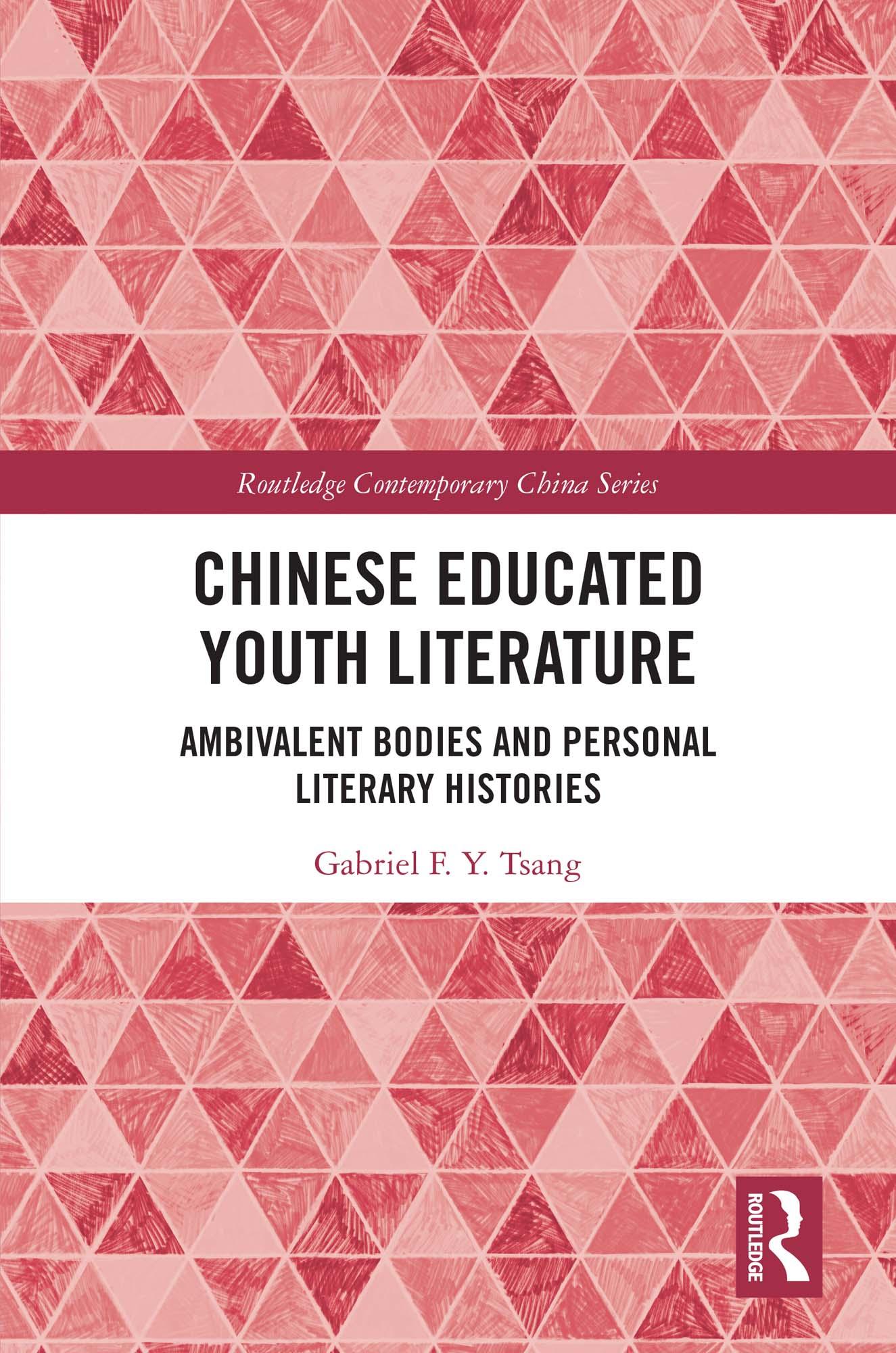
This book explores the literary history of the zhiqing, Chinese educated youth, during the liberal 1980s era of the PRC.
By incorporating personal experiences, literary representation, shared history, and theory, it argues that attention to bodies’ physical/physiological condition, as represented in their fictional works, can reveal their attitudes toward the shifting and anomalous socio-political environments, both at the time of their rustication in Mao Zedong’s era and at the time of writing about their experiences in Deng Xiaoping’s cities. It highlights the ideological transformation of educated youth writers’ malleable fictional bodies, which preserved and encoded their private ambivalence and dynamic compromises with political and literary dilemmas. By studying these "fictional bodies," this book deciphers the specific significance of labor, hunger, disability, and sexuality, negating the simplification of the fabricated embodiment as only containing and delivering iconoclastic spirit, sincere patriotism, personal struggle, socialist ideological control, and feminine self-consciousness.
Exploring the community of Chinese educated youth, of which Xi Jinping was one, this will be a valuable resource to students and scholars of Comparative literature, Modern Chinese literature, and Modern Chinese history.
Pay easily by card, Klarna, Apple Pay or Google Pay. Not happy? You always have a 14-day money-back guarantee. Read more in our terms. If you have any questions, email us at hello@memmo.org.
Memmo makes studying easier – wherever you are in the world. We bring your course books and smart study tools together in one place: summaries, quizzes, podcasts and flashcards. Plus Ted, your study buddy who answers anything you wonder. Over 50,000 students already study here – built to help you learn faster and stress less.