
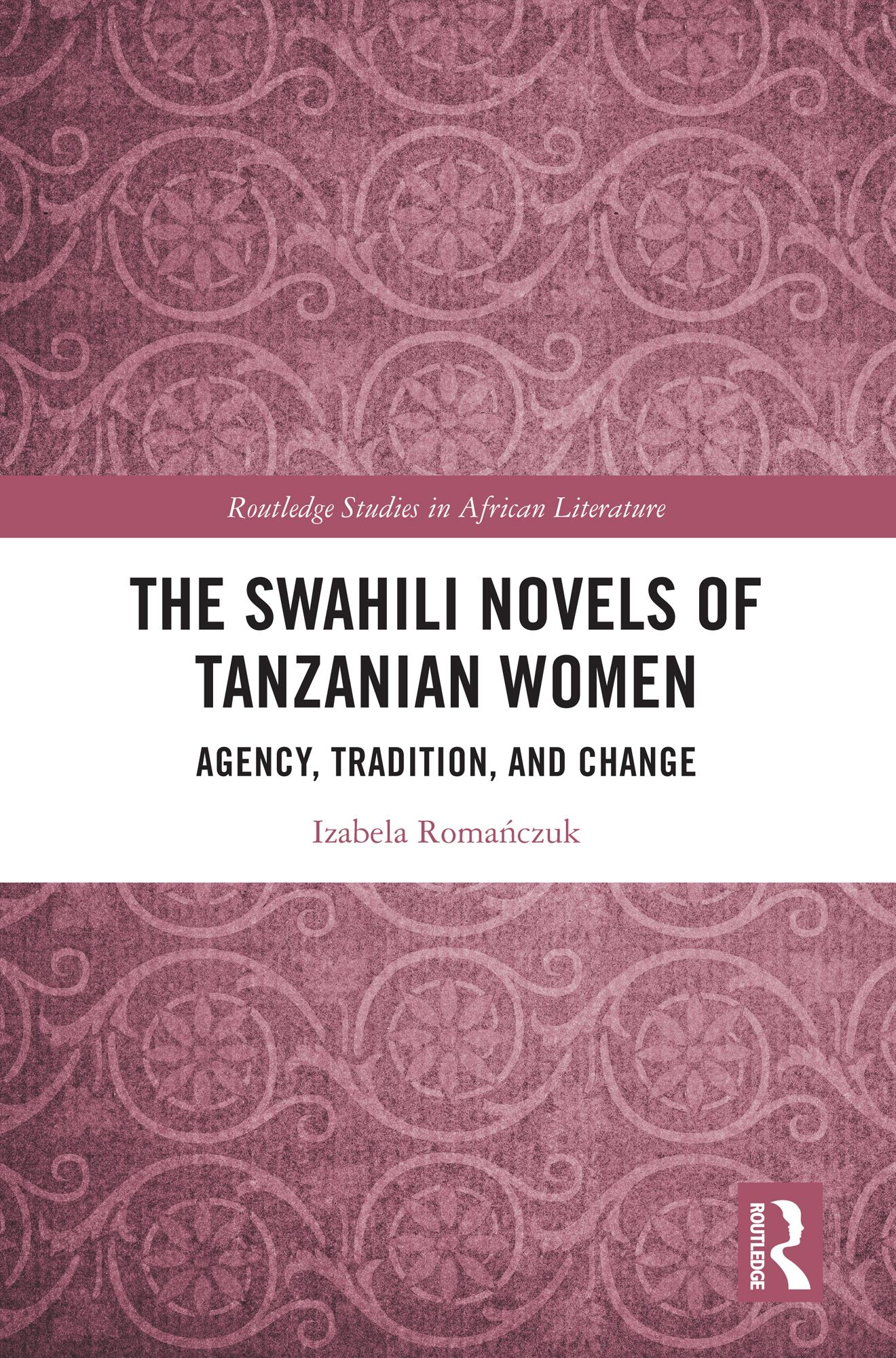
This book provides a rich and full analysis of female Swahili novelists from a feminist perspective, highlighting their important contributions to the living Swahili literary and intellectual tradition.
Compared to the diverse and centuries-old oral literature, or religious-philosophical poetry tradition developing since at least the 17th century, the novel is a relatively young phenomenon in the rich body of Swahili literary output, emerging only in the last hundred years. Since then, academia has focused primarily on male novelists, largely disregarding important female writers such as Ndyanao Balisidya, Zainab Burhani, Martha Mvungi Mlangala, Zainab Mwanga, Lucy Nyasulu, and Zainab Alwi Baharoon. This book traces the evolution of women’s writing in Tanzania, highlighting emancipatory and feminist discourses, as well as intersectional themes of class, education, and urbanisation. The author demonstrates how concepts such as utu 'the essence of humanity', aibu 'shame', 'disgrace' and heshima 'honor', 'social respectability' are used in the novels to articulate the value systems and social norms in Swahili communities, including the gendered perceptions of women that they create.
Grounded throughout in the historical and socio-political contexts of the authors it discusses, this book will be an important read for researchers of African literature and women’s studies.
Pay easily by card, Klarna, Apple Pay or Google Pay. Not happy? You always have a 14-day money-back guarantee. Read more in our terms. If you have any questions, email us at hello@memmo.org.
Memmo makes studying easier – wherever you are in the world. We bring your course books and smart study tools together in one place: summaries, quizzes, podcasts and flashcards. Plus Ted, your study buddy who answers anything you wonder. Over 50,000 students already study here – built to help you learn faster and stress less.