
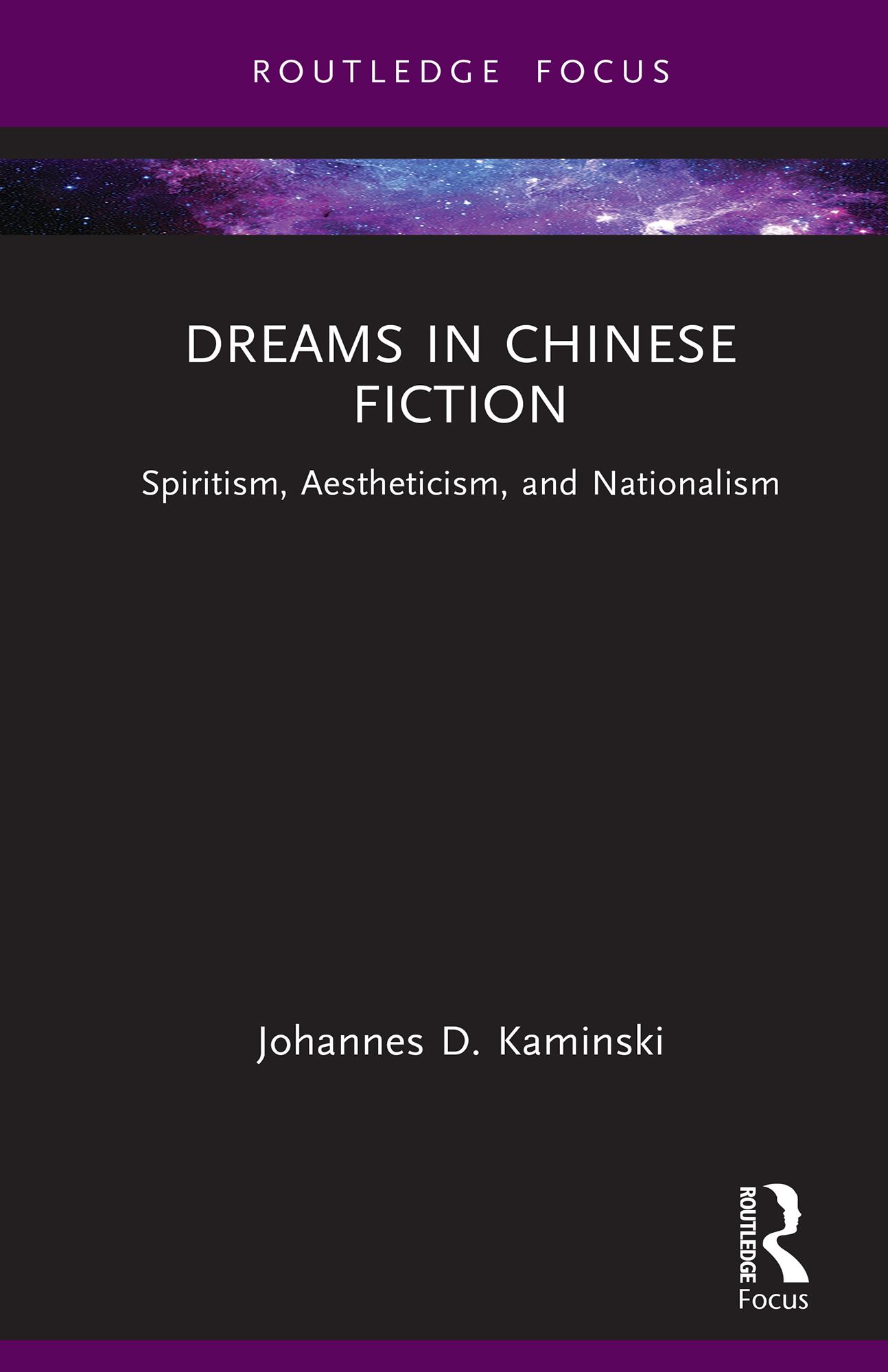
This book considers the contemporary political formula of the “Chinese Dream” in the light of the treatment of dreams in Chinese literary history since antiquity. Sinic literary and philosophical texts document an extensive spectrum of dream possibilities: starting with Zhuangzi’s eminent butterfly dream, an early example of the inversion of the dreamer’s reality, through to confusing visions of the spiritual realm. In classical dramas, novels, and ghost stories, dreams see the earthly realm enter into conflict with higher realms of existence. They indulge the dreamer’s quest for sensual pleasures, but then spiritual beings relentlessly harvest the dreamers’ life energy. Dreams promise spiritual enlightenment – only to abandon the dreamer in a state of utter confusion. In the early twentieth century, traditional dream knowledge is abandoned in favour or Freudian episodes of sexual repression. In this context, the collective national dream emerges as an unexpected vehicle of the pained individual’s hope for national rejuvenation.
Pay easily by card, Klarna, Apple Pay or Google Pay. Not happy? You always have a 14-day money-back guarantee. Read more in our terms. If you have any questions, email us at hello@memmo.org.
Memmo makes studying easier – wherever you are in the world. We bring your course books and smart study tools together in one place: summaries, quizzes, podcasts and flashcards. Plus Ted, your study buddy who answers anything you wonder. Over 50,000 students already study here – built to help you learn faster and stress less.