
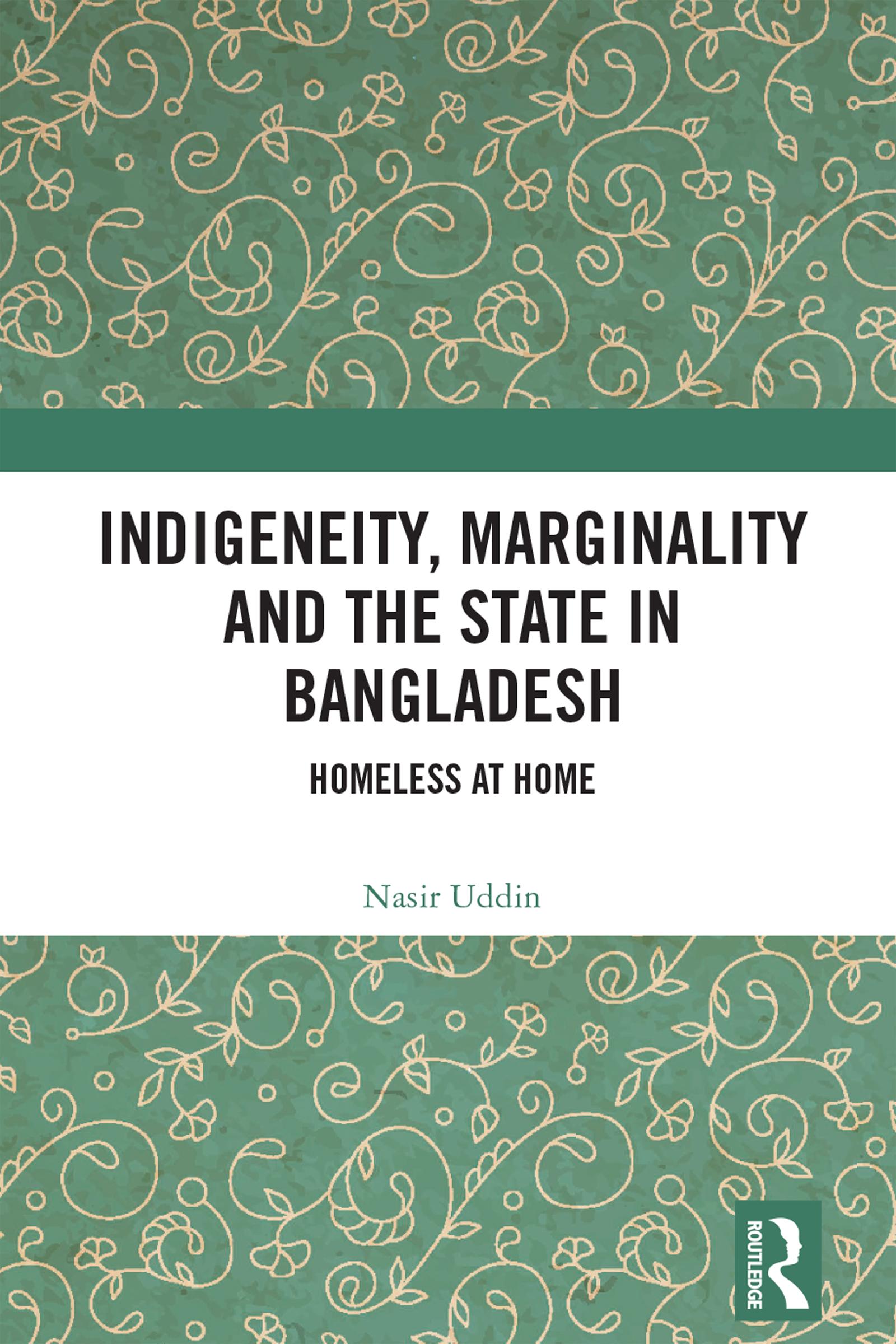
This book explores the critical linkages between indigeneity, marginality, and the state in Bangladesh. Indigeneity is progressively gaining currency in politics and thereby becoming an active force in the larger context of national activism with transnational patronage and international support. Drawing on comprehensive and solid ethnographic accounts, the book offers a broader understanding of the process of marginalisation and the emergence of new leadership among the Khumi, an indigenous group of Bangladesh. It illuminates how the Khumi have realised their position on the margin of the state within the socio-economic, political, and ethnic history of the Chittagong Hill Tracts. It also looks at how kin-based social organisations and non-kin-based social relations become bases of power and authority as well as cooperation and reciprocity in Khumi society.
Lucid and topical, the book will be of interest to scholars and researchers of indigenous studies, anthropology, ethnic studies, sociology, political sciences, international relations, border studies, and South Asian studies, especially those concerned with Bangladesh.
Pay easily by card, Klarna, Apple Pay or Google Pay. Not happy? You always have a 14-day money-back guarantee. Read more in our terms. If you have any questions, email us at hello@memmo.org.
Memmo makes studying easier – wherever you are in the world. We bring your course books and smart study tools together in one place: summaries, quizzes, podcasts and flashcards. Plus Ted, your study buddy who answers anything you wonder. Over 50,000 students already study here – built to help you learn faster and stress less.