
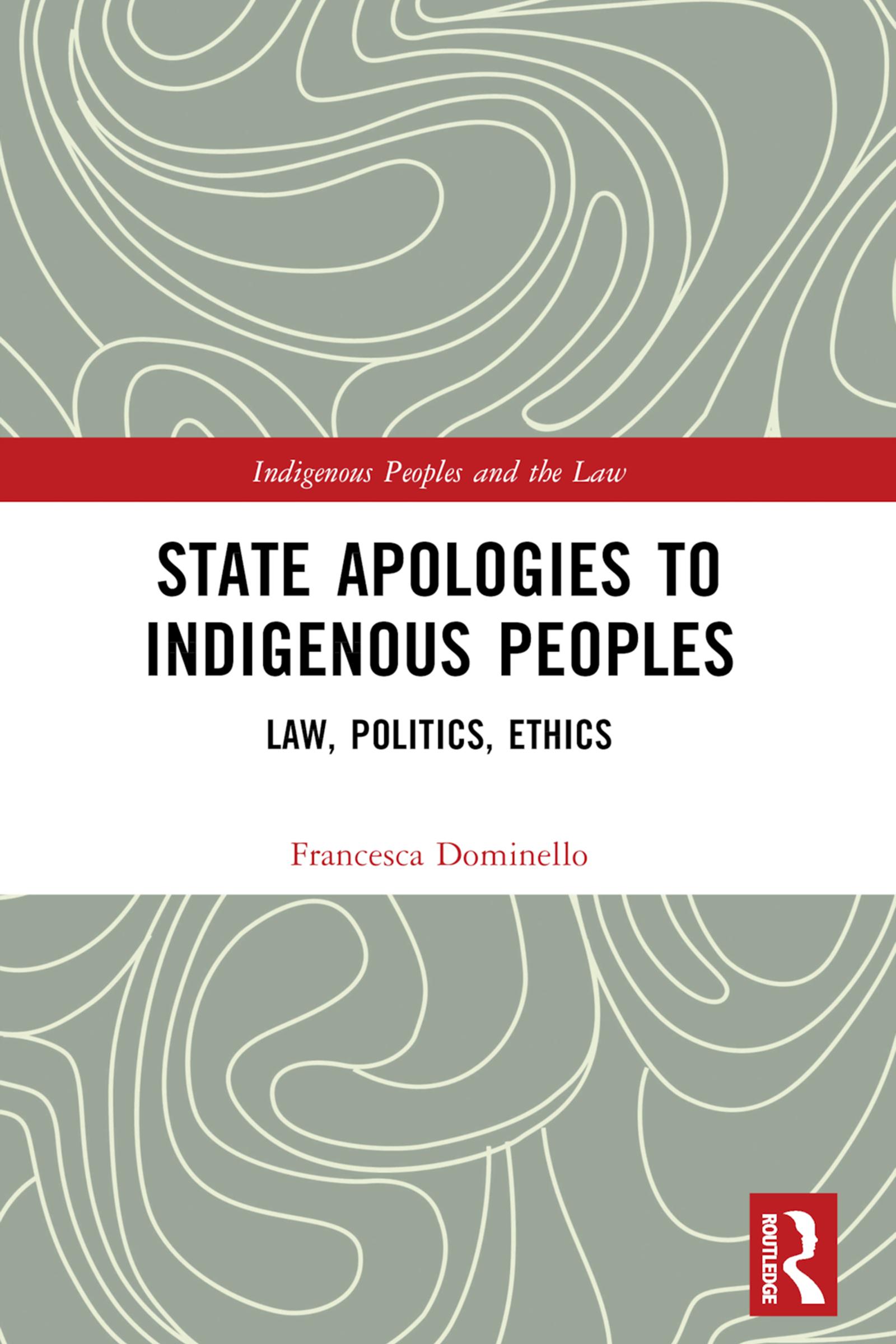
This book considers the ethics and politics of state apologies made to Indigenous peoples.
The prevalent tendency to treat an apology as a speech act has maintained the focus on the state leader making the apology and not on the victims’ claims. This book demonstrates the inherent shortcomings of this approach through an examination of apologies delivered to Indigenous peoples in Australia and Canada. Contrasting the texts of these apologies with Indigenous peoples' responses, the book develops an understanding of apology as a relational process. This involves engaging Indigenous peoples in dialogue, the aim of which would be to address past injuries by fulfilling the apology's transformative promise of 'never again' to Indigenous peoples' satisfaction. The book concludes by examining more recent developments in Australia and Canada that highlight the continuing need for government accountability to fulfil this promise and ensure Indigenous people's rights and interests are upheld.
This book will be of considerable interest to scholars and students in the fields of law and politics, Indigenous studies; forgiveness studies; transitional justice and reconciliation; settler colonialism and decolonisation.
Pay easily by card, Klarna, Apple Pay or Google Pay. Not happy? You always have a 14-day money-back guarantee. Read more in our terms. If you have any questions, email us at hello@memmo.org.
Memmo makes studying easier – wherever you are in the world. We bring your course books and smart study tools together in one place: summaries, quizzes, podcasts and flashcards. Plus Ted, your study buddy who answers anything you wonder. Over 50,000 students already study here – built to help you learn faster and stress less.