
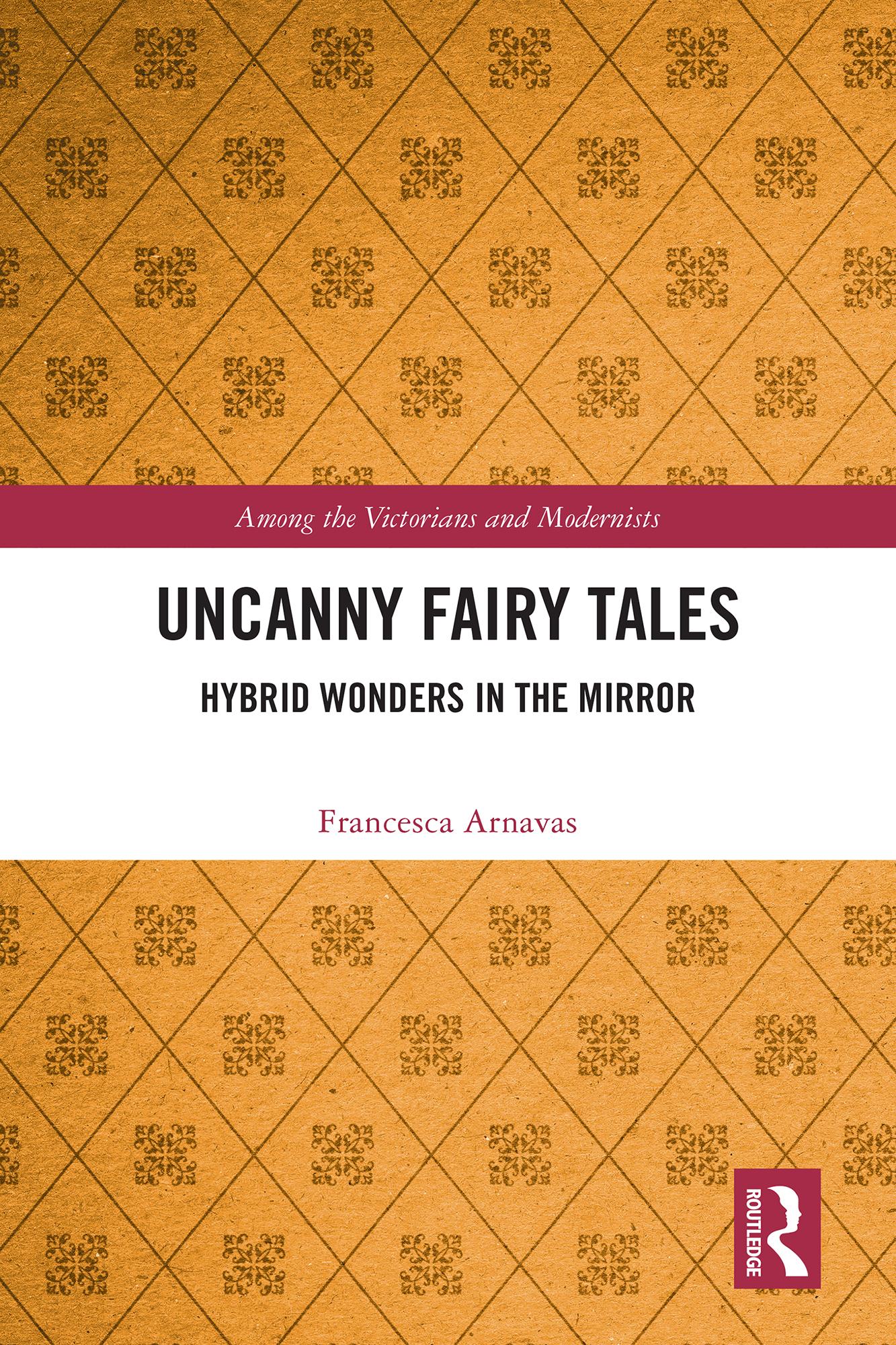
There are fairy tales that surprise, destabilise, or even shock us: these are uncanny fairy tales that manipulate familiar stories in creative and bewildering ways in order to express new meanings. This work analyses these tales, basing its approach on a reformulation of Freud’s concept of the uncanny. Through a cognitive outlook the employed theoretical framework provides new perspectives on the study of experimental literary fairy tales. Considering English-language literature, complex and unsettling reinterpretations of the fairy-tale discourse began to appear during the Victorian Age, later resurfacing as a postmodern trend. This research individuates uncanny-related narrative techniques and cognitive responses as means to decodify and explore these tales, and as ways to discover unseen connections between Victorian and postmodern texts. The new theorisation of the uncanny is linked with three subconcepts: mirror, hybridity, and wonder, which function as tools to describe and investigate the cognitive and emotional entanglements characterising enigmatic and disorienting fairy tales.
Pay easily by card, Klarna, Apple Pay or Google Pay. Not happy? You always have a 14-day money-back guarantee. Read more in our terms. If you have any questions, email us at hello@memmo.org.
Memmo makes studying easier – wherever you are in the world. We bring your course books and smart study tools together in one place: summaries, quizzes, podcasts and flashcards. Plus Ted, your study buddy who answers anything you wonder. Over 50,000 students already study here – built to help you learn faster and stress less.