
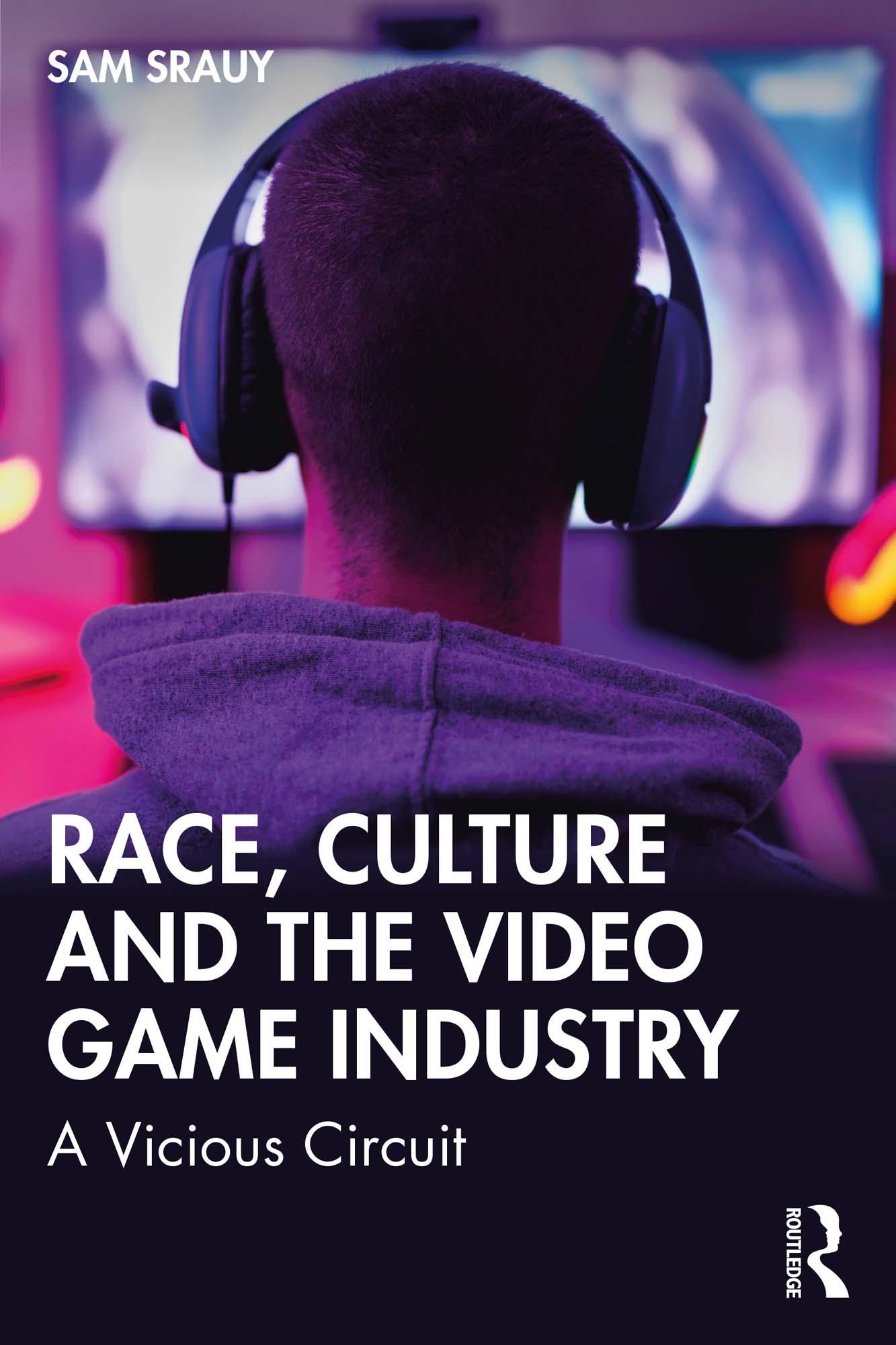
A detailed and much needed examination of how systemic racism in the US shaped the culture, market logic, and production practices of video game developers from the 1970s until the 2010s.
Offering historical analysis of the video game industries (console, PC, and indie) from a critical, political economic lens, this book specifically examines the history of how such practices created, enabled, and maintained racism through the imagined ‘gamer.’ The book explores how the cultural and economic landscape of the United States developed from the 1970s through the 2000s and explains how racist attitudes are reflected and maintained in the practices of video games production. These practices constitute a 'Vicious Circuit' that normalizes racism and the centrality of an imagined gamer identity. It also explores how the industry, from indie game developers to larger profit-driven companies, responded to changing attitudes in the 2010s, where racism and lack of diversity in games was frequently being noted. The book concludes by offering potential solutions to combat this ‘Vicious Circuit’.
A vital contribution to the study of video games that will be welcomed by students and scholars in the fields of media studies, cultural studies, game studies, critical race studies, and beyond.
Pay easily by card, Klarna, Apple Pay or Google Pay. Not happy? You always have a 14-day money-back guarantee. Read more in our terms. If you have any questions, email us at hello@memmo.org.
Memmo makes studying easier – wherever you are in the world. We bring your course books and smart study tools together in one place: summaries, quizzes, podcasts and flashcards. Plus Ted, your study buddy who answers anything you wonder. Over 50,000 students already study here – built to help you learn faster and stress less.