
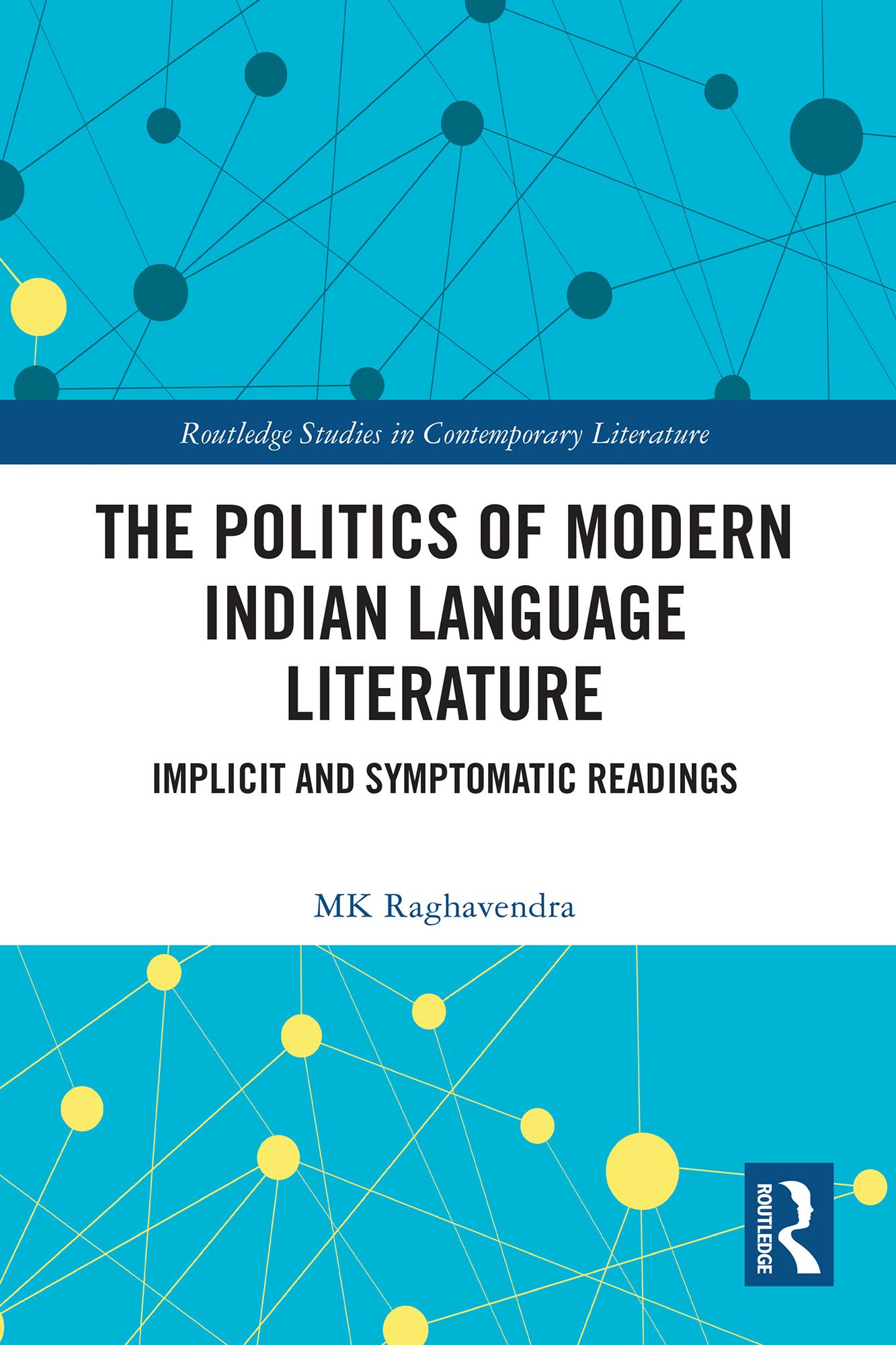
Indian literature is produced in a wealth of languages but there is an asymmetry in the exposure the writing gets, which owes partly to the politics of translation into English. This book represents the first comprehensive political scrutiny of the concerns and attitudes of Indian language literature after 1947 to cover such a wide range, including voices from the cultural margins of the nation like Kashmiri and Manipuri, that of women alongside those of minority and marginalised communities. In examining the politics of the writing especially in relation to concerns like nationhood, caste, tradition and modernity, postcoloniality, gender issues and religious conflict, the book goes beyond the declared ideology of each writer to get at covert significations pointing to widely shared but often unacknowledged biases. The book is deeply analytical but lucid and jargon-free and, to those unfamiliar with the writers, it introduces a new keenness into Indian literary criticism to make its objects exciting.
Pay easily by card, Klarna, Apple Pay or Google Pay. Not happy? You always have a 14-day money-back guarantee. Read more in our terms. If you have any questions, email us at hello@memmo.org.
Memmo makes studying easier – wherever you are in the world. We bring your course books and smart study tools together in one place: summaries, quizzes, podcasts and flashcards. Plus Ted, your study buddy who answers anything you wonder. Over 50,000 students already study here – built to help you learn faster and stress less.