
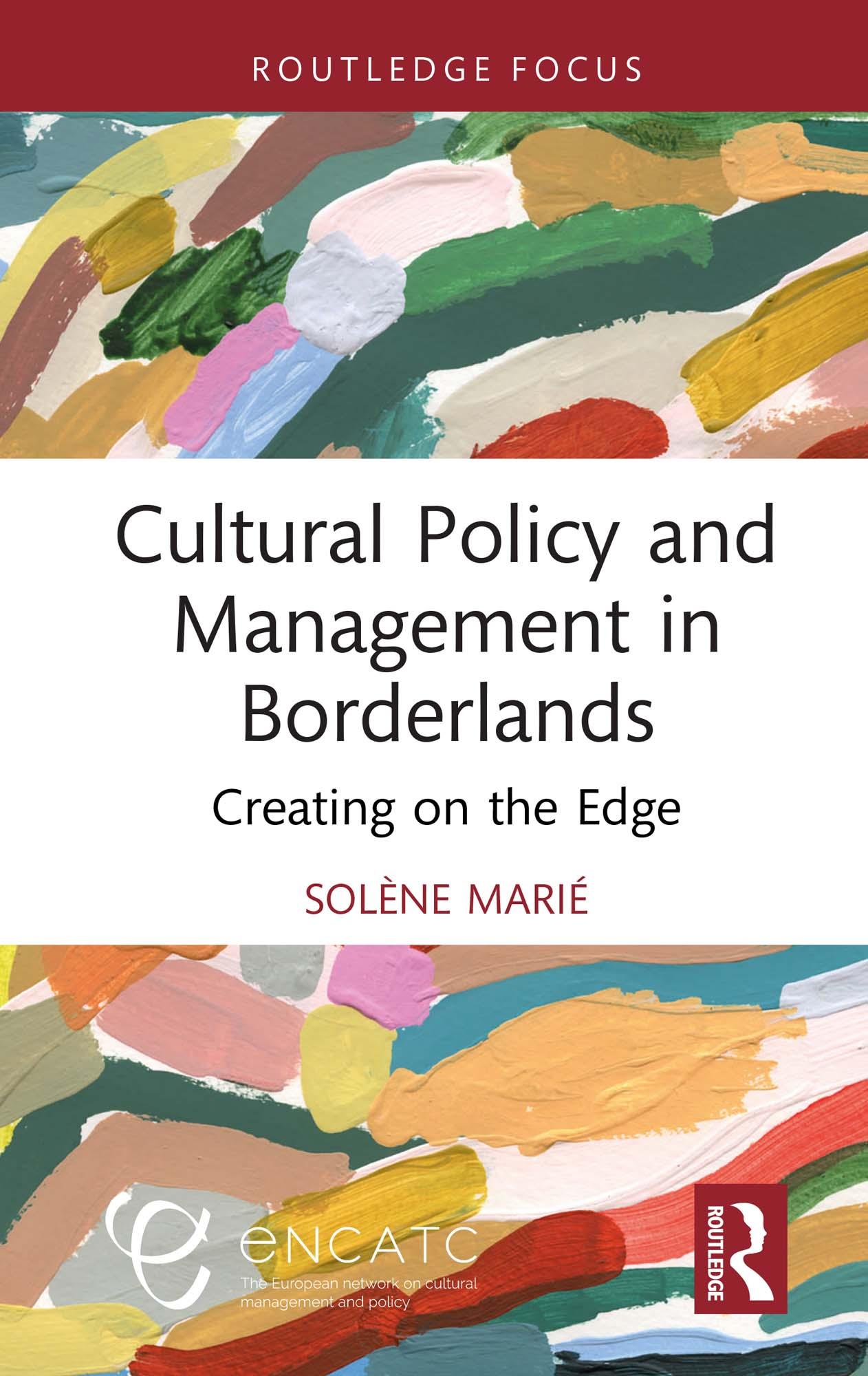
This book uncovers the processes at play in the development of cultural policies, projects and networks in spaces at the edge of their countries, marked by their proximity with a borderline.
On a subject which is studied mainly in North America and Western Europe and based on individual case studies, its originality lies in offering a comparative view on the subject, as well as in comparing a European case – the France-Germany borderlands – to a South American case – the Brazil-Uruguay borderlands. Through a multi-sited ethnographic study, the author develops an analysis of the formal and informal processes and networks which sustain this cultural action, looking at the relative contribution of processes led by institutions, cultural agents and the civil society.
This book provides theoretical tools for the analysis of the way cultural ecosystems function in borderlands and is valuable reading for scholars of cultural policy, geography and arts management.
Pay easily by card, Klarna, Apple Pay or Google Pay. Not happy? You always have a 14-day money-back guarantee. Read more in our terms. If you have any questions, email us at hello@memmo.org.
Memmo makes studying easier – wherever you are in the world. We bring your course books and smart study tools together in one place: summaries, quizzes, podcasts and flashcards. Plus Ted, your study buddy who answers anything you wonder. Over 50,000 students already study here – built to help you learn faster and stress less.