
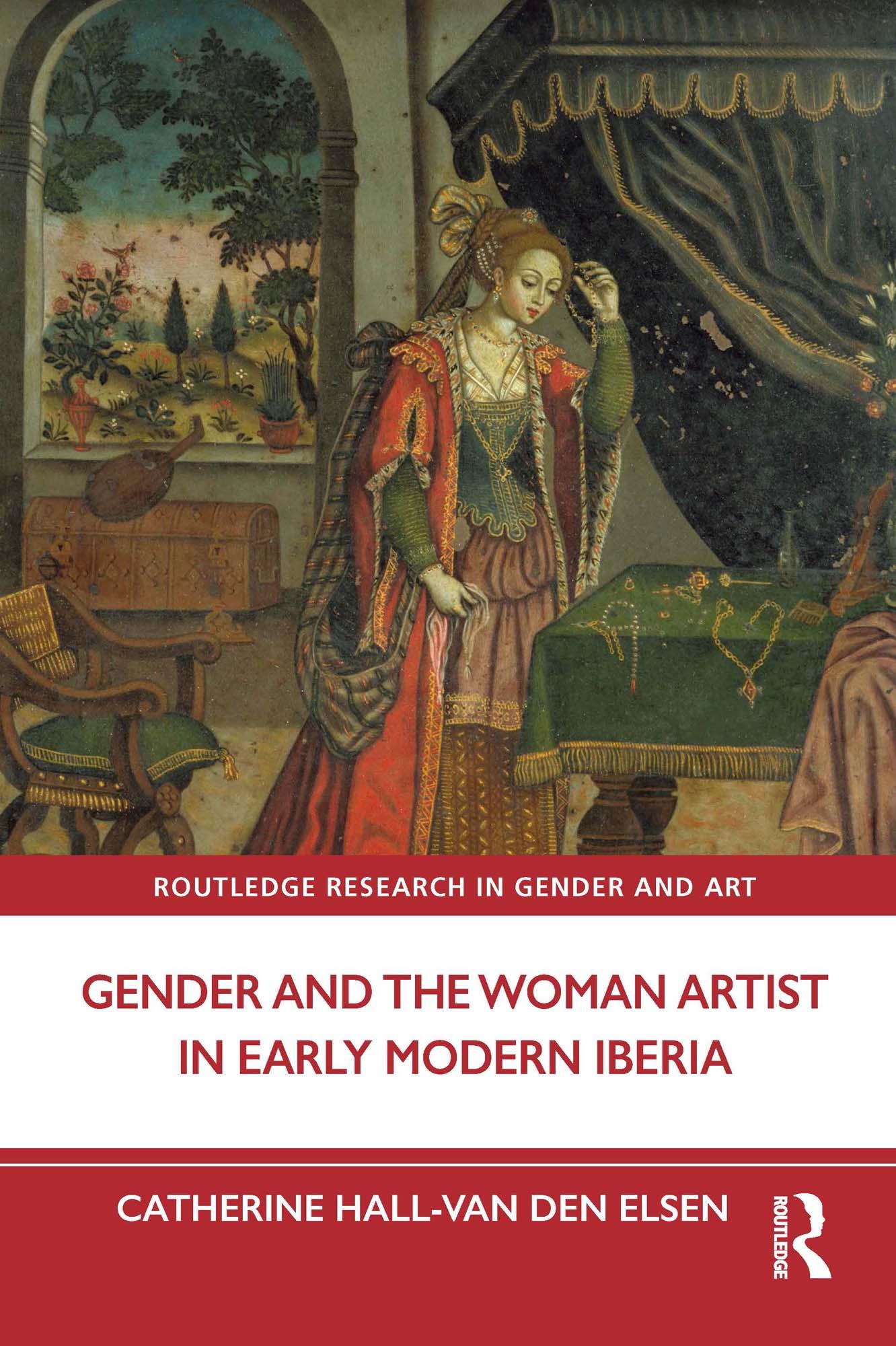
This monograph explores the social constructs surrounding artistic production in early modern Iberia through the lenses of gender and class by examining the rarely considered contribution of creative women in Spain and Portugal between 1550 and 1700.
Using the life-stage framework popular in texts of the period and drawing on a broad spectrum of materials including conduct guidebooks, treatises and conventual rules, this book examines the constraints imposed by gender-related social structures through microhistories of nuns, married, and unmarried women. The text spans class boundaries in its analysis of the work of painters, engravers, and sculptors, many of whom have until now eluded scholarly attention in English-language publications. An extensive bibliography promotes new avenues of inquiry into women’s contributions to the visual arts of the period.
This book will be of interest to scholars working in art history, gender studies, women’s history, early modern Iberian studies, and Renaissance studies.
Pay easily by card, Klarna, Apple Pay or Google Pay. Not happy? You always have a 14-day money-back guarantee. Read more in our terms. If you have any questions, email us at hello@memmo.org.
Memmo makes studying easier – wherever you are in the world. We bring your course books and smart study tools together in one place: summaries, quizzes, podcasts and flashcards. Plus Ted, your study buddy who answers anything you wonder. Over 50,000 students already study here – built to help you learn faster and stress less.