
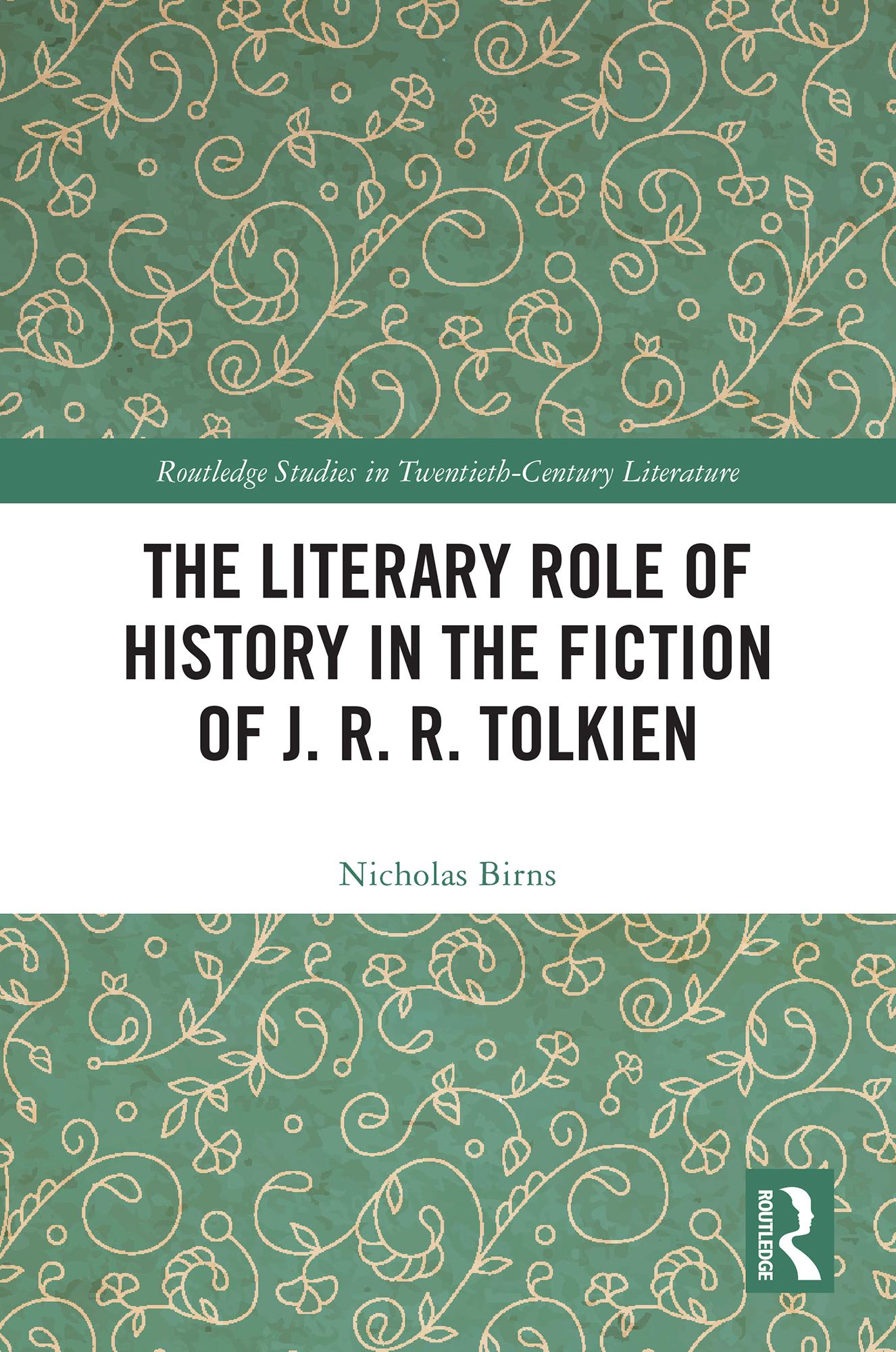
This volume analyzes the literary role played by history in the works of J. R. R. Tolkien. It argues that the events of The Lord of the Rings are placed against the background of an already- existing history, both in reality and in the fictional worlds of the books.
History is unfolded in various ways, both in explicitly archival annals and in stories told by characters on the road or on the fly, and in which different visions of history emerge. In addition, the history within the work can resemble, or be patterned on, histories in our world. These histories range from the deep past of prehistoric and ancient worlds to the early medieval era of the barbarian invasions and Byzantium, to the modern worlds of urbane civility and a paradoxical longing for nature, and finally to great power rivalries and global prospects. The book argues that Tolkien did not employ these histories indiscriminately or reductively. Rather, he regarded them as aspects of aesthetic and representative figuration that are above all literary.
While most criticism has concentrated on Tolkien’s use of historical traditions of Northern Europe, this book argues that Tolkien also valued Southern and Mediterranean pasts and registered the Germanic and the Scandinavian pasts as they related to other histories as much as his vision of them included a primeval mythic aura.
Pay easily by card, Klarna, Apple Pay or Google Pay. Not happy? You always have a 14-day money-back guarantee. Read more in our terms. If you have any questions, email us at hello@memmo.org.
Memmo makes studying easier – wherever you are in the world. We bring your course books and smart study tools together in one place: summaries, quizzes, podcasts and flashcards. Plus Ted, your study buddy who answers anything you wonder. Over 50,000 students already study here – built to help you learn faster and stress less.