
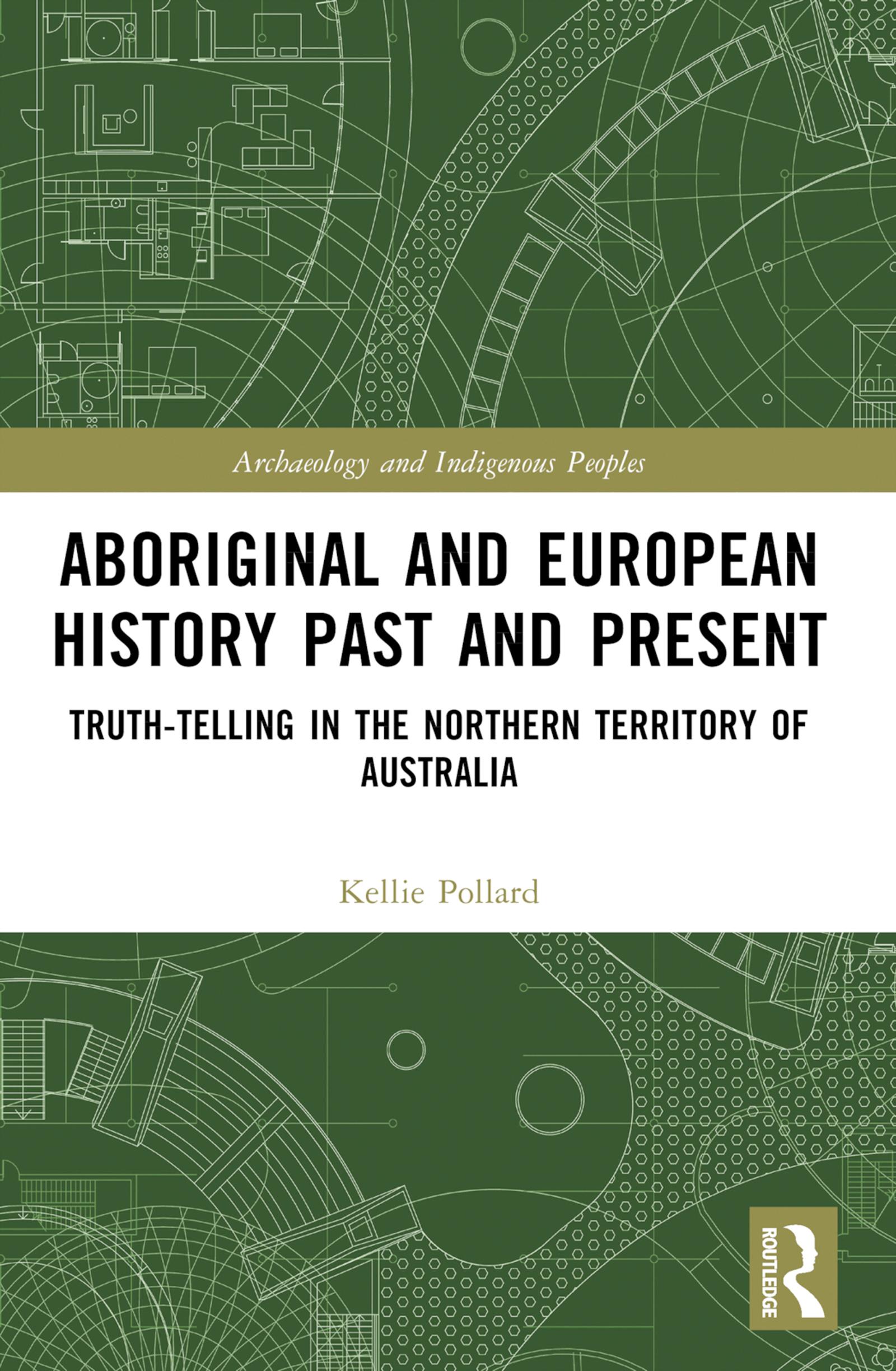
This book analyses the 150-year history of continuous contact between Aboriginal people and non-Aboriginal people in the Darwin region of the Northern Territory of Australia after the European invasion in 1869 to the present day.
It explores the role Aboriginal fringe camps served, and still do, as places of interface between Aboriginal people and non-Aboriginal people in the context of ongoing colonialism after colonisation. The book argues that Aboriginal fringe camps provide much potential for elucidating aspects of Aboriginal responses to the European invasion and, in a contemporary context, bear distinct evidence of a cultural nature that associates their origins, use, purpose, and functions predominantly with Aboriginal people. It contributes a new and innovative theoretical model that will enable readers to conceive how insights about Aboriginal behaviour in the context of Aboriginal fringe camps were achieved. The model is informed by the frameworks of colonialism and, innovatively, philosophy.
Contributing new theoretical knowledge to contact histories and relations between Europeans and Indigenous peoples, the book will be important to researchers in the archaeology of Australia and those concerned with Indigenous Studies.
Pay easily by card, Klarna, Apple Pay or Google Pay. Not happy? You always have a 14-day money-back guarantee. Read more in our terms. If you have any questions, email us at hello@memmo.org.
Memmo makes studying easier – wherever you are in the world. We bring your course books and smart study tools together in one place: summaries, quizzes, podcasts and flashcards. Plus Ted, your study buddy who answers anything you wonder. Over 50,000 students already study here – built to help you learn faster and stress less.