
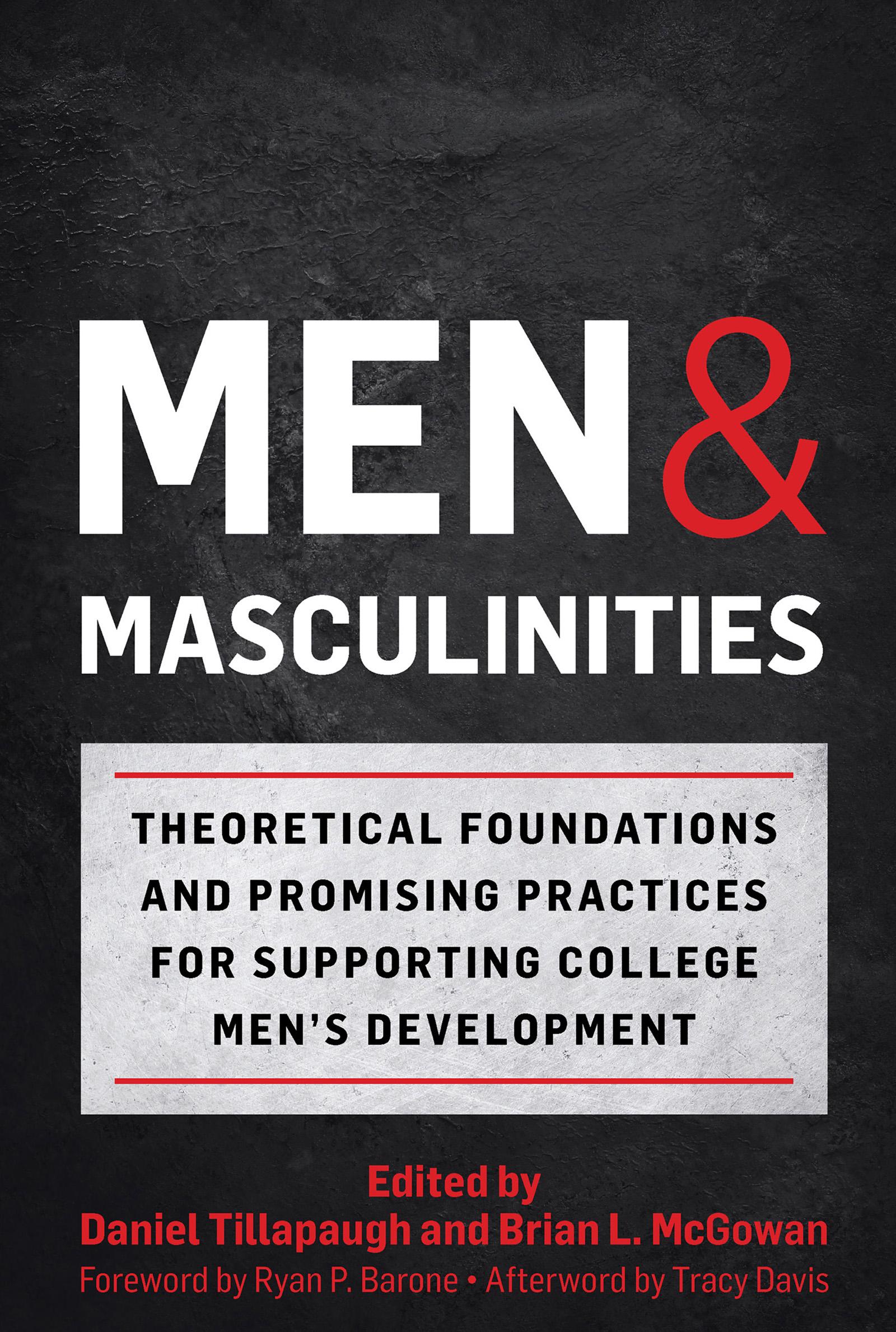
There continues to be much concern about the retention and persistent of men in college, particularly Black, Latinx, and Native American men. In addition, queer and trans* men also have found institutions to be problematic spaces. For those who do persist, we know that men are overrepresented in student conduct cases and engage in risky behaviors around alcohol, drug use, and sexual relationships. Additionally, we know that college men have historically avoided engaging in help-seeking behaviors for their academic and personal success. This book addresses the ways that theory can be put into practice for powerful, transformative learning to support college men and their development.This book synthesizes the research of the past three decades on college men to inform college student educators on the developmental needs of college men and illuminates how young men are socialized prior to their arrival to campus, but perhaps more importantly, how the collegiate environment becomes a training ground for the socialization of masculinities by students, their peers, and their environments.Beyond that, it sets out how practitioners can help young men understand why and how they have been socialized around their gender identity, but also what their gender identity and sense of masculinity means for their future selves. The book highlights programs and services designed to have college men engage with and dialogue around issues of hegemonic, toxic, or unhealthy aspects of masculinity. These promising practices can offer college men opportunities to understand their power, privilege, and identity in ways that can be affirming and healthier, leading to more life-giving chances. This is all the more important in the context of an ever-evolving society where traditionally held norms and expectations around gender--particularly masculinities--are shifting. This book equips student affairs staff, faculty, and administrators to better support college men’s development. It offers readers insights, ideas, and models for adapting and developing programs, services, and initiatives that may meaningfully meet the needs of specific student populations, while recognizing that there is no “one-size-fits-all” approach to this work.
Pay easily by card, Klarna, Apple Pay or Google Pay. Not happy? You always have a 14-day money-back guarantee. Read more in our terms. If you have any questions, email us at hello@memmo.org.
Memmo makes studying easier – wherever you are in the world. We bring your course books and smart study tools together in one place: summaries, quizzes, podcasts and flashcards. Plus Ted, your study buddy who answers anything you wonder. Over 50,000 students already study here – built to help you learn faster and stress less.