
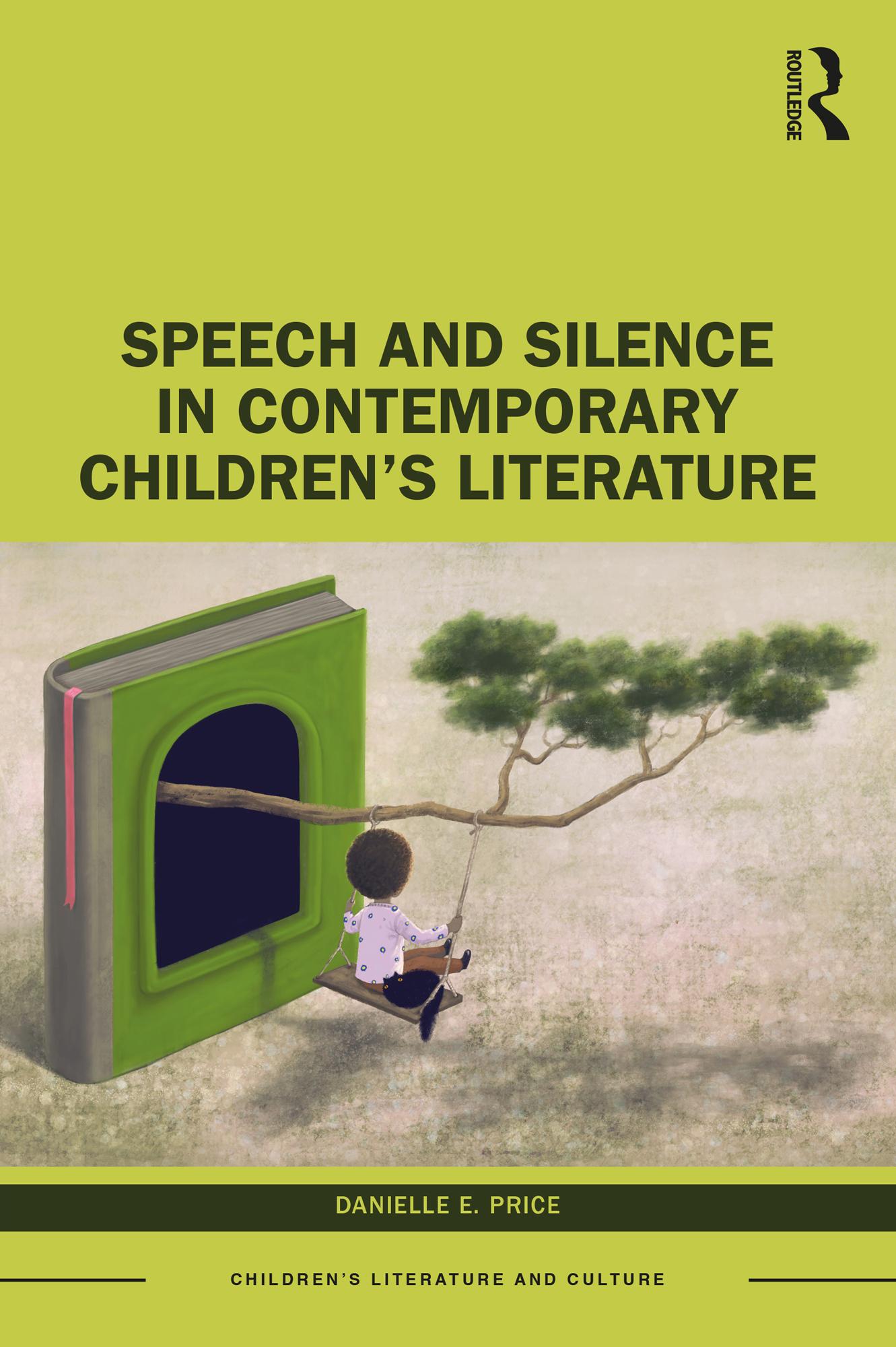
Speech and Silence in Contemporary Children’s Literature brings a fresh perspective to a central literary question— Who speaks?— by examining a variety of represented silences. These include children who do not speak, do not yet speak effectively, or speak on behalf of others. A rich and unexamined literary archive explores the problematics of children who are literally silent or metaphorically so because they cannot communicate effectively with adults or peers. This project centers children’s literature in the question of voice by considering disability, gender, race, and ecocriticism. Children’s literature rests on a paradox at the root of its own genre: it is produced by an adult author writing to a constructed idea of what children should be. By reading a range of contemporary children’s literature, this book scrutinizes how such texts narrate the child’s journey from communicative alterity to a place of empowered adult speech. Sometimes the child’s verbal enclosure enables privacy and resistance. At other times, silence is coerced or imposed or arises from bodily impairment. Children may act as intermediaries, speaking on behalf of species that cannot. Recently, we have seen children exercise their voices on the world stage and as authors. In all cases, the texts analyzed here reveal speech as a minefield to be traversed. Children who talk too much, too little, or with insufficient expertise pose problems to themselves and others. Implicitly and sometimes explicitly, they attempt to hold adults to account— inside and outside the text. Speech and Silence in Contemporary Children’s Literature addresses this underconceptualized subject in what will be an important text for scholars of children’s literature, childhood studies, English, disability studies, gender studies, race studies, ecopedagogy, and education.
Pay easily by card, Klarna, Apple Pay or Google Pay. Not happy? You always have a 14-day money-back guarantee. Read more in our terms. If you have any questions, email us at hello@memmo.org.
Memmo makes studying easier – wherever you are in the world. We bring your course books and smart study tools together in one place: summaries, quizzes, podcasts and flashcards. Plus Ted, your study buddy who answers anything you wonder. Over 50,000 students already study here – built to help you learn faster and stress less.