
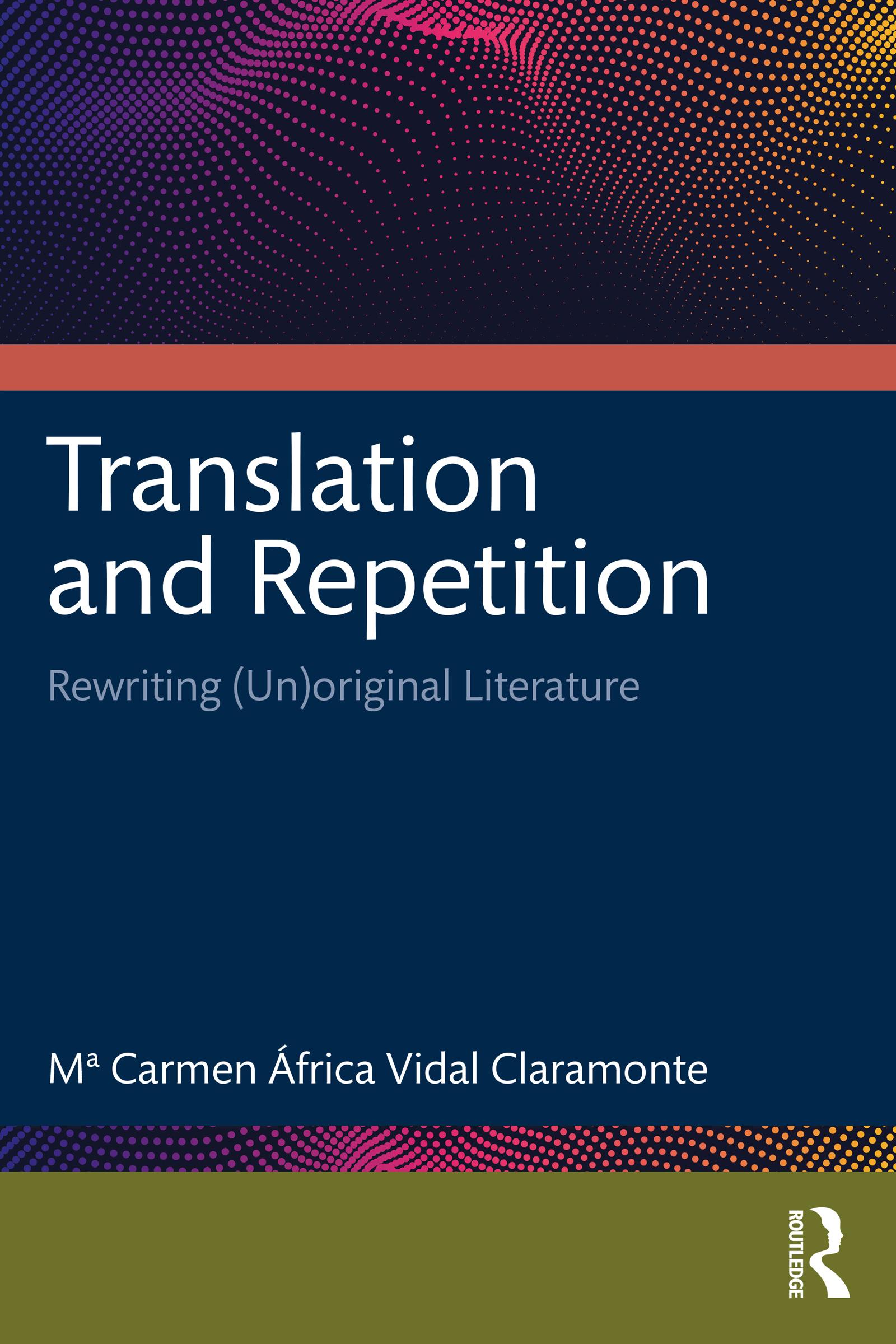
Translation and Repetition: Rewriting (Un)original Literature offers a new and original perspective in translation studies by considering creative repetition from the perspective of the translator. This is done by analyzing so-called "unoriginal literature" and thus expanding the definition of translation.
In Western thought, repetition has long been regarded as something negative, as a kind of cliché, stereotype or automatism that is the opposite of creation. On the other hand, in the eyes of many contemporary philosophers from Wittgenstein and Derrida to Deleuze and Guattari, repetition is more about difference. It involves rewriting stories initially told in other contexts so that they acquire a different perspective. In this sense, repeating is often a political act. Repetition is a creative impulse for the making of what is new. Repetition as iteration is understood in this book as an action that recognizes the creative and critical potential of copying.
The author analyzes how our time understands originality and authorship differently from past eras, and how the new philosophical ways of approaching repetition imply a new way of understanding the concept of originality and authorship. Deconstruction of these notions also implies subverting the traditional ways of approaching translation. This is vital reading for all courses on literary translation, comparative literature, and literature in translation within translation studies and literature.
Pay easily by card, Klarna, Apple Pay or Google Pay. Not happy? You always have a 14-day money-back guarantee. Read more in our terms. If you have any questions, email us at hello@memmo.org.
Memmo makes studying easier – wherever you are in the world. We bring your course books and smart study tools together in one place: summaries, quizzes, podcasts and flashcards. Plus Ted, your study buddy who answers anything you wonder. Over 50,000 students already study here – built to help you learn faster and stress less.