
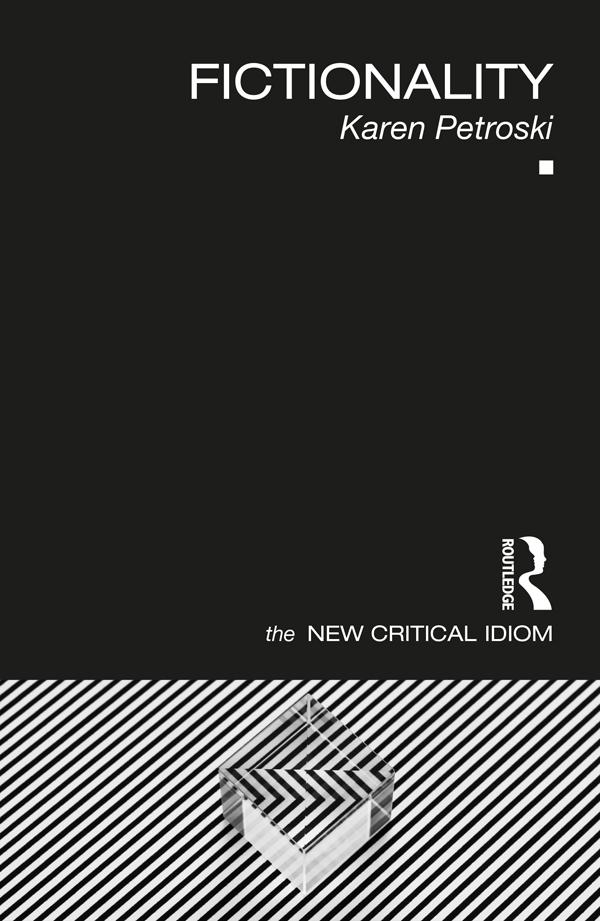
Does fiction enhance reality, or threaten our sense of what is real? What, if anything, is special about experiencing fictional works and worlds? Today we speak casually of parallel universes and virtual reality; how much do we really know about what these phenomena involve?
In Fictionality, Karen Petroski explains how philosophers and literary theorists have approached these questions in the Western literary tradition, from Greek antiquity to the present day. The book introduces readers to both long-running and contemporary debates about:
- The value and dangers of engagement with fiction
- The origins of fictional artworks, especially literary works, in Western literature
- The role played by imagination in engaging with fiction
- The peculiarities of fictional "worlds"
- The structure of linguistic reference within fictional artworks
- The functions of fictionality in non-linguistic artworks such as film and television
- The role played by fictionality outside artworks, for example, in philosophy, law, and politics
Fictionality offers an accessible and comprehensive introduction to this field of increasing critical and theoretical interest. Bringing together theoretical insights from a variety of perspectives, it will be an essential resource for anyone studying fictionality.
Pay easily by card, Klarna, Apple Pay or Google Pay. Not happy? You always have a 14-day money-back guarantee. Read more in our terms. If you have any questions, email us at hello@memmo.org.
Memmo makes studying easier – wherever you are in the world. We bring your course books and smart study tools together in one place: summaries, quizzes, podcasts and flashcards. Plus Ted, your study buddy who answers anything you wonder. Over 50,000 students already study here – built to help you learn faster and stress less.