
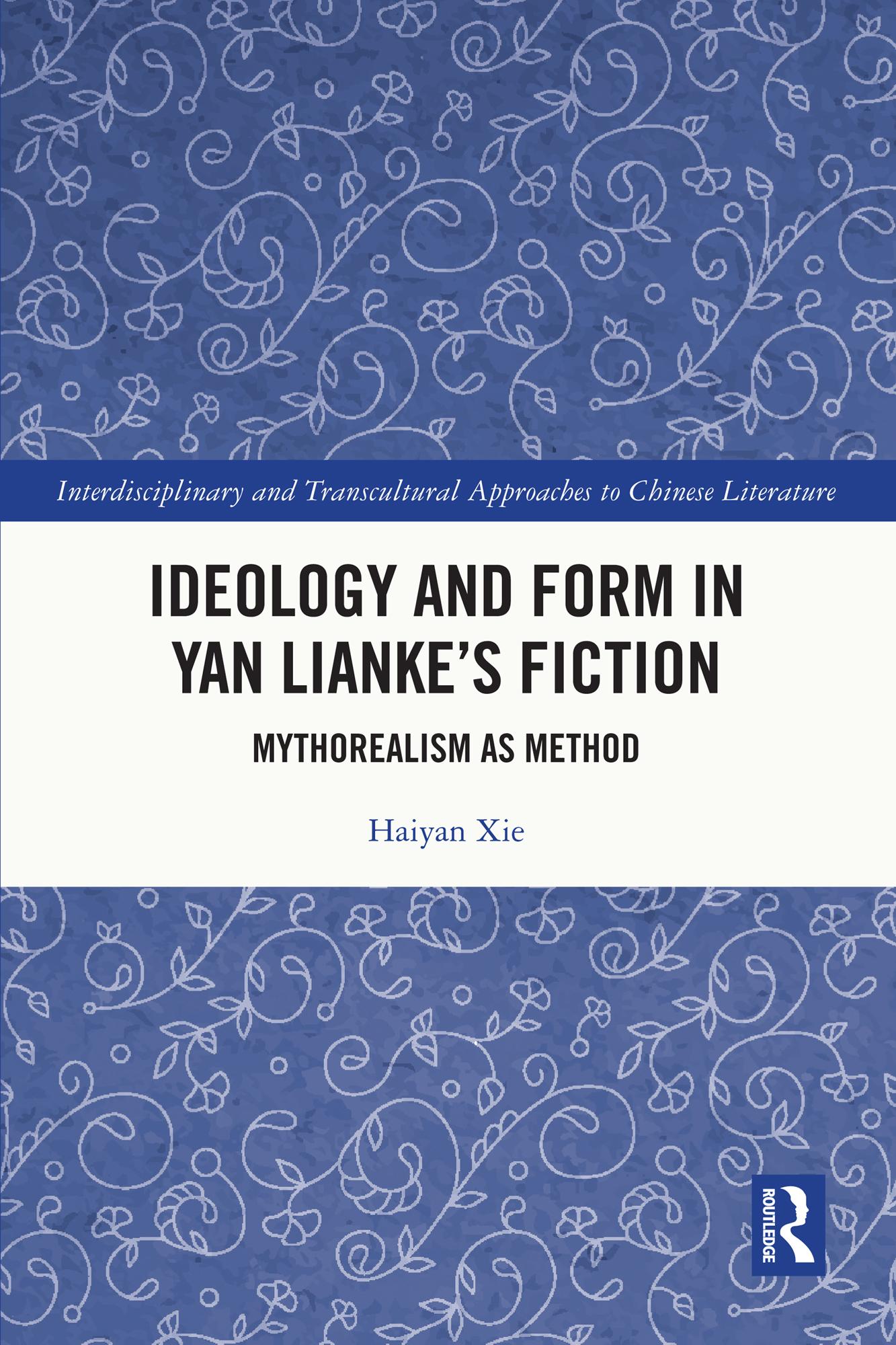
Xie analyzes three novels by the international award-winning Chinese writer Yan Lianke and investigates how his signature “mythorealist” form produces textual meanings that subvert the totalizing reality prescribed by literary realism.
The term mythorealism, which Yan coined to describe his own writing style, refers to a set of literary devices that incorporate both Chinese and Western literary elements while remaining primarily grounded in Chinese folk culture and literary tradition. In his use of mythorealism, carrying a burden of social critique that cannot allow itself to become “political,” Yan transcends the temporality and provinciality of immediate social events and transforms his potential socio-political commentaries into more diversified concerns for humanity, existential issues, and spiritual crisis. Xie identifies three modes of mythorealist narrative exemplified in Yan’s three novels: the minjian (folk) mode in Dream of Ding Village, the allusive mode in Ballad, Hymn, Ode, and the enigmatic mode in The Four Books. By positioning itself against an ambiguous articulation of social determinants of historical events that would perhaps be more straightforward in a purely realist text, each mode of mythorealism moves its narrative from the overt politicality of the subject matter to the existential riddle of negotiating an alternative reality.
A groundbreaking study of one of contemporary China’s most important authors that will be of great value to scholars and students of Chinese literature.
Pay easily by card, Klarna, Apple Pay or Google Pay. Not happy? You always have a 14-day money-back guarantee. Read more in our terms. If you have any questions, email us at hello@memmo.org.
Memmo makes studying easier – wherever you are in the world. We bring your course books and smart study tools together in one place: summaries, quizzes, podcasts and flashcards. Plus Ted, your study buddy who answers anything you wonder. Over 50,000 students already study here – built to help you learn faster and stress less.