
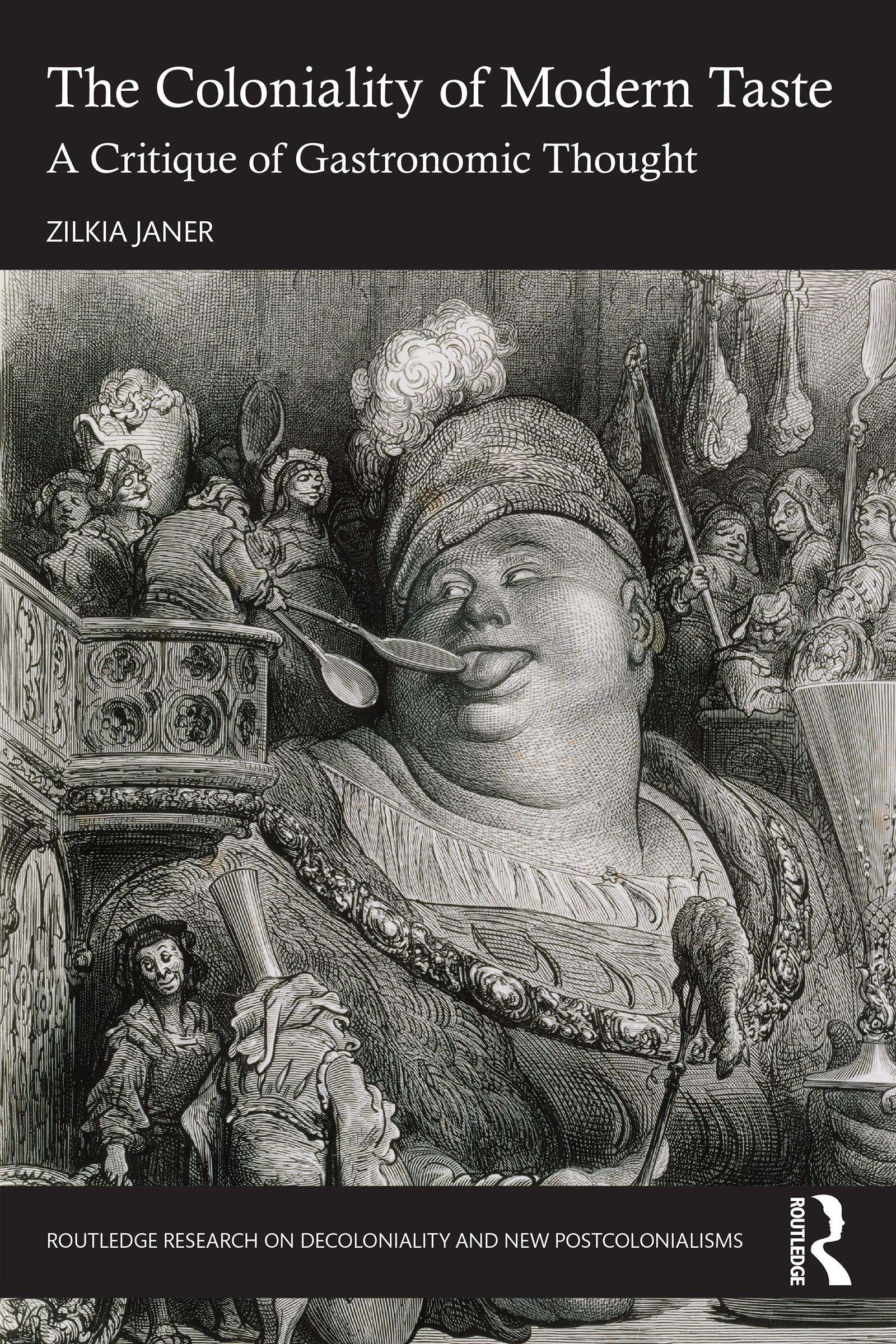
This book analyzes the coloniality of the concept of taste that gastronomy constructed and normalized as modern. It shows how gastronomy’s engagement with rationalist and aesthetic thought, and with colonial and capitalist structures, led to the desensualization, bureaucratization and racialization of its conceptualization of taste.
The Coloniality of Modern Taste provides an understanding of gastronomy that moves away from the usual celebratory approach. Through a discussion of nineteenth-century gastronomic publications, this book illustrates how the gastronomic notion of taste was shaped by a number of specifically modern constraints. It compares the gastronomic approach to taste to conceptualizations of taste that emerged in other geographical and philosophical contexts to illustrate that the gastronomic approach stands out as particularly bereft of affect. The book argues that the understanding of taste constructed by gastronomic texts continues to burden the affective experience of taste, while encouraging patterns of food consumption that rely on an exploitative and unsustainable global food system.
This book will appeal to students and scholars interested in cultural studies, decoloniality, affect theory, sensory studies, gastronomy and food studies.
Pay easily by card, Klarna, Apple Pay or Google Pay. Not happy? You always have a 14-day money-back guarantee. Read more in our terms. If you have any questions, email us at hello@memmo.org.
Memmo makes studying easier – wherever you are in the world. We bring your course books and smart study tools together in one place: summaries, quizzes, podcasts and flashcards. Plus Ted, your study buddy who answers anything you wonder. Over 50,000 students already study here – built to help you learn faster and stress less.