
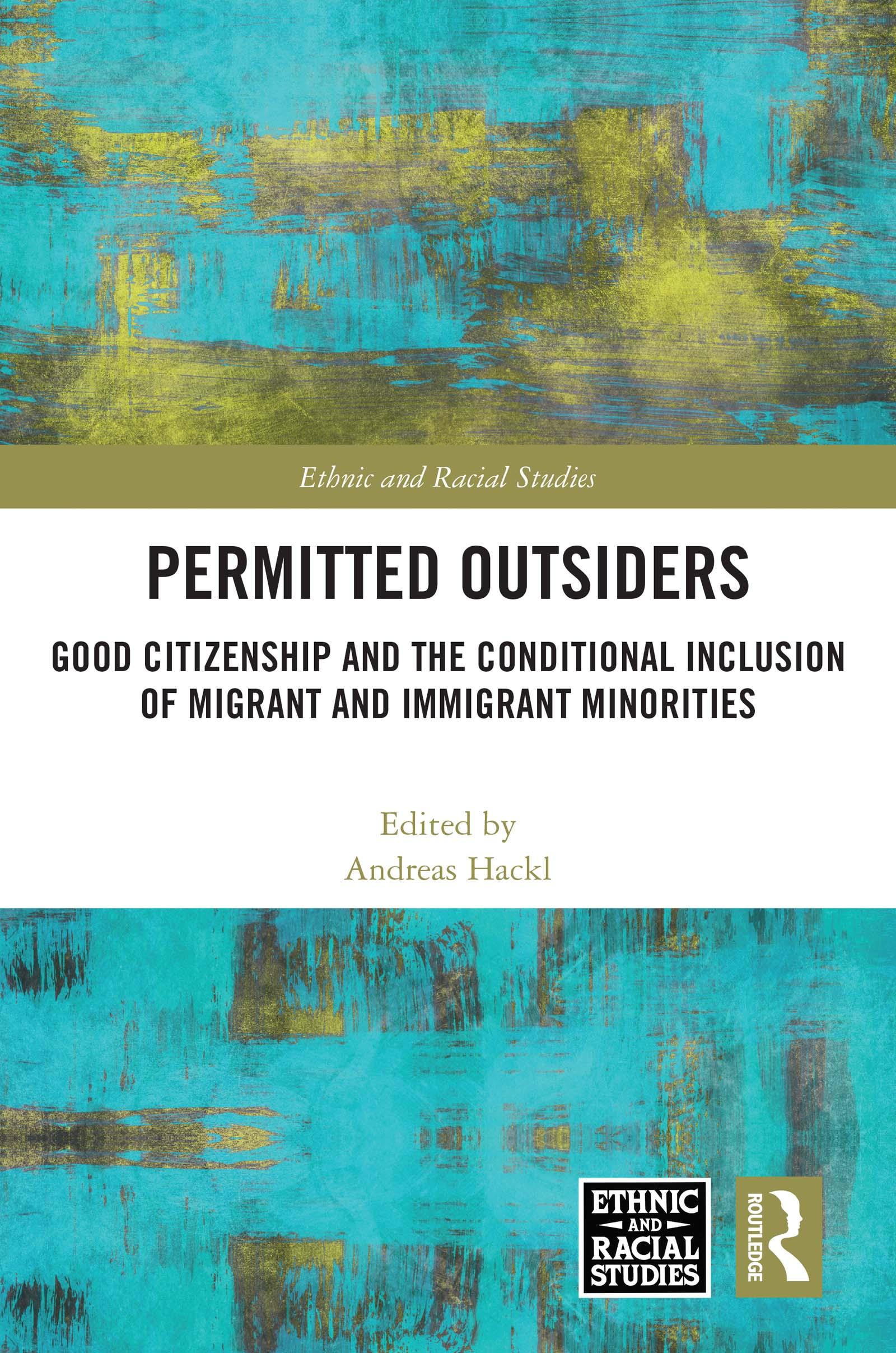
National majorities and their governments often demand that immigrants and other minorities must be “good”: they should work hard, contribute to society, and adapt to dominant cultural norms. Such stereotypical labels for national outsiders, ranging from “good immigrants” to “good Muslims” and “model minorities”, imply that their inclusion and recognition becomes conditional on fulfilling certain standards of behaviour and identity that are predetermined by the national majority. The affected minorities respond in diverse ways, at times striving to be recognised as “good” and at times rejecting these regimes of conditional inclusion and citizenship openly. This book offers ground-breaking insights on how these dynamics of conditional inclusion and “good” citizenship play out today, with a focus on migrant and immigrant-origin minorities in Europe and the Americas. This book shows that conditional inclusion is a globally widespread tool for controlling and rank-ordering minorities. As immigrants respond through diverse struggles for inclusion and recognition, these struggles reveal a hidden battleground of citizenship on which minorities negotiate who can be included and accepted in a given state or society. Their experience shows that conditionality is not an outlier of citizenship, but rather one of its universal core principles. This book was originally published as a special issue of Ethnic and Racial Studies.
Pay easily by card, Klarna, Apple Pay or Google Pay. Not happy? You always have a 14-day money-back guarantee. Read more in our terms. If you have any questions, email us at hello@memmo.org.
Memmo makes studying easier – wherever you are in the world. We bring your course books and smart study tools together in one place: summaries, quizzes, podcasts and flashcards. Plus Ted, your study buddy who answers anything you wonder. Over 50,000 students already study here – built to help you learn faster and stress less.