
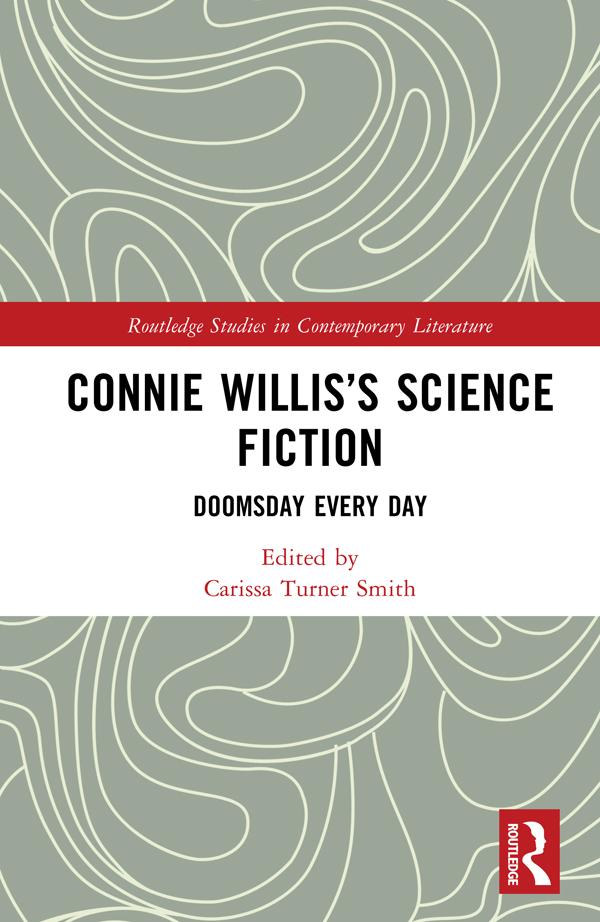
In spite of Connie Willis’s numerous science fiction awards and her groundbreaking history as a woman in the field, there is a surprising dearth of critical publication surrounding her work. Taking Doomsday Book as its cue, this collection argues that Connie Willis’s most famous novel, along with the rest of her oeuvre, performs science fiction’s task of cognitive estrangement by highlighting our human inability to read the times correctly—and yet also affirming the ethical imperative to attempt to truly observe and record our temporal location. Willis’s fiction emphasizes that doomsdays happen every day, and they risk being forgotten by some, even as their trauma repeats for others. However, disasters also have the potential to upend accepted knowledge and transform the social order for the better, and this collection considers the ways that Willis pairs comic and tragic modes to reflect these uncertainties.
Pay easily by card, Klarna, Apple Pay or Google Pay. Not happy? You always have a 14-day money-back guarantee. Read more in our terms. If you have any questions, email us at hello@memmo.org.
Memmo makes studying easier – wherever you are in the world. We bring your course books and smart study tools together in one place: summaries, quizzes, podcasts and flashcards. Plus Ted, your study buddy who answers anything you wonder. Over 50,000 students already study here – built to help you learn faster and stress less.