
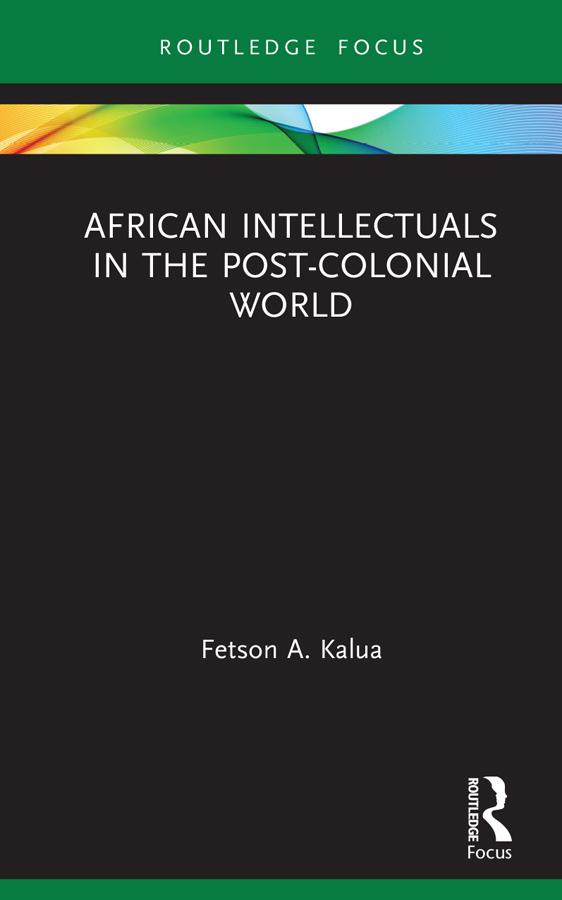
This book examines the role of African intellectuals in the years since the end of colonialism, studying the contribution that has been made by such individuals, both to political causes and to development within Africa.
Studying the concept of the "intellectual" within an African context, this book explores the responses of such individuals to crucial issues, such as cultural identity and knowledge production. The author argues that since the end of colonialism in Africa, various, often intertwining, factors, such as nationalism and co-option, have been used by black politicians or the political elites to muddle the roles and functions of black African intellectuals. Focusing on these confused roles and functions, the book posits that, over the years, most intellectuals in Africa have found the practice of "cheerleading" for a political cause more productive than making valuable contributions towards dynamic and progressive leadership in their countries.
This book will be of interest to students and scholars of African studies, politics, and development studies.
Pay easily by card, Klarna, Apple Pay or Google Pay. Not happy? You always have a 14-day money-back guarantee. Read more in our terms. If you have any questions, email us at hello@memmo.org.
Memmo makes studying easier – wherever you are in the world. We bring your course books and smart study tools together in one place: summaries, quizzes, podcasts and flashcards. Plus Ted, your study buddy who answers anything you wonder. Over 50,000 students already study here – built to help you learn faster and stress less.