
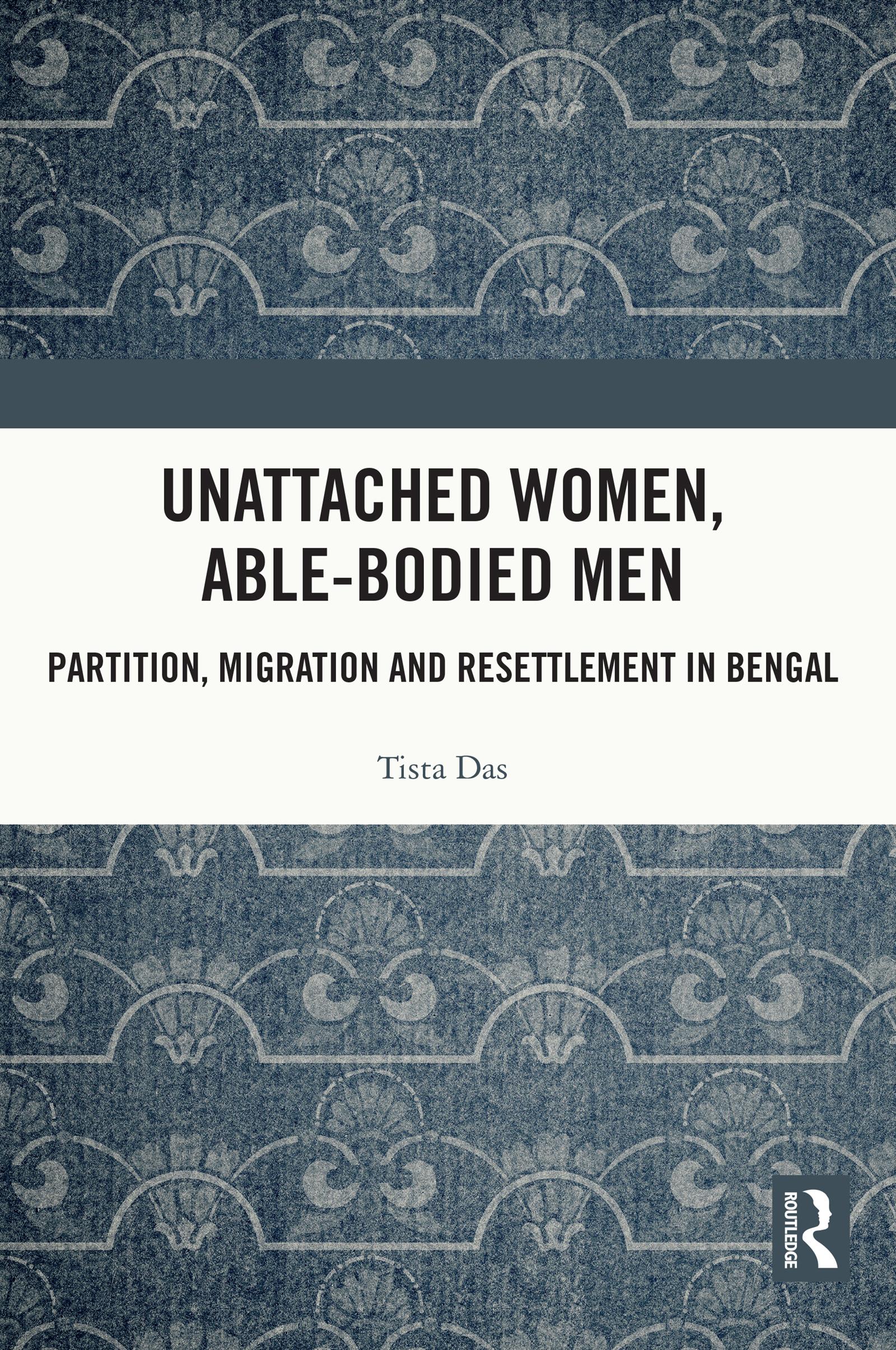
This book is one of the few gendered histories of the Partition experience in Bengal. Tracing the afterlife of the Partition in Bengal through the gendered experience of displacement and resettlement, it analyses the spatial reconfigurations that were brought about.
Drawing heavily on police records, private papers, newspapers and memoirs, this work enters the realm of personal time in the lives of the migrant and refugee and follows them to see how the spaces that they inhabited, the city of Calcutta and its suburbs, were transformed to accommodate them and imposed with new meanings and one might say, new borders. It highlights how ‘fear’ came to be the dominant emotion associated with the migrants’ flight, how it was subsequently politicized and how it became the cornerstone of the refugees’ bargaining with the state. Furthermore, it focuses on how the state, in its attempt to become a charitable institution, put in place a gendered structure of relief and later, rehabilitation. This work also shows how camps and colonies became the sites of political contestation, how the refugees found a brand of Leftist politics particularly useful for their purpose and how it became the cornerstone of their newfound identity.
A major intervention in Partition studies, the volume will be of great interest to scholars and researchers of South Asian history, migration and diaspora studies, gender studies and politics.
Pay easily by card, Klarna, Apple Pay or Google Pay. Not happy? You always have a 14-day money-back guarantee. Read more in our terms. If you have any questions, email us at hello@memmo.org.
Memmo makes studying easier – wherever you are in the world. We bring your course books and smart study tools together in one place: summaries, quizzes, podcasts and flashcards. Plus Ted, your study buddy who answers anything you wonder. Over 50,000 students already study here – built to help you learn faster and stress less.