
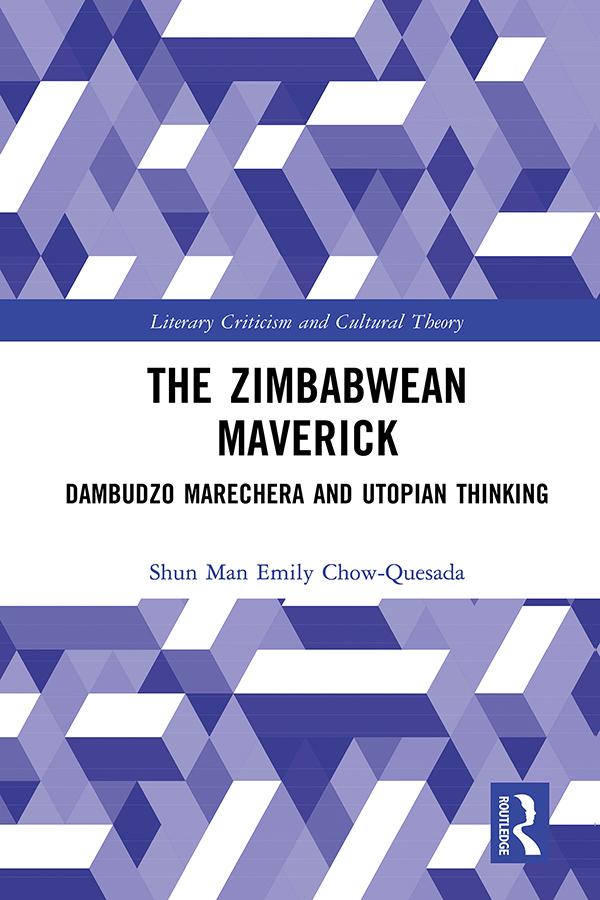
This book seeks to unfold the complexity within the works of Dambudzo Marechera and presents scholars and readers with a way of reading his works in light of utopian thinking. Writing during a traumatic transitional period in Zimbabwe’s history, Marechera witnessed the upheavals caused by different parties battling for power in the nation. Aware of the fact that all institutionalized narratives – whether they originated from the colonial governance of the UK, Ian Smith’s white minority regime, or Zimbabwe’s revolutionary parties – appeal to visions of a utopian society but reveal themselves to be fiction, Marechera imagined a unique utopia. For Marechera, utopia is not a static entity but a moment of perpetual change. He rethinks utopia by phrasing it as an ongoing event that ceaselessly contests institutionalized narratives of the postcolonial self and its relationship to society. Marechera writes towards a vision of an alternative future for the country. Yet, it is a vision that does not constitute a fully rounded sense of utopia. Being cautious about the world and the operation of power upon the people, rather than imposing his own utopian ideals, Marechera chooses instead to destabilize the narrative constitution of the self in relation to society in order to turn towards a truly radical utopian thinking that empowers the individual.
Pay easily by card, Klarna, Apple Pay or Google Pay. Not happy? You always have a 14-day money-back guarantee. Read more in our terms. If you have any questions, email us at hello@memmo.org.
Memmo makes studying easier – wherever you are in the world. We bring your course books and smart study tools together in one place: summaries, quizzes, podcasts and flashcards. Plus Ted, your study buddy who answers anything you wonder. Over 50,000 students already study here – built to help you learn faster and stress less.