
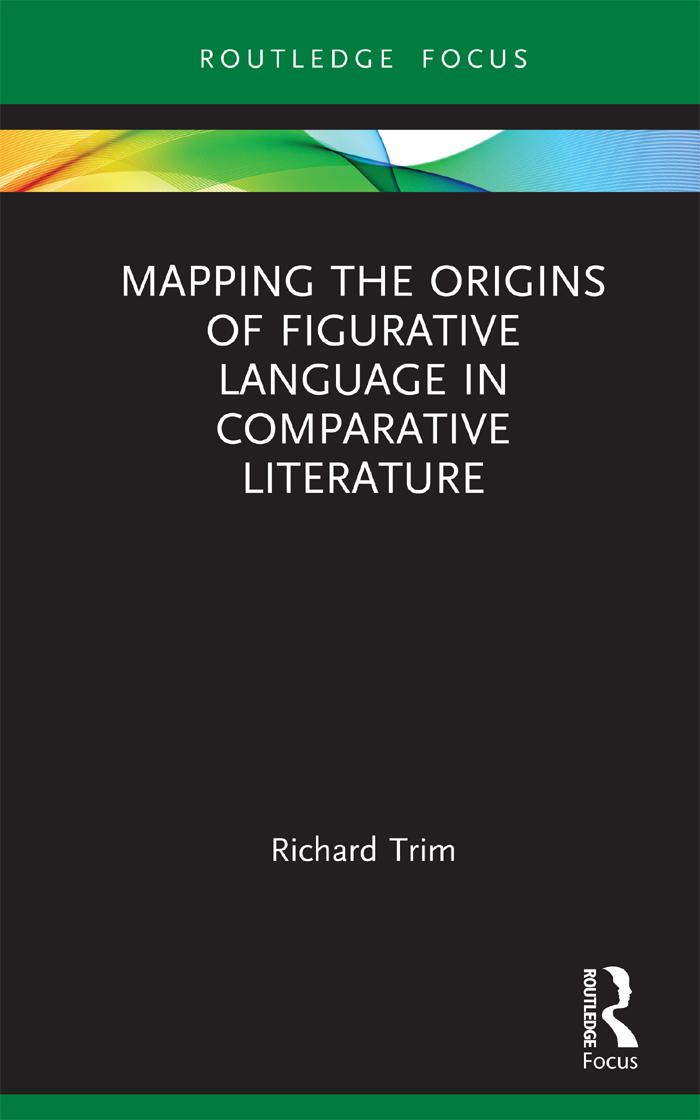
This book investigates the origins of figurative language in literary discourse within a cognitive framework. It represents an interface between linguistics and literature and develops a 6-tier theoretical model which analyses the different factors contributing to the creation of figurative words and expressions.
By examining features ranging from language structure to figurative thought, cultural history, reference, narrative and the personal experience of authors, it develops a global overview of the processes involved. Due to its particularly innovative characteristics in literature, the theme of death is explored in relation to universal concepts such as love and time. These aspects are discussed in the light of well-known authors in comparative literature such as D.H. Lawrence, Simone De Beauvoir, Hermann Hesse and Jorge Luis Borges. The origins can involve complex conceptual mappings in figures of speech such as metaphor and symbolism. They are often at the roots of an author’s personal desires or represent the search for answers to human existence.
This approach offers a wide variety of new ideas and research possibilities for postgraduate and research students in modern languages, linguistics and literature. It would also be of interest to academic researchers in these disciplines as well as the general public who would like to delve deeper into the relevant fields.
Pay easily by card, Klarna, Apple Pay or Google Pay. Not happy? You always have a 14-day money-back guarantee. Read more in our terms. If you have any questions, email us at hello@memmo.org.
Memmo makes studying easier – wherever you are in the world. We bring your course books and smart study tools together in one place: summaries, quizzes, podcasts and flashcards. Plus Ted, your study buddy who answers anything you wonder. Over 50,000 students already study here – built to help you learn faster and stress less.