
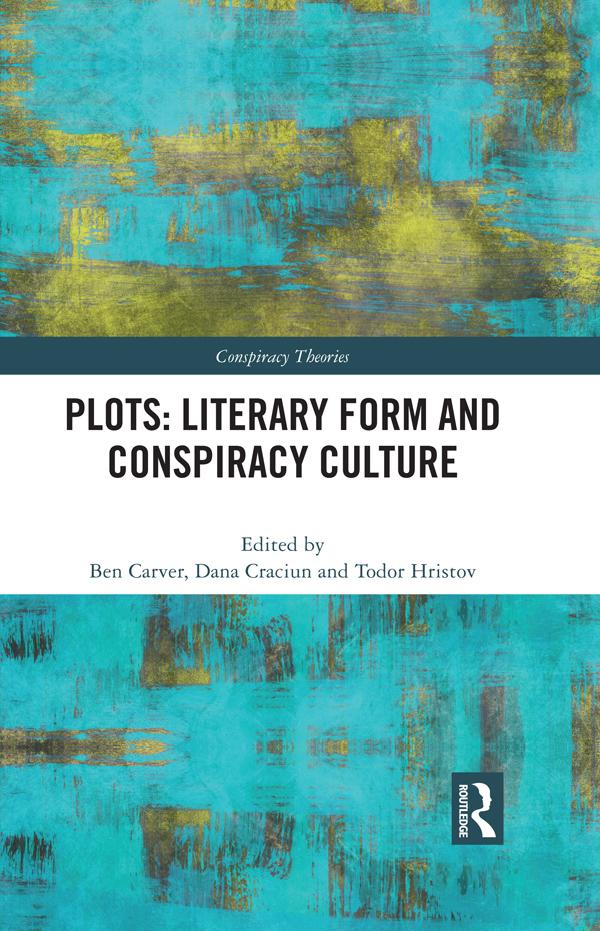
This edited collection contributes to the study of conspiracy culture by analysing the relationship of literary forms to the formation, reception, and transformation of conspiracy theories.
Conspiracy theories are narratives, and their narrative form provides the structure within which their ‘readers’ situate themselves when interpreting the world and its history. At the same time, conspiracist interpretations of the world may then be transmediated into works of literature and import popular discourse into narrative structures. The suppression and disappearance of books themselves may generate conspiracy theories and become co-opted into political dissent. Additionally, literary criticism itself is shown to adopt conspiracist modes of interpretation. By examining conspiracy plots as literary plots, with narrative, rhetorical, and symbolic characteristics, this volume is the first systematic study of how conspiracy culture in American and European history is the consequence of its interactions with literature.
This book will be of great interest to researchers of conspiracy theories, literature, and literary criticism.
Pay easily by card, Klarna, Apple Pay or Google Pay. Not happy? You always have a 14-day money-back guarantee. Read more in our terms. If you have any questions, email us at hello@memmo.org.
Memmo makes studying easier – wherever you are in the world. We bring your course books and smart study tools together in one place: summaries, quizzes, podcasts and flashcards. Plus Ted, your study buddy who answers anything you wonder. Over 50,000 students already study here – built to help you learn faster and stress less.