
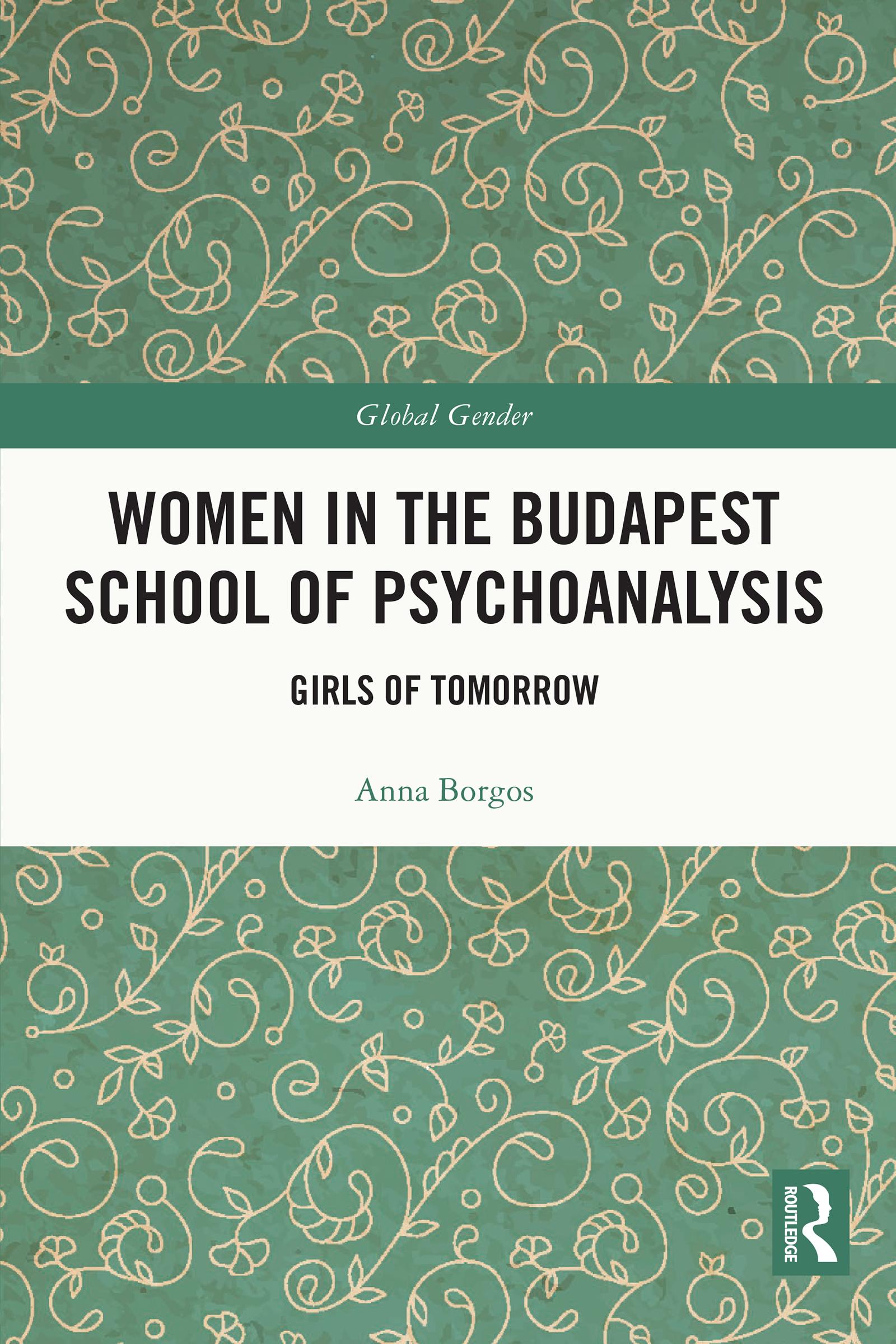
This book explores the life, scholarly oeuvre and intellectual connections of the significant "first generation" Hungarian female psychoanalysts, situating their lives within the wider context of social history and the history of psychoanalysis.
Budapest was one of the main centres of psychoanalysis in the early 20th century – in a period which was also central regarding women’s changing roles and possibilities. Favourable social circumstances met a new, freshly developing profession’s need for receptive followers regardless of their sex. This book shines a light on the social and professional factors on the life and work of these first women psychoanalysts, examining documentary evidence of their lives and drawing upon the literature of psychoanalysis, social history, and gender studies. Through their life stories, not only the history of psychoanalysis, but also the processes of 20th-century women’s history and social-political developments in Hungary and the region can be reconstructed. Key psychoanalysts explored include Lilly Hajdu, Edit Gyömrői, Alice Bálint, Vilma Kovács, Lillián Rotter and twelve further women analysts.
This important book will be of interest to researchers in gender studies, the history of psychoanalysis, women’s and gender history, and Eastern European history.
Pay easily by card, Klarna, Apple Pay or Google Pay. Not happy? You always have a 14-day money-back guarantee. Read more in our terms. If you have any questions, email us at hello@memmo.org.
Memmo makes studying easier – wherever you are in the world. We bring your course books and smart study tools together in one place: summaries, quizzes, podcasts and flashcards. Plus Ted, your study buddy who answers anything you wonder. Over 50,000 students already study here – built to help you learn faster and stress less.