
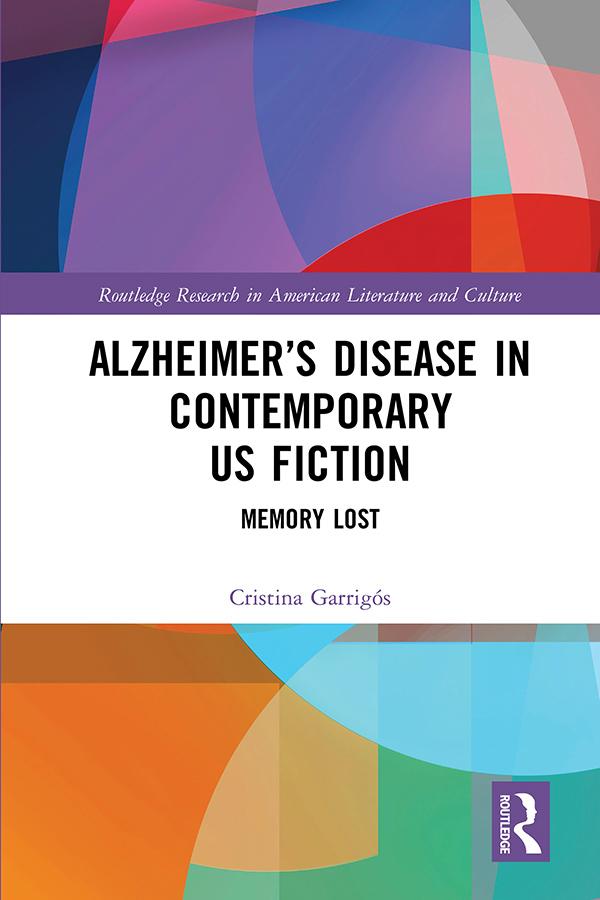
This volume seeks to bring readers to a deeper understanding of contemporary cultural and social configurations of Alzheimer’s disease by analyzing 21st-century U.S. novels in which the disease plays a key narrative role.
Via analysis of selected works, Garrigós considers how the erasure of memory in a person with Alzheimer’s affects our idea of the identity of that person and their sense of belonging to a group. Starting out from three different types of memory (individual, social and cultural), the study focuses on the narrative strategies that authors use to configure how the disease is perceived and represented.
This study is significant not only because of what the texts reveal about those with Alzheimer’s, but also for what they say about us - about the authors and readers who are producing and consuming these texts, about how we see this disease, and what our attitudes to it say about contemporary U.S. society.
Pay easily by card, Klarna, Apple Pay or Google Pay. Not happy? You always have a 14-day money-back guarantee. Read more in our terms. If you have any questions, email us at hello@memmo.org.
Memmo makes studying easier – wherever you are in the world. We bring your course books and smart study tools together in one place: summaries, quizzes, podcasts and flashcards. Plus Ted, your study buddy who answers anything you wonder. Over 50,000 students already study here – built to help you learn faster and stress less.