
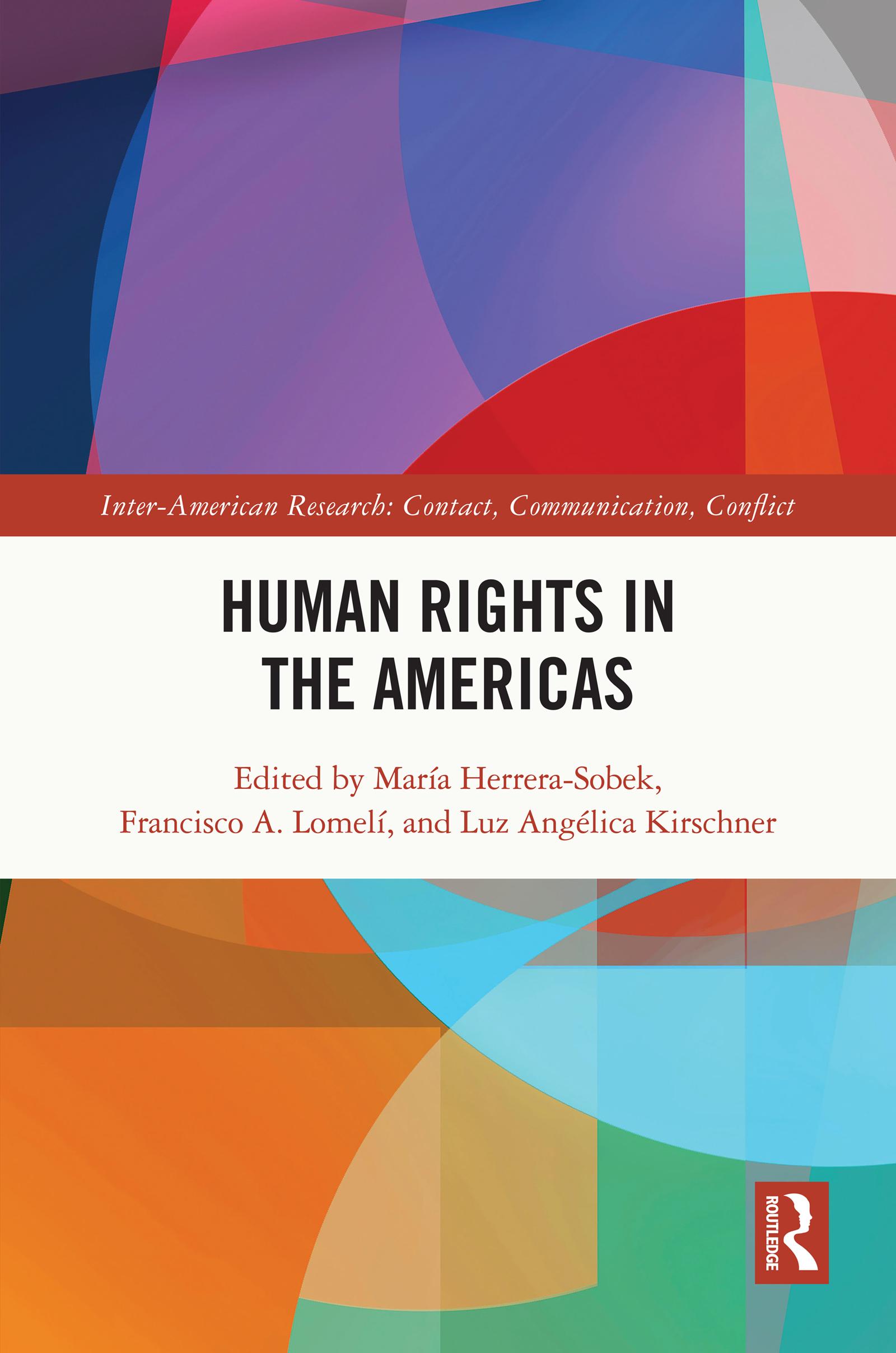
This interdisciplinary book explores human rights in the Americas from multiple perspectives and fields. Taking 1492 as a point of departure, the text explores Eurocentric historiographies of human rights and offer a more complete understanding of the genealogy of the human rights discourse and its many manifestations in the Americas.
The essays use a variety of approaches to reveal the larger contexts from which they emerge, providing a cross-sectional view of subjects, countries, methodologies and foci explicitly dedicated toward understanding historical factors and circumstances that have shaped human rights nationally and internationally within the Americas. The chapters explore diverse cultural, philosophical, political and literary expressions where human rights discourses circulate across the continent taking into consideration issues such as race, class, gender, genealogy and nationality. While acknowledging the ongoing centrality of the nation, the volume promotes a shift in the study of the Americas as a dynamic transnational space of conflict, domination, resistance, negotiation, complicity, accommodation, dialogue, and solidarity where individuals, nations, peoples, institutions, and intellectual and political movements share struggles, experiences, and imaginaries.
It will be of interest to all scholars and students of InterAmerican studies and those from all disciplines interested in Human Rights.
Pay easily by card, Klarna, Apple Pay or Google Pay. Not happy? You always have a 14-day money-back guarantee. Read more in our terms. If you have any questions, email us at hello@memmo.org.
Memmo makes studying easier – wherever you are in the world. We bring your course books and smart study tools together in one place: summaries, quizzes, podcasts and flashcards. Plus Ted, your study buddy who answers anything you wonder. Over 50,000 students already study here – built to help you learn faster and stress less.