
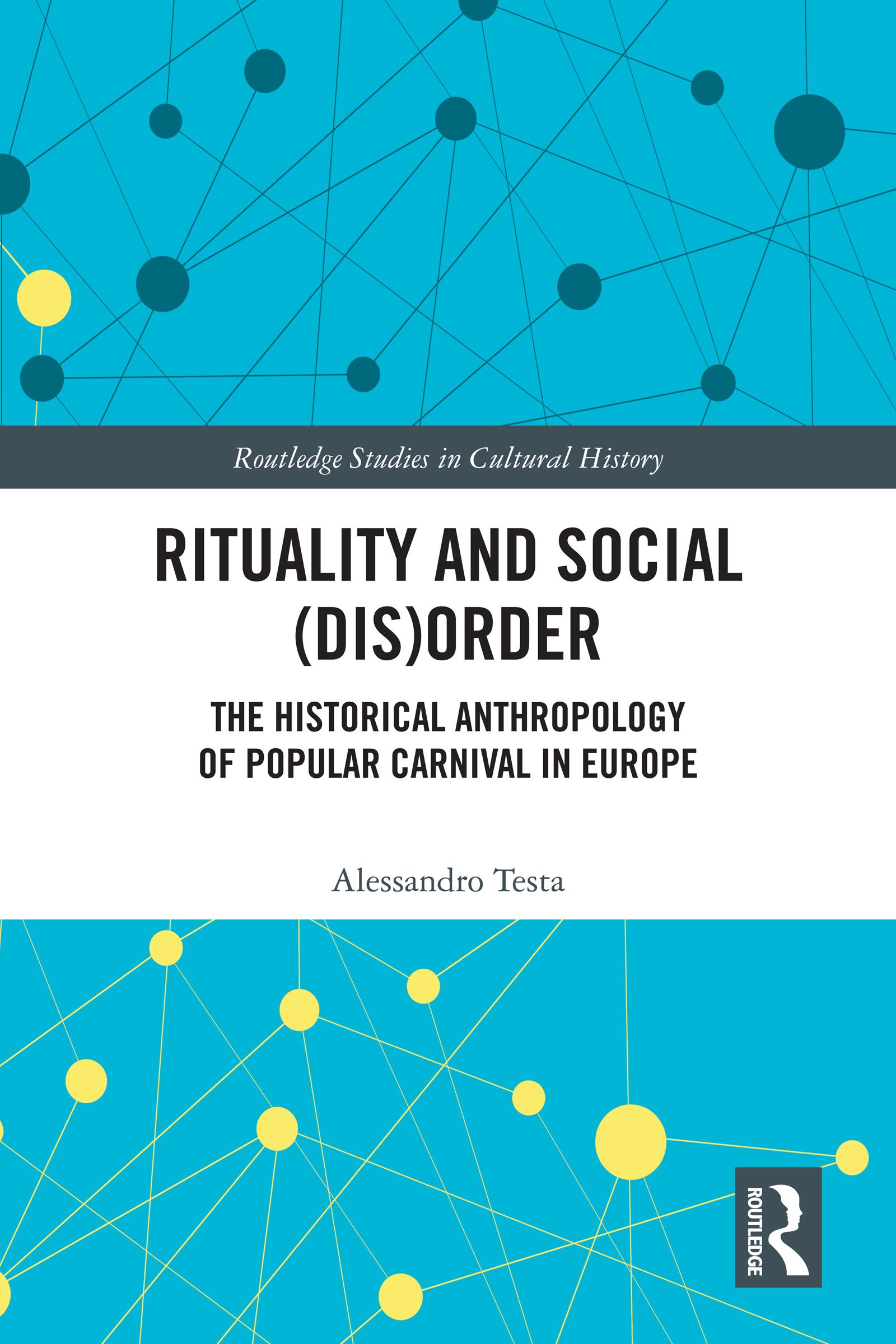
Carnival has been described as one of the foundational elements of European culture, bearing an emblematic and iconic status as the festive phenomenon par excellence. Its origins are partly obscure, but its stratified and complex history, rich symbolic diversity, and sundry social configurations make it an exceptional object of cultural analysis.
The product of more than 12 years of research, this book is the first comparative historical anthropology of popular European Carnival in the English language, with a focus on its symbolic, religious, and political dimensions and transformations throughout the centuries. It builds on a variety of theories of social change and social structures, questioning existing assumptions about what folklore is and how cultural gaps and differences take shape and reproduce through ritual forms of collective action. It also challenges recent interpretations about the performative and political dimension of European festive culture, especially in its carnivalesque declension.
While presenting and exploring the most important features and characteristics of European pre-modern Carnival and discussing its origins and developments, this thorough study offers fresh evidence and up-to-date analyses about its transversal and long-lasting significance in European societies.
Pay easily by card, Klarna, Apple Pay or Google Pay. Not happy? You always have a 14-day money-back guarantee. Read more in our terms. If you have any questions, email us at hello@memmo.org.
Memmo makes studying easier – wherever you are in the world. We bring your course books and smart study tools together in one place: summaries, quizzes, podcasts and flashcards. Plus Ted, your study buddy who answers anything you wonder. Over 50,000 students already study here – built to help you learn faster and stress less.