
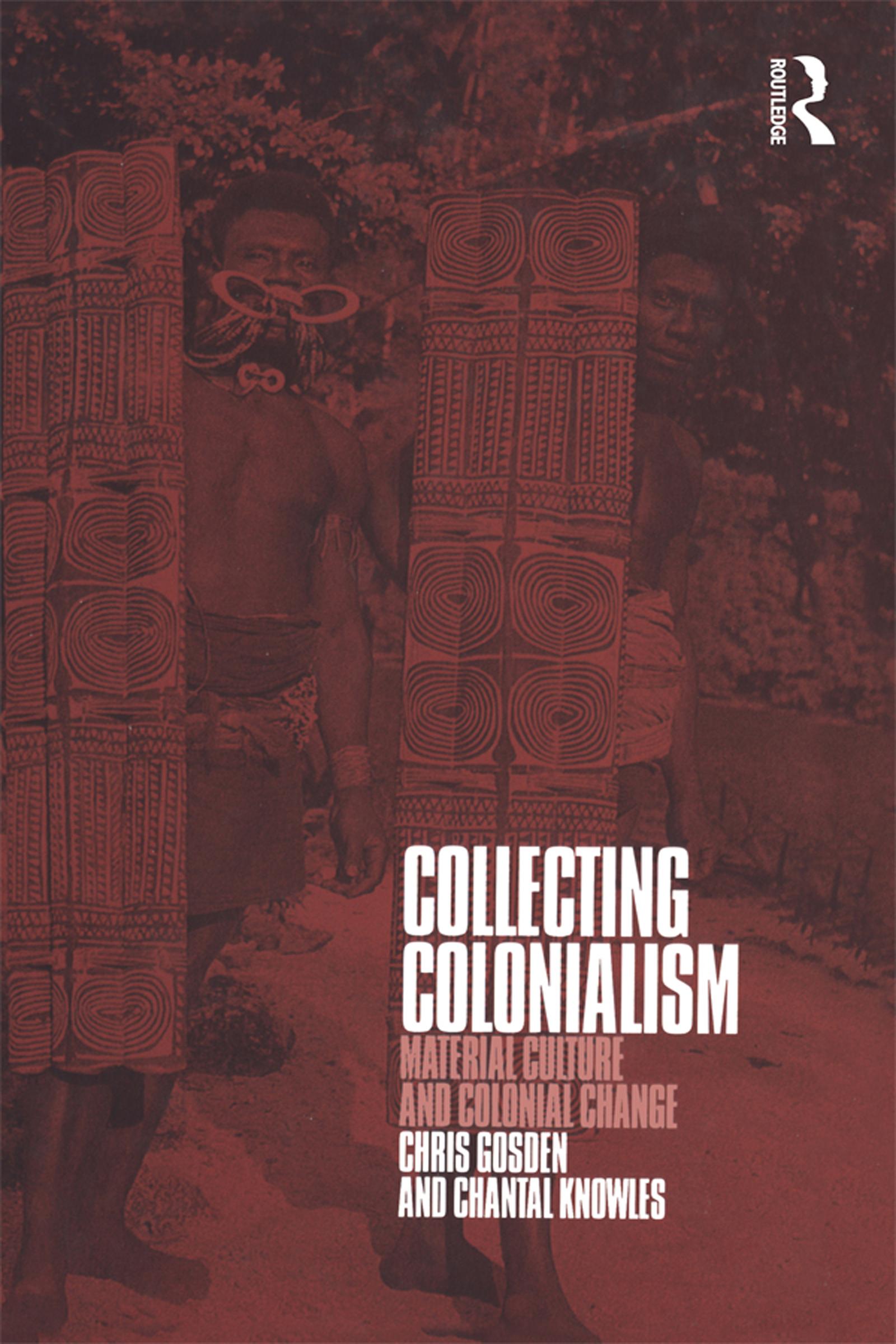
Colonialism has shaped the world we live in today and has often been studied at a global level, but there is less understanding of how colonial relations operated locally. This book takes twentieth-century Papua New Guinea as its focus, and charts the changes in colonial relationships as they were expressed through the flow of material culture. Exploring the links between colonialism and material culture in general, the authors focus on the particular insights that museum collections can provide into social relations. Collections made by anthropologists in New Britain in the first half of the century are compared with recent fieldwork in the area to provide a particularly in-depth picture of historical change. Museum collections can reveal how people dealt with changes in the nature of community, gender relations and notions of power through the shifting use of objects in ritual and exchange. Objects, photographs and archives bring to life both the individual characters of colonial New Britain and the longer-term patterns of history. Drawing on the related disciplines of archaeology, linguistics, history and anthropology, the authors provide fresh insights into the complexities of colonial life. In particular, they show how social relationships among Melanesians, whites and other communities helped to erode distinctions between colonizers and locals, distinctions that have been maintained by scholars of colonialism in the past. This book successfully combines a specific geographical focus with an interest in the broader questions that surround colonial relations, historical change and the history of anthropology.
Pay easily by card, Klarna, Apple Pay or Google Pay. Not happy? You always have a 14-day money-back guarantee. Read more in our terms. If you have any questions, email us at hello@memmo.org.
Memmo makes studying easier – wherever you are in the world. We bring your course books and smart study tools together in one place: summaries, quizzes, podcasts and flashcards. Plus Ted, your study buddy who answers anything you wonder. Over 50,000 students already study here – built to help you learn faster and stress less.
You might also like
Buy the book0