
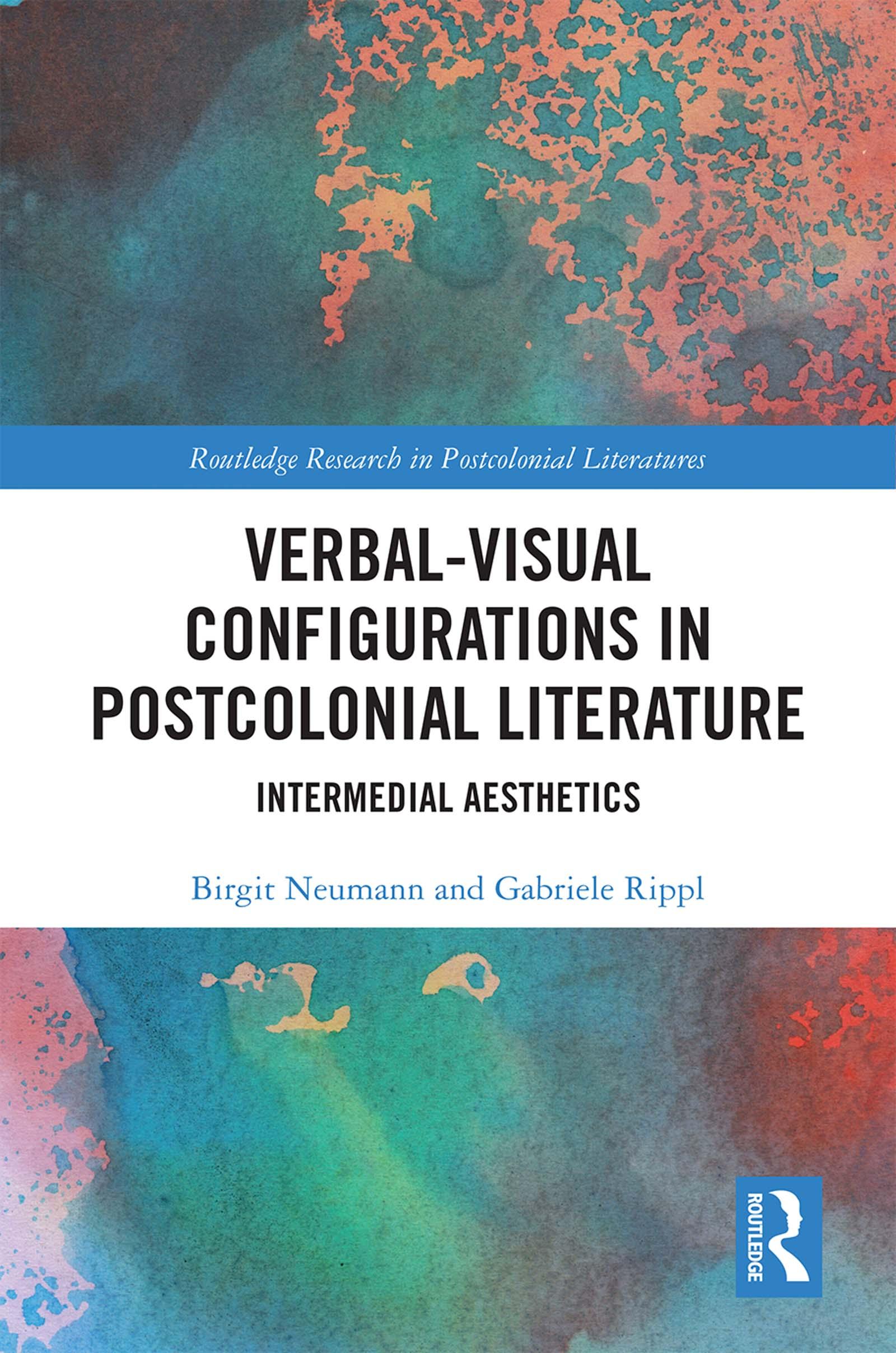
Examining a range of contemporary Anglophone texts, this book opens up postcolonial and transcultural studies for discussions of visuality and vision. It argues that the preoccupation with visual practices in Anglophone literatures addresses the power of images, vision and visual aesthetics to regulate cultural visibility and modes of identification in an unevenly structured world. The representation of visual practices in the imaginative realm of fiction opens up a zone in which established orders of the sayable and visible may be revised and transformed. In 12 chapters, the book examines narrative fiction by writers such as Michael Ondaatje, Derek Walcott, Salman Rushdie, David Dabydeen and NoViolet Bulawayo, who employ word-image relations to explore the historically fraught links between visual practices and the experience of modernity in a transcultural context. Against this conceptual background, the examination of verbal-visual relations will illustrate how Anglophone fiction models alternative modes of re-presentation that reflect critically on hegemonic visual regimes and reach out for new, more pluralized forms of exchange.
Pay easily by card, Klarna, Apple Pay or Google Pay. Not happy? You always have a 14-day money-back guarantee. Read more in our terms. If you have any questions, email us at hello@memmo.org.
Memmo makes studying easier – wherever you are in the world. We bring your course books and smart study tools together in one place: summaries, quizzes, podcasts and flashcards. Plus Ted, your study buddy who answers anything you wonder. Over 50,000 students already study here – built to help you learn faster and stress less.