
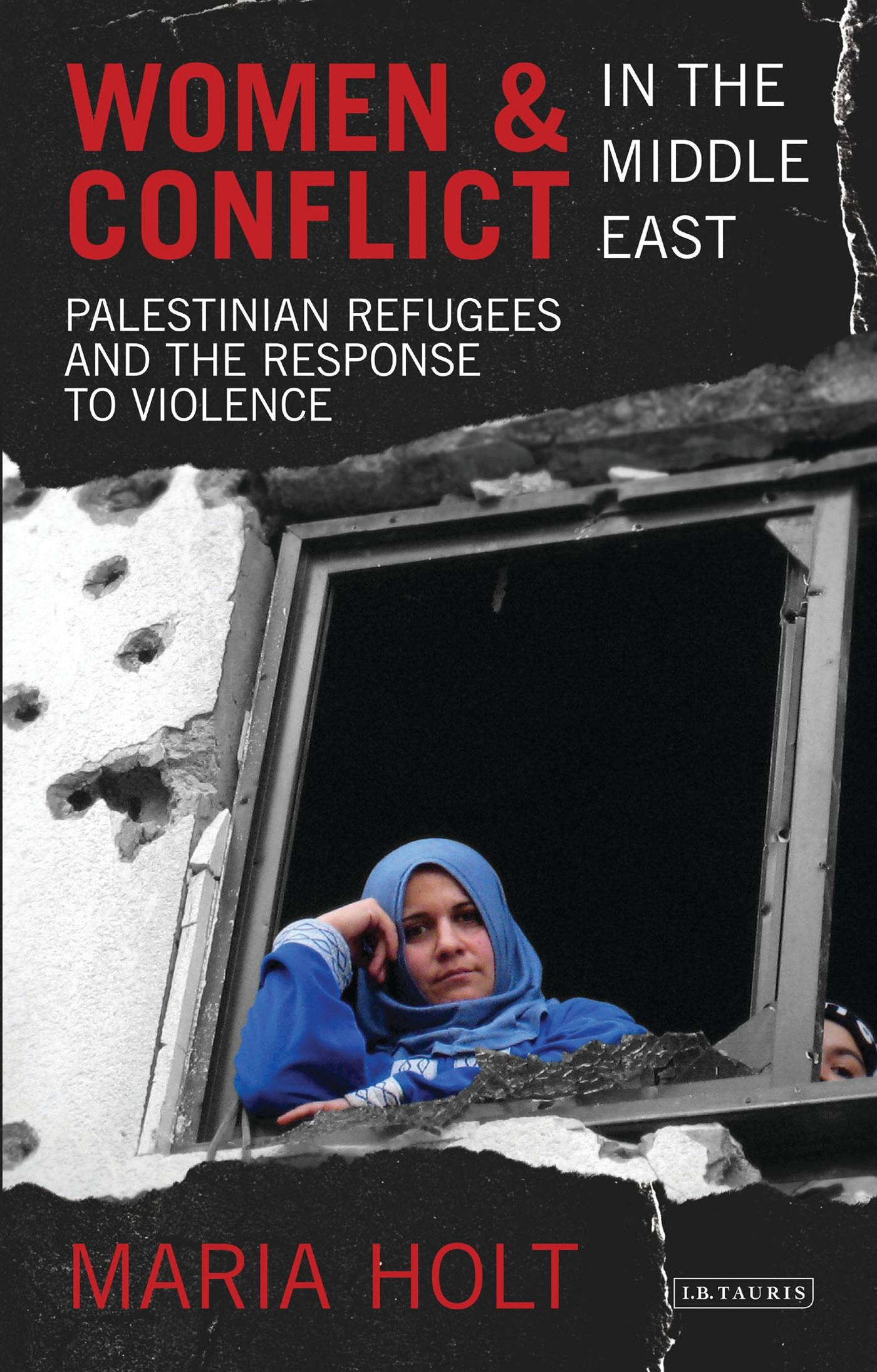
Women in conflict zones face a wide range of violence from a variety of sources: from physical and psychological trauma to political, economic and social disadvantage. Maria Holt uses her research gathered in the Palestinian refugee camps of Lebanon and in the West Bank to look at the forms and effects of violence suffered by women in the context of the wider conflict around them. After the creation of the State of Israel in 1948, Palestinian refugees fled over the border into Lebanon, and in the wake of tumult in other host states, such as Jordan, many more sought refuge there. Today more than 400,000 Palestinians reside in Lebanon, and the theme of violence is one that informs their daily life. Holt explores these varying forms of violence, including physical personal violence and the violence of war as well as the more symbolic violence of the disintegration of daily life and erasure of homeland, furthermore highlighting ongoing exclusion and isolation Palestinians are subjected to by the Lebanese state. Nevertheless, this condition of being - but not belonging - in Lebanon has influenced refugees' perceptions of themselves.
Holt therefore analyses the daily life of Palestinians, recognising the unique community that has emerged in response to exile. In an atmosphere of violence, these refugees find coping mechanisms and appropriate strategies to counter the pressures of conflict. Adherence to religious belief and valued traditional practices, as well as involvement in political and welfare activities and, on occasion, militant activism, are some of the methods employed by women. With its systematic examination of forms of violence as well as an appreciation of daily life in the refugee camps, Women and Conflict in the Middle East makes essential reading for students of the Israel-Palestine conflict as well as those interested in the gender dimension of violence.
Holt therefore analyses the daily life of Palestinians, recognising the unique community that has emerged in response to exile. In an atmosphere of violence, these refugees find coping mechanisms and appropriate strategies to counter the pressures of conflict. Adherence to religious belief and valued traditional practices, as well as involvement in political and welfare activities and, on occasion, militant activism, are some of the methods employed by women. With its systematic examination of forms of violence as well as an appreciation of daily life in the refugee camps, Women and Conflict in the Middle East makes essential reading for students of the Israel-Palestine conflict as well as those interested in the gender dimension of violence.
Pages: 288
Category: Kultur-, Genus- & Postkoloniala studier
e-ISBN: 9780857735966
Shipping weight: 1.2 kg
Ships in: 1-2 days
Pay easily by card, Klarna, Apple Pay or Google Pay. Not happy? You always have a 14-day money-back guarantee. Read more in our terms. If you have any questions, email us at hello@memmo.org.
Memmo makes studying easier – wherever you are in the world. We bring your course books and smart study tools together in one place: summaries, quizzes, podcasts and flashcards. Plus Ted, your study buddy who answers anything you wonder. Over 50,000 students already study here – built to help you learn faster and stress less.