
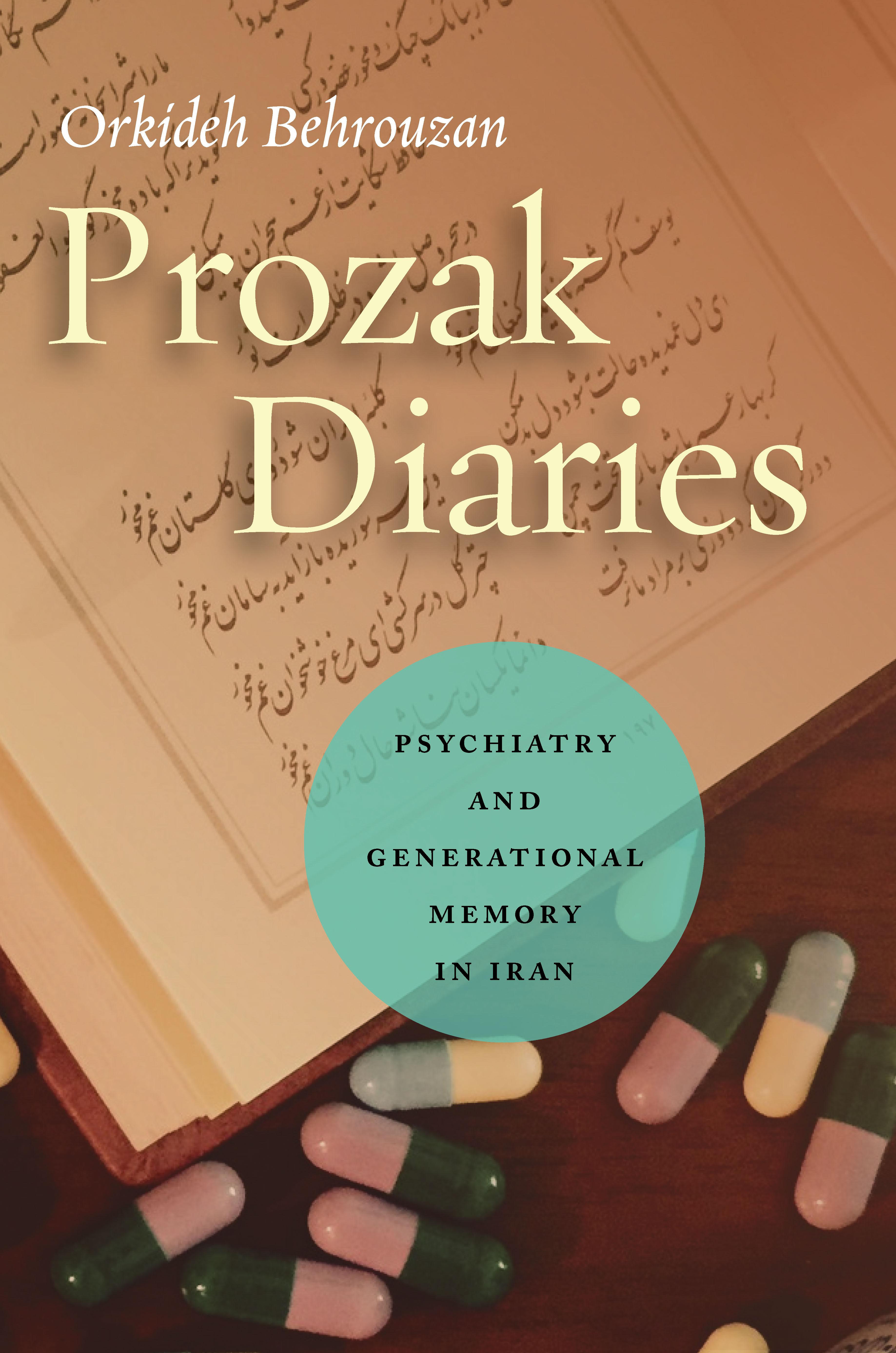
Prozak Diaries is an analysis of emerging psychiatric discourses in post-1980s Iran. It examines a cultural shift in how people interpret and express their feeling states, by adopting the language of psychiatry, and shows how experiences that were once articulated in the richly layered poetics of the Persian language became, by the 1990s, part of a clinical discourse on mood and affect. In asking how psychiatric dialect becomes a language of everyday, the book analyzes cultural forms created by this clinical discourse, exploring individual, professional, and generational cultures of medicalization in various sites from clinical encounters and psychiatric training, to intimate interviews, works of art and media, and Persian blogs. Through the lens of psychiatry, the book reveals how historical experiences are negotiated and how generations are formed.
Orkideh Behrouzan traces the historical circumstances that prompted the development of psychiatric discourses in Iran and reveals the ways in which they both reflect and actively shape Iranians' cultural sensibilities. A physician and an anthropologist, she combines clinical and anthropological perspectives in order to investigate the gray areas between memory and everyday life, between individual symptoms and generational remembering. Prozak Diaries offers an exploration of language as experience. In interpreting clinical and generational narratives, Behrouzan writes not only a history of psychiatry in contemporary Iran, but a story of how stories are told.
Pay easily by card, Klarna, Apple Pay or Google Pay. Not happy? You always have a 14-day money-back guarantee. Read more in our terms. If you have any questions, email us at hello@memmo.org.
Memmo makes studying easier – wherever you are in the world. We bring your course books and smart study tools together in one place: summaries, quizzes, podcasts and flashcards. Plus Ted, your study buddy who answers anything you wonder. Over 50,000 students already study here – built to help you learn faster and stress less.