
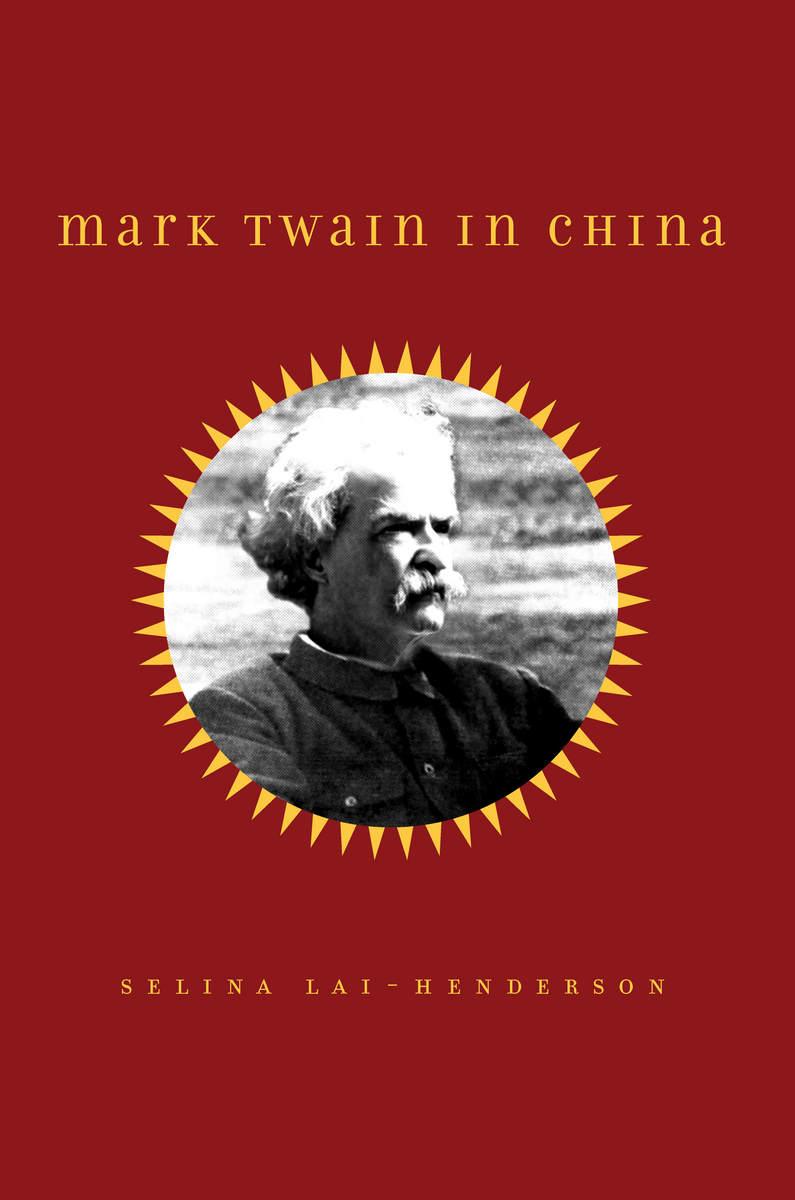
Mark Twain (Samuel Langhorne Clemens, 1835–1910) has had an intriguing relationship with China that is not as widely known as it should be. Although he never visited the country, he played a significant role in speaking for the Chinese people both at home and abroad. After his death, his Chinese adventures did not come to an end, for his body of works continued to travel through China in translation throughout the twentieth century. Were Twain alive today, he would be elated to know that he is widely studied and admired there, and that Adventures of Huckleberry Finn alone has gone through no less than ninety different Chinese translations, traversing China, Taiwan, and Hong Kong. Looking at Twain in various Chinese contexts—his response to events involving the American Chinese community and to the Chinese across the Pacific, his posthumous journey through translation, and China's reception of the author and his work, Mark Twain in China points to the repercussions of Twain in a global theater. It highlights the cultural specificity of concepts such as "race," "nation," and "empire," and helps us rethink their alternative legacies in countries with dramatically different racial and cultural dynamics from the United States.
Pay easily by card, Klarna, Apple Pay or Google Pay. Not happy? You always have a 14-day money-back guarantee. Read more in our terms. If you have any questions, email us at hello@memmo.org.
Memmo makes studying easier – wherever you are in the world. We bring your course books and smart study tools together in one place: summaries, quizzes, podcasts and flashcards. Plus Ted, your study buddy who answers anything you wonder. Over 50,000 students already study here – built to help you learn faster and stress less.