
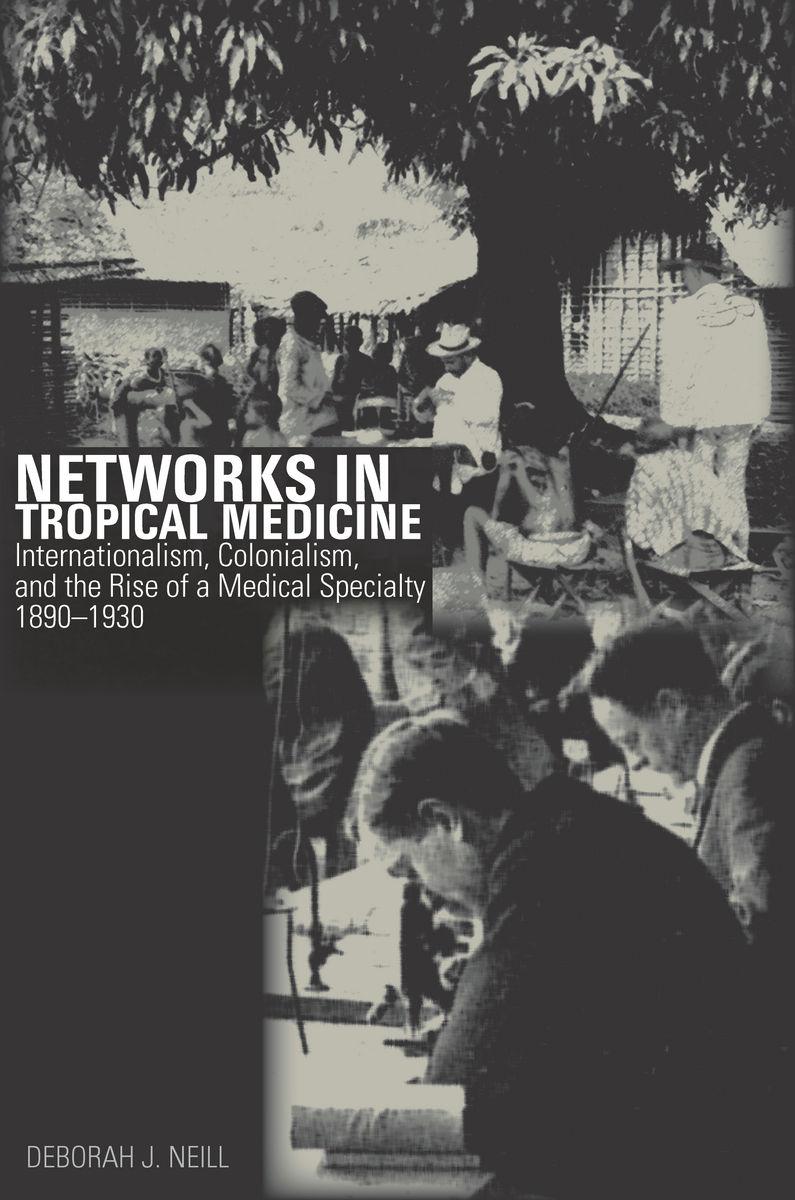
Networks in Tropical Medicine explores how European doctors and scientists worked together across borders to establish the new field of tropical medicine in the late nineteenth and early twentieth centuries. The book shows that this transnational collaboration in a context of European colonialism, scientific discovery, and internationalism shaped the character of the new medical specialty. Even in an era of intense competition among European states, practitioners of tropical medicine created a transnational scientific community through which they influenced each other and the health care that was introduced to the tropical world. One of the most important developments in the shaping of tropical medicine as a specialty was the major sleeping sickness epidemic that spread across sub-Saharan Africa at the turn of the century. The book describes how scientists and doctors collaborated across borders to control, contain, and find a treatment for the disease. It demonstrates that these medical specialists' shared notions of "Europeanness," rooted in common beliefs about scientific, technological, and racial superiority, led them to establish a colonial medical practice in Africa that sometimes oppressed the same people it was created to help.
Pay easily by card, Klarna, Apple Pay or Google Pay. Not happy? You always have a 14-day money-back guarantee. Read more in our terms. If you have any questions, email us at hello@memmo.org.
Memmo makes studying easier – wherever you are in the world. We bring your course books and smart study tools together in one place: summaries, quizzes, podcasts and flashcards. Plus Ted, your study buddy who answers anything you wonder. Over 50,000 students already study here – built to help you learn faster and stress less.