
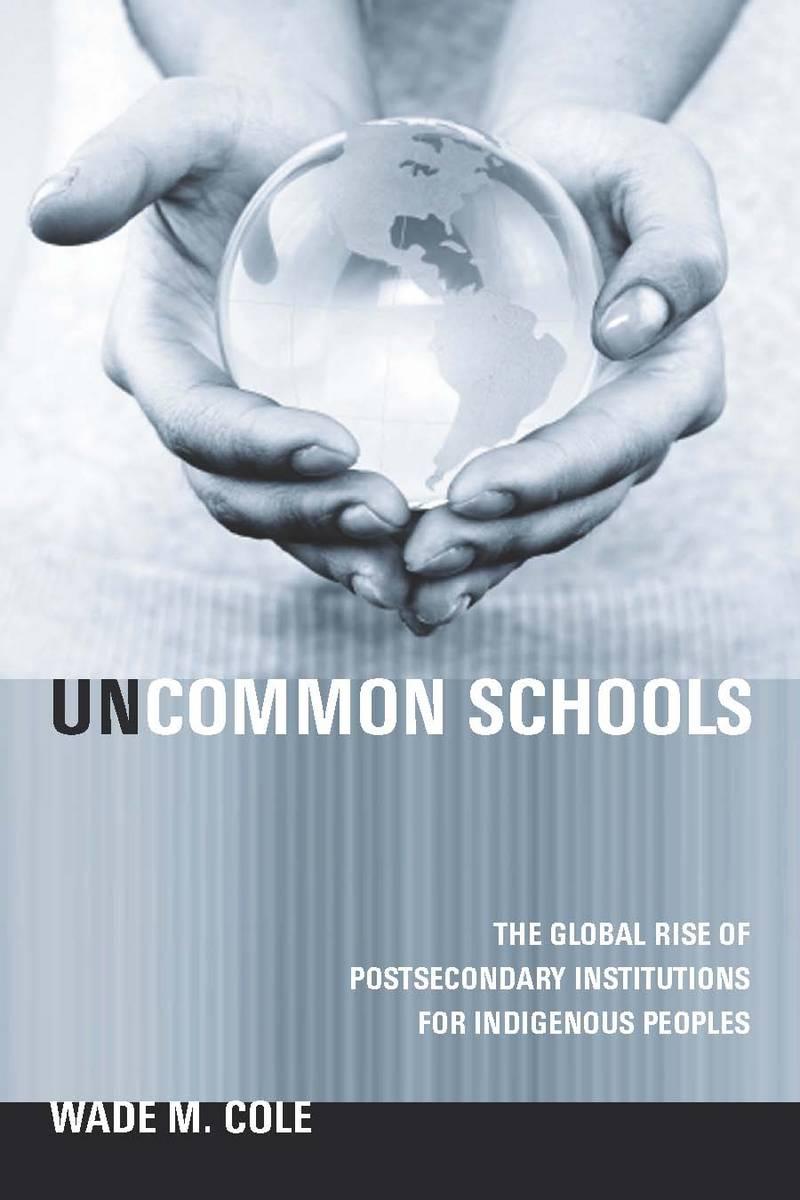
Postsecondary institutions for indigenous peoples emerged in the late 1960s, just as other special purpose colleges based on gender or race began to close. What accounts for the emergence of these distinctive institutions? Though indigenous students are among the least populous, the poorest, and the most educationally disadvantaged in the world, they differ from most other racial, ethnic, cultural, and linguistic minorities by virtue of their exceptional claims to sovereignty under international and domestic law.
Uncommon Schools explores the emergence of postsecondary institutions for indigenous peoples worldwide, with a focus on developments in the United States, Canada, Australia, and New Zealand. Providing the opportunity to examine larger social, political, and legal processes, it traces the incorporation of indigenous peoples into nation-states, the rise of a global indigenous rights movement, and the "massification" of postsecondary education while investigating the variety of ways these culturally relevant colleges differ from each other and from other postsecondary institutions.
Pay easily by card, Klarna, Apple Pay or Google Pay. Not happy? You always have a 14-day money-back guarantee. Read more in our terms. If you have any questions, email us at hello@memmo.org.
Memmo makes studying easier – wherever you are in the world. We bring your course books and smart study tools together in one place: summaries, quizzes, podcasts and flashcards. Plus Ted, your study buddy who answers anything you wonder. Over 50,000 students already study here – built to help you learn faster and stress less.