
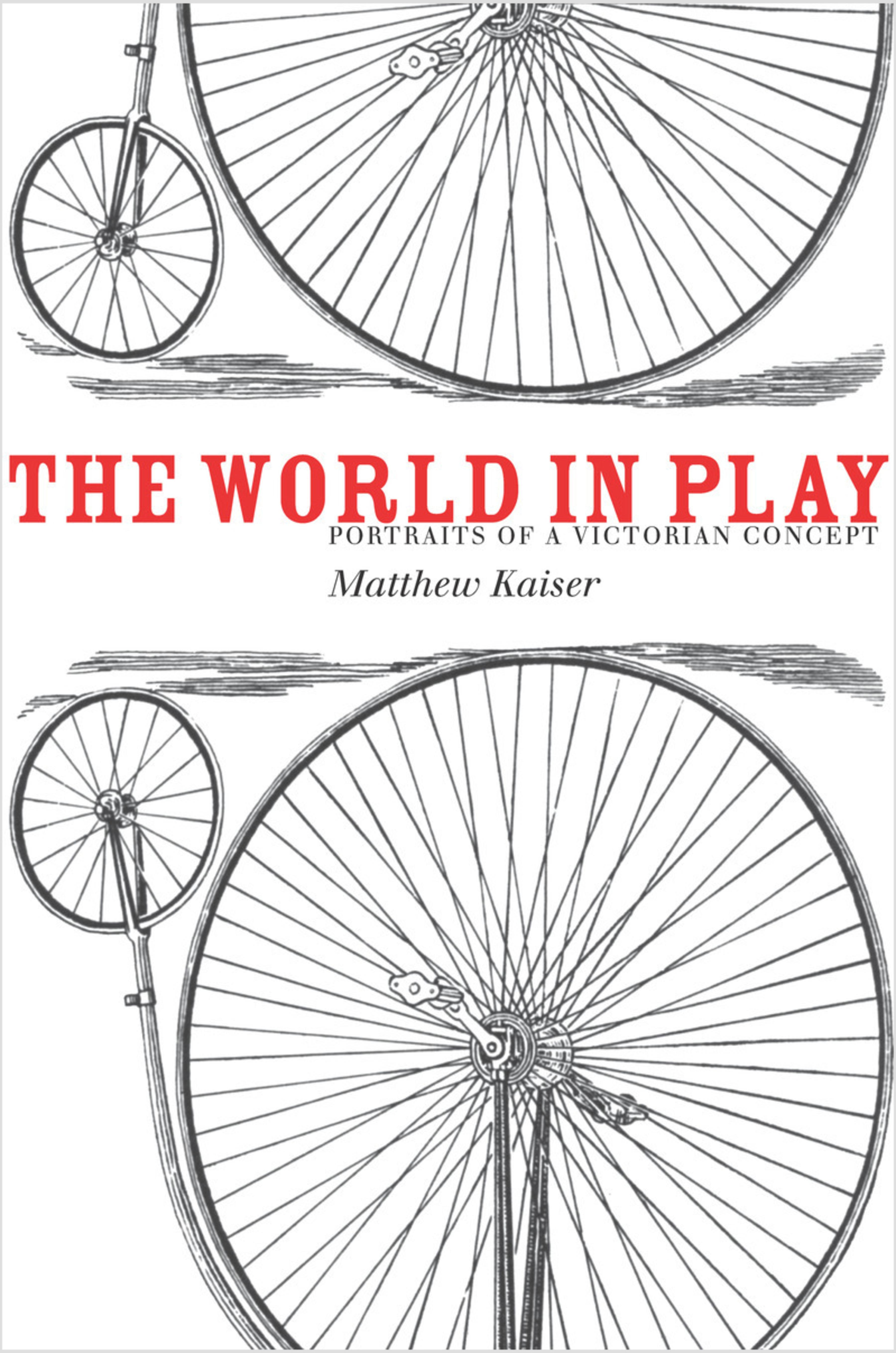
Nineteenth-century Britain was a world in play. The Victorians invented the weekend and built hundreds of parks and playgrounds. In the wake of Darwin, they re-imagined nature as a contest for survival. The playful child became a symbol of the future.
A world in play means two things: a world in flux and a world trapped, like Alice in Wonderland, in a ludic microcosm of itself. The book explores the extent to which play (competition, leisure, mischief, luck, festivity, imagination) pervades nineteenth-century literature and culture and forms the foundations of the modern self. Play made the Victorian world cohere and betrayed the illusoriness of that coherence. This is the paradox of modernity. Kaiser gives an account of how certain Victorian misfits—working-class melodramatists of the 1830s, the reclusive Emily Brontë, free spirits Robert Louis Stevenson and John Muir, mischievous Oscar Wilde—struggled to make sense of this new world. In so doing, they discovered the art of modern life.
Pay easily by card, Klarna, Apple Pay or Google Pay. Not happy? You always have a 14-day money-back guarantee. Read more in our terms. If you have any questions, email us at hello@memmo.org.
Memmo makes studying easier – wherever you are in the world. We bring your course books and smart study tools together in one place: summaries, quizzes, podcasts and flashcards. Plus Ted, your study buddy who answers anything you wonder. Over 50,000 students already study here – built to help you learn faster and stress less.