
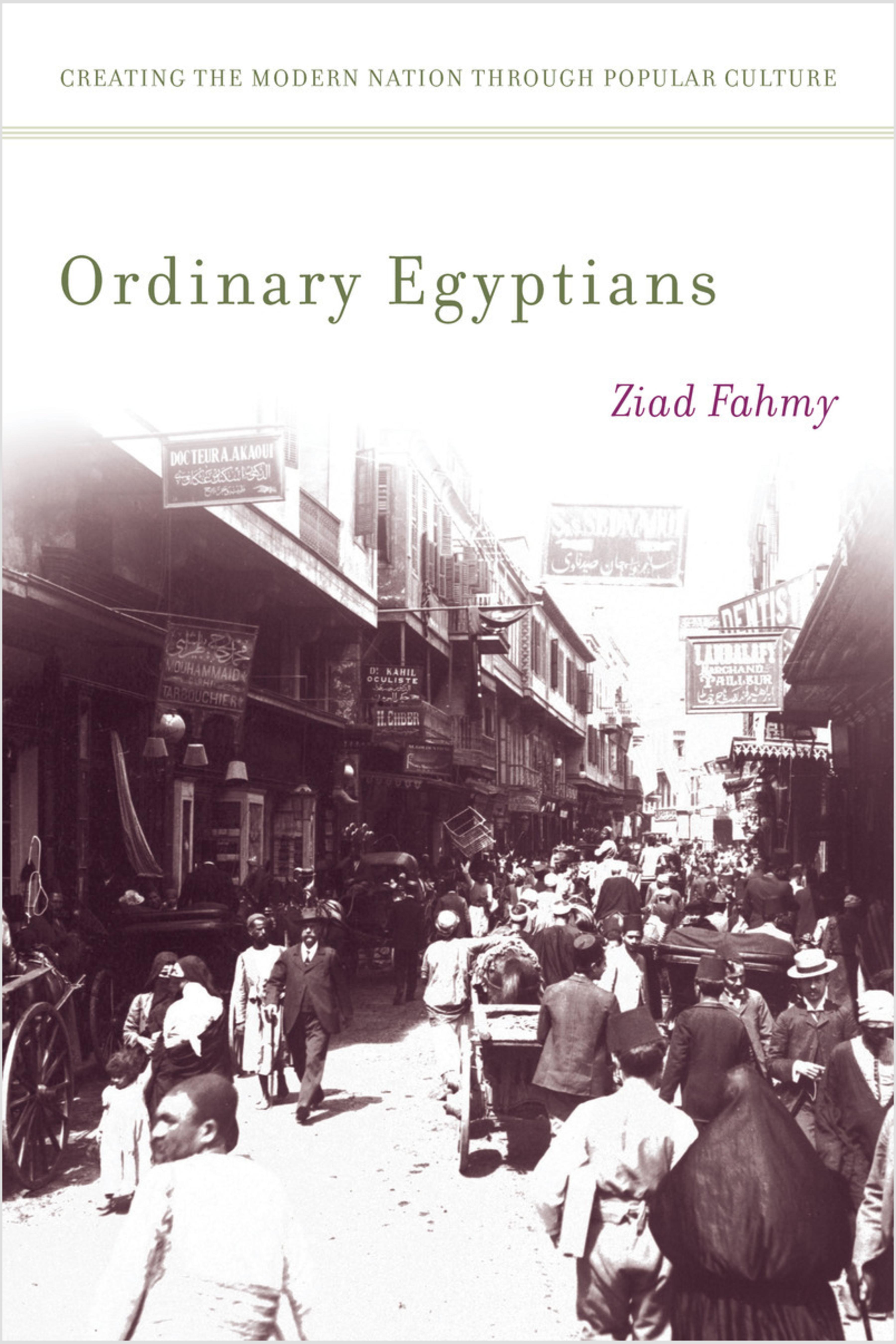
The popular culture of pre-revolution Egypt did more than entertain—it created a nation. Songs, jokes, and satire, comedic sketches, plays, and poetry, all provided an opportunity for discussion and debate about national identity and an outlet for resistance to British and elite authority. This book examines how, from the 1870s until the eve of the 1919 revolution, popular media and culture provided ordinary Egyptians with a framework to construct and negotiate a modern national identity.
Ordinary Egyptians shifts the typical focus of study away from the intellectual elite to understand the rapid politicization of the growing literate middle classes and brings the semi-literate and illiterate urban masses more fully into the historical narrative. It introduces the concept of "media-capitalism," which expands the analysis of nationalism beyond print alone to incorporate audiovisual and performance media. It was through these various media that a collective camaraderie crossing class lines was formed and, as this book uncovers, an Egyptian national identity emerged.
Pay easily by card, Klarna, Apple Pay or Google Pay. Not happy? You always have a 14-day money-back guarantee. Read more in our terms. If you have any questions, email us at hello@memmo.org.
Memmo makes studying easier – wherever you are in the world. We bring your course books and smart study tools together in one place: summaries, quizzes, podcasts and flashcards. Plus Ted, your study buddy who answers anything you wonder. Over 50,000 students already study here – built to help you learn faster and stress less.