
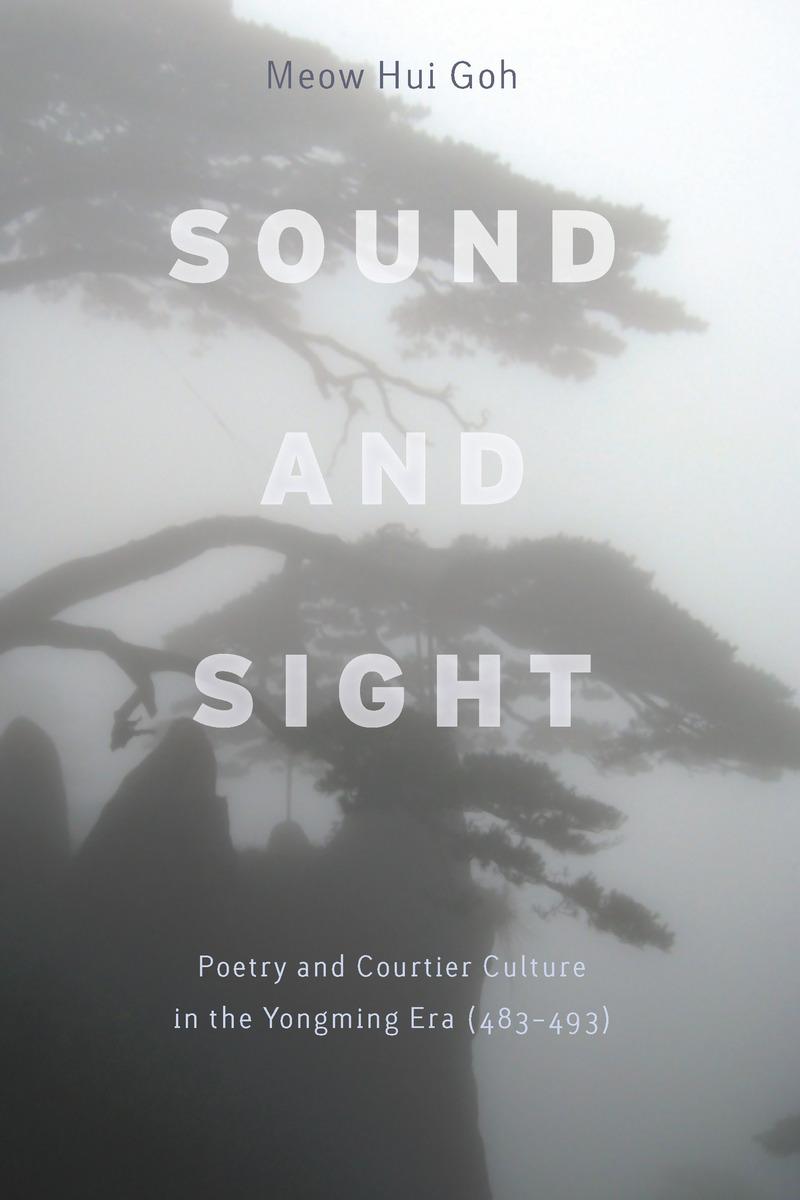
This is the first book to examine Chinese poetry and courtier culture using the concept of shengse—sound and sight—which connotes "sensual pleasure." Under the moral and political imperative to avoid or even eliminate representations of sense perception, premodern Chinese commentators treated overt displays of artistry with great suspicion, and their influence is still alive in modern and contemporary constructions of literary and cultural history.
The Yongming poets, who openly extolled "sound and rhymes," have been deemed the main instigators of a poetic trend toward the sensual. Situating them within the court milieu of their day, Meow Hui Goh asks a simple question: What did shengse mean to the Yongming poets? By unraveling the aural and visual experiences encapsulated in their poems, she argues that their pursuit of "sound and sight" reveals a complex confluence of Buddhist influence, Confucian value, and new sociopolitical conditions. Her study challenges the old perception of the Yongming poets and the common practice of reading classical Chinese poems for semantic meaning only.
Pay easily by card, Klarna, Apple Pay or Google Pay. Not happy? You always have a 14-day money-back guarantee. Read more in our terms. If you have any questions, email us at hello@memmo.org.
Memmo makes studying easier – wherever you are in the world. We bring your course books and smart study tools together in one place: summaries, quizzes, podcasts and flashcards. Plus Ted, your study buddy who answers anything you wonder. Over 50,000 students already study here – built to help you learn faster and stress less.