
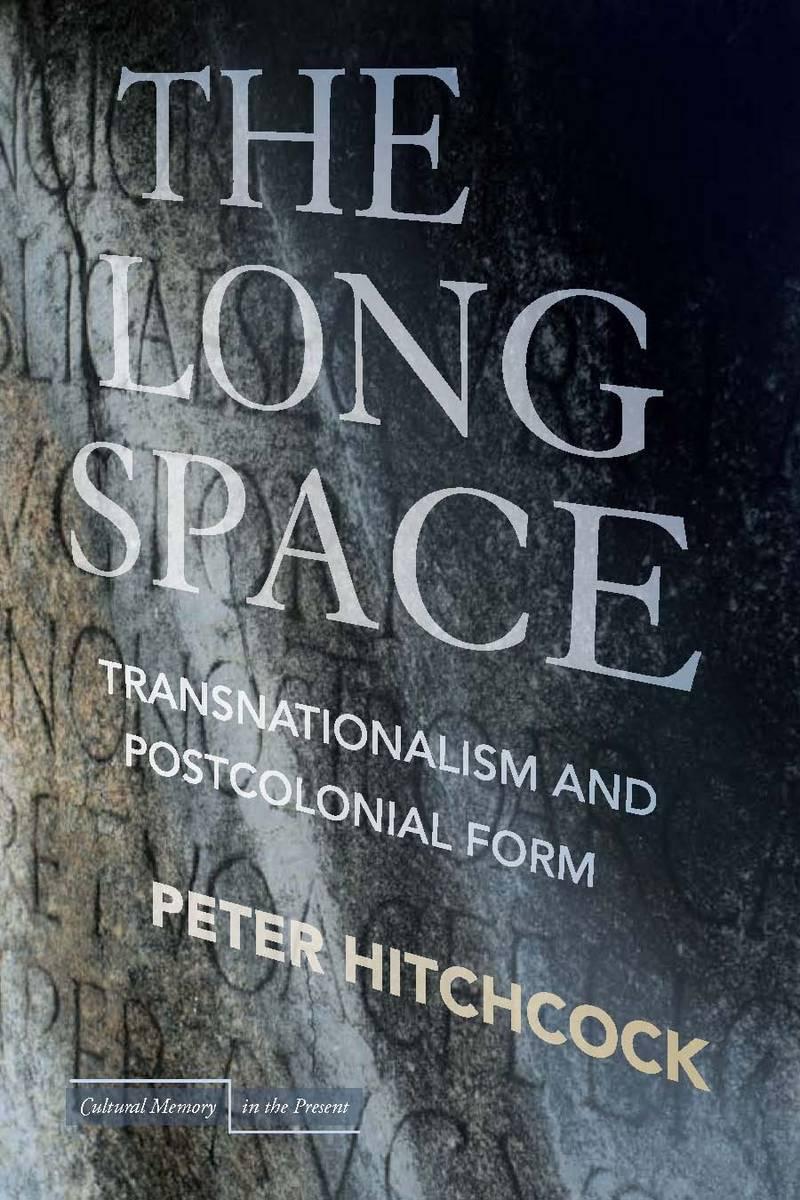
The resurgence of "world literature" as a category of study seems to coincide with what we understand as globalization, but how does postcolonial writing fit into this picture? Beyond the content of this novel or that, what elements of postcolonial fiction might challenge the assumption that its main aim is to circulate native information globally? The Long Space provides a fresh look at the importance of postcolonial writing by examining how it articulates history and place both in content and form. Not only does it offer a new theoretical model for understanding decolonization's impact on duration in writing, but through a series of case studies of Guyanese, Somali, Indonesian, and Algerian writers, it urges a more protracted engagement with time and space in postcolonial narrative. Although each writer—Wilson Harris, Nuruddin Farah, Pramoedya Ananta Toer, and Assia Djebar—explores a unique understanding of postcoloniality, each also makes a more general assertion about the difference of time and space in decolonization. Taken together, they herald a transnationalism beyond the contaminated coordinates of globalization as currently construed.
Pay easily by card, Klarna, Apple Pay or Google Pay. Not happy? You always have a 14-day money-back guarantee. Read more in our terms. If you have any questions, email us at hello@memmo.org.
Memmo makes studying easier – wherever you are in the world. We bring your course books and smart study tools together in one place: summaries, quizzes, podcasts and flashcards. Plus Ted, your study buddy who answers anything you wonder. Over 50,000 students already study here – built to help you learn faster and stress less.