
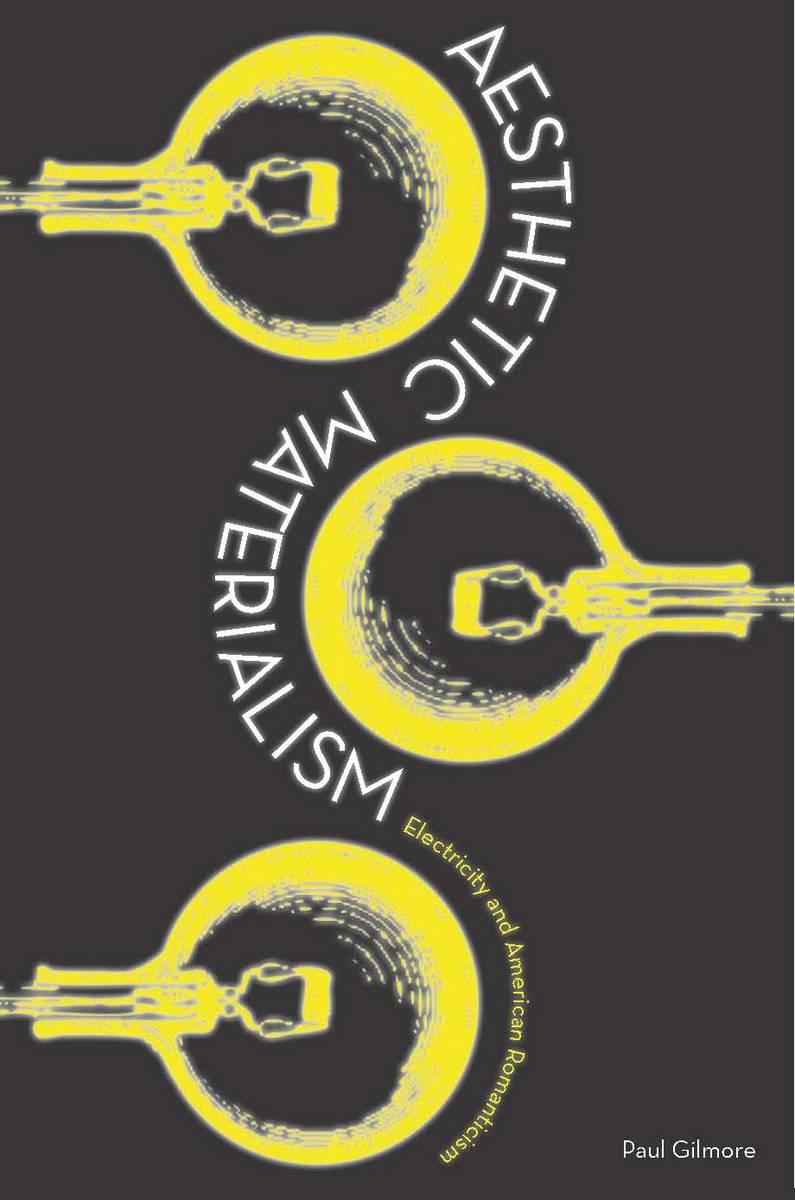
Aesthetic Materialism: Electricity and American Romanticism focuses on American romantic writers' attempts to theorize aesthetic experience through the language of electricity. In response to scientific and technological developments, most notably the telegraph, eighteenth- and nineteenth-century electrical imagery reflected the mysterious workings of the physical mind as well as the uncertain, sometimes shocking connections between individuals. Writers such as Whitman, Melville, and Douglass drew on images of electricity and telegraphy to describe literature both as the product of specific economic and social conditions and as a means of transcending the individual determined by such conditions. Aesthetic Materialism moves between historical and cultural analysis and close textual reading, challenging readers to see American literature as at once formal and historical and as a product of both aesthetic and material experience.
Pay easily by card, Klarna, Apple Pay or Google Pay. Not happy? You always have a 14-day money-back guarantee. Read more in our terms. If you have any questions, email us at hello@memmo.org.
Memmo makes studying easier – wherever you are in the world. We bring your course books and smart study tools together in one place: summaries, quizzes, podcasts and flashcards. Plus Ted, your study buddy who answers anything you wonder. Over 50,000 students already study here – built to help you learn faster and stress less.