
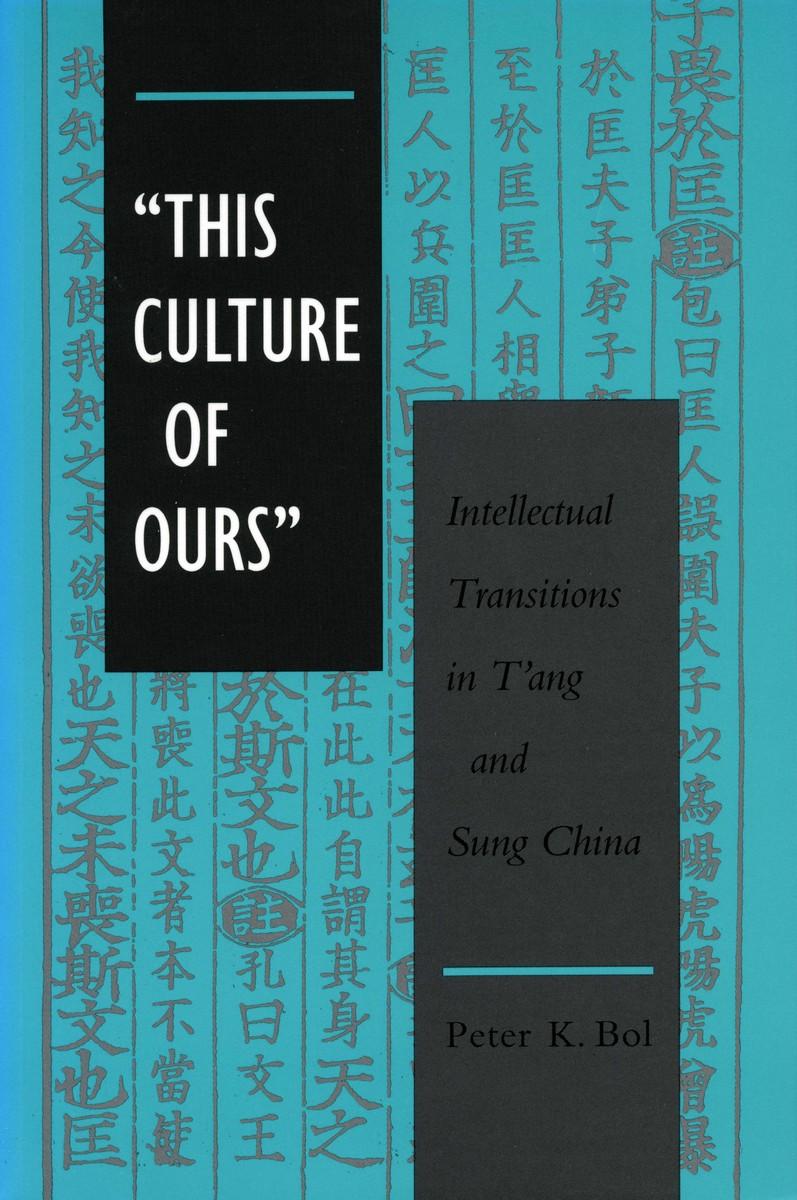
This book traces the shared culture of the Chinese elite from the seventh to the twelfth centuries. The early T'ang definition of 'This Culture of Ours' combined literary and scholarly traditions from the previous five centuries. The late Sung Neo-Confucian movement challenged that definition. The author argues that the Tang-Sung transition is best understood as a transition from a literary view of culture - in which literary accomplishment and mastery of traditional forms were regarded as essential - to the ethical orientation of Neo-Confucianism, in which the cultivation of one's innate moral ability was regarded as the goal of learning. The author shows that this transformation paralleled the collapse of the T'ang order and the restoration of a centralized empire under the Sung, underscoring the connection between elite formation and political institutions.
Pay easily by card, Klarna, Apple Pay or Google Pay. Not happy? You always have a 14-day money-back guarantee. Read more in our terms. If you have any questions, email us at hello@memmo.org.
Memmo makes studying easier – wherever you are in the world. We bring your course books and smart study tools together in one place: summaries, quizzes, podcasts and flashcards. Plus Ted, your study buddy who answers anything you wonder. Over 50,000 students already study here – built to help you learn faster and stress less.