
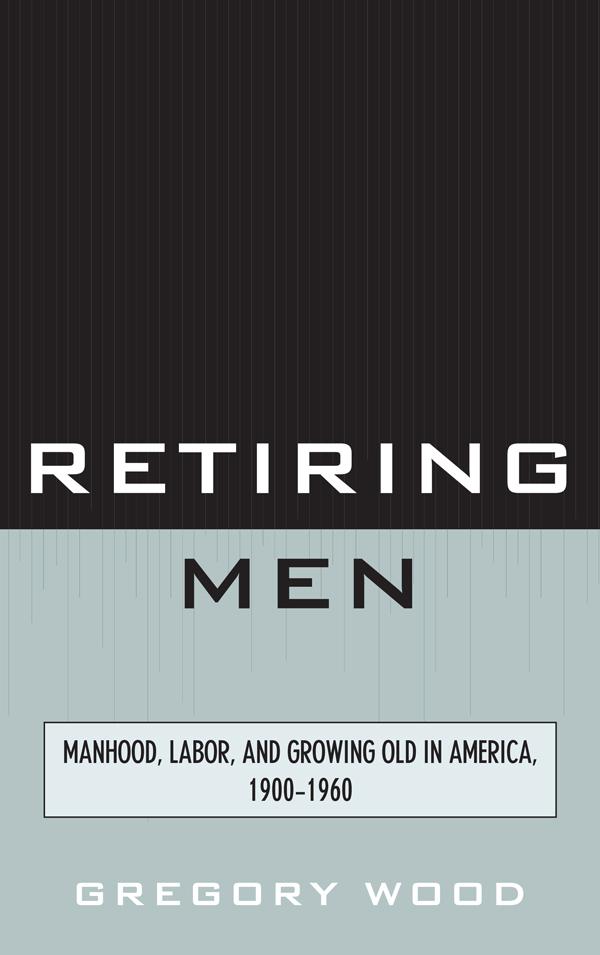
As life spans expanded dramatically in the United States after 1900, and employers increasingly demanded the speed and stamina of youth in the workplace, men struggled to sustain identities as workers, breadwinners, and patriarchs—the core ideals of twentieth-century masculinity. Longer life threatened manhood as men confronted age discrimination at work, mandatory retirement, and fixed incomes as recipients of Social Security and workplace pensions. They struggled to somehow sustain manliness in retirement, a new phase of life supposedly defined by the absence of labor. Ironically, retiring men pursued ways to stay “productive”: retirees created new daily routines of golf and shuffleboard games, tinkered with tools in garages, attended social club meetings, armed themselves for hunting and fishing excursions, and threw themselves into yard work. Others looked for new jobs or business ventures. Only unending activity could help to ensure that the “golden years” would be good years for older men of the twentieth century.
Pages: 274
Category: Kultur-, Genus- & Postkoloniala studier
e-ISBN: 9780761856801
Shipping weight: 1.2 kg
Ships in: 1-2 days
Pay easily by card, Klarna, Apple Pay or Google Pay. Not happy? You always have a 14-day money-back guarantee. Read more in our terms. If you have any questions, email us at hello@memmo.org.
Memmo makes studying easier – wherever you are in the world. We bring your course books and smart study tools together in one place: summaries, quizzes, podcasts and flashcards. Plus Ted, your study buddy who answers anything you wonder. Over 50,000 students already study here – built to help you learn faster and stress less.