
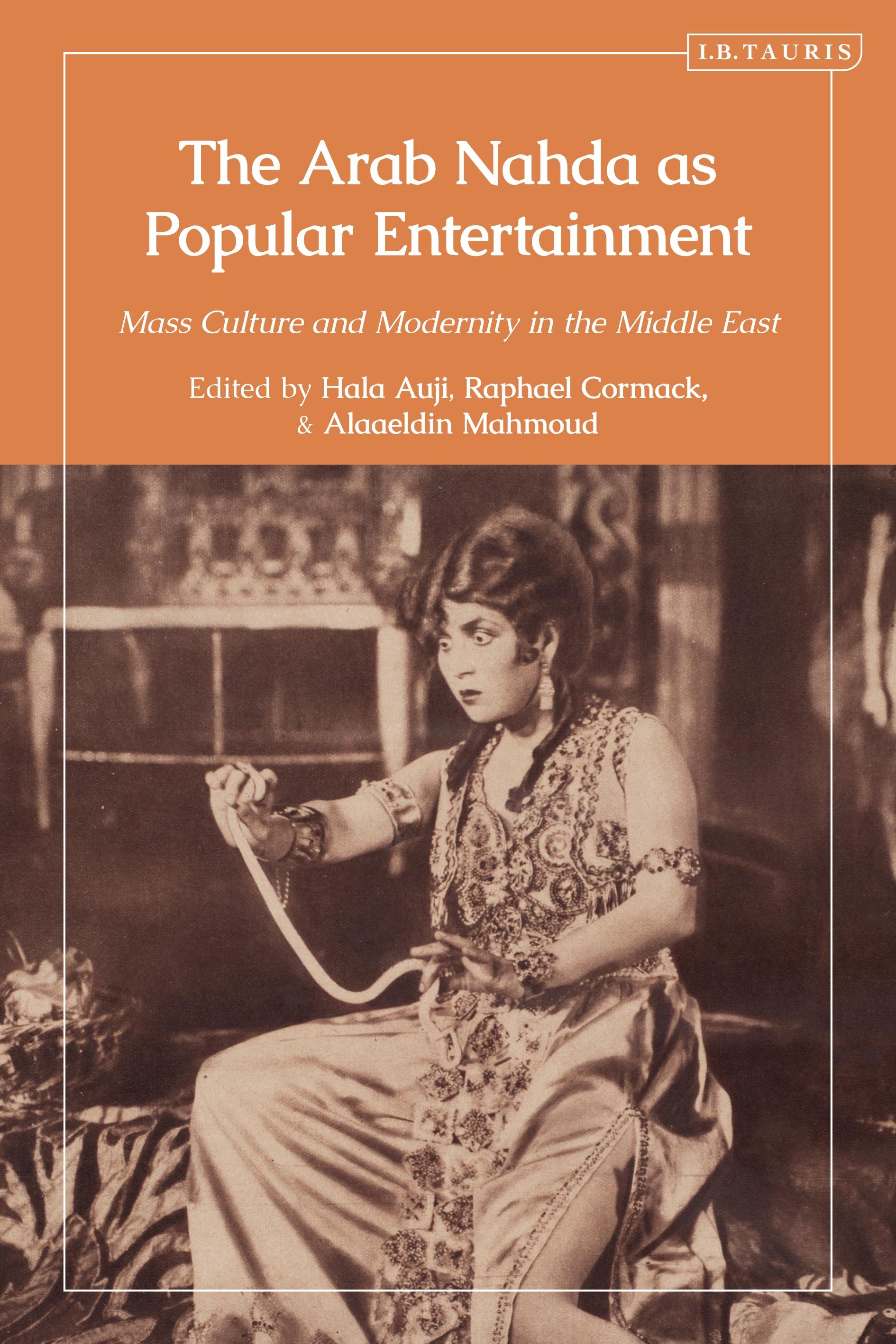
What was popular entertainment like for everyday Arab societies in Middle Eastern cities during the long nineteenth century? In what ways did café culture, theatre, illustrated periodicals, cinema, cabarets, and festivals serve as key forms of popular entertainment for Arabic-speaking audiences, many of whom were uneducated and striving to contend with modernity's anxiety-inducing realities? Studies on the 19th to mid-20th century's transformative cultural movement known as the Arab nahda (renaissance), have largely focussed on concerns with nationalism, secularism, and language, often told from the perspective of privileged groups. Highlighting overlooked aspects of this movement, this book shifts the focus away from elite circles to quotidian audiences. Its ten contributions range in scope, from music and visual media to theatre and popular fiction. Paying special attention to networks of movement and exchange across Arab societies in Lebanon, Syria, Egypt, Iraq, and Morocco, this book heeds the call for 'translocal/transnational' cultural histories, while contributing to timely global studies on gender, sexuality, and morality. Focusing on the often-marginalized frequenters of cafés, artist studios, cinemas, nightclubs, and the streets, it expands the remit of who participated in the nahda and how they did.
Pages: 256
Category: Kultur-, Genus- & Postkoloniala studier
e-ISBN: 9780755647422
Shipping weight: 1.2 kg
Ships in: 1-2 days
Pay easily by card, Klarna, Apple Pay or Google Pay. Not happy? You always have a 14-day money-back guarantee. Read more in our terms. If you have any questions, email us at hello@memmo.org.
Memmo makes studying easier – wherever you are in the world. We bring your course books and smart study tools together in one place: summaries, quizzes, podcasts and flashcards. Plus Ted, your study buddy who answers anything you wonder. Over 50,000 students already study here – built to help you learn faster and stress less.